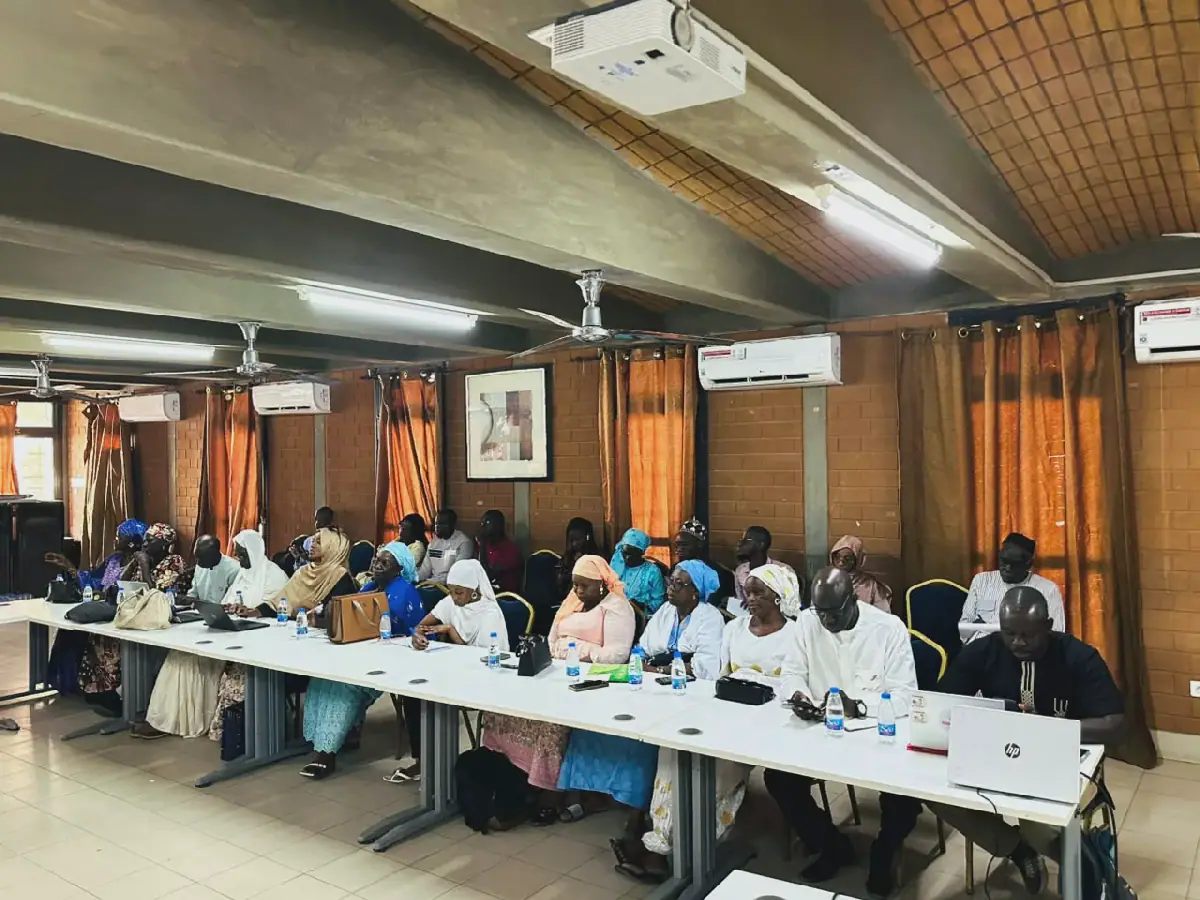
The Saint-Louis departmental nutrition development committee held an evaluation meeting to assess six months of nutrition interventions and strengthen coordination among stakeholders. The meeting, presided over by Deputy Prefect Abdou Khadre Dieylani Ba, aimed to improve the care of vulnerable populations and integrate nutrition into territorial development policies. The committee discussed the importance of collective mobilization to address persistent challenges in preventing malnutrition and ensuring equitable access to essential services.
Deputy Prefect Abdou Khadre Dieylani Ba emphasized that nutrition is a major public health and human development issue, crucial for children's growth, maternal health, learning capacities, and population productivity. Despite efforts made, challenges persist in preventing malnutrition, caring for vulnerable individuals, and ensuring equitable access to essential services. Ba stressed the need for collective mobilization and better coordination of interventions to address these challenges.
The meeting examined the achievements of nutrition programs, constraints encountered, and prospects for improvement. Discussions focused on the 2024-2028 multisectoral nutrition strategic plan, identifying concrete contributions from various sectors. Representatives from Helen Keller International, NGO AGORA, the Dëkkandoo/Plan consortium, and Eau Vie Environnement shared their results, difficulties, and perspectives.
The Deputy Prefect invited participants to formulate recommendations to avoid duplication, better cover unmet needs, and strengthen multisectoral coordination. He also emphasized the importance of consolidating territorial consultation frameworks to promote intervention complementarity and ownership by local authorities. The goal is to integrate nutrition into territorial development policies and plans.
The Saint-Louis departmental nutrition development committee seeks to strengthen concertation among stakeholders to improve intervention effectiveness and respond to population needs. The region's authorities and partners acknowledge that nutrition remains a significant public health and human development challenge. Strengthening coordination and collective mobilization are crucial to addressing these challenges.
Key stakeholders, including local authorities, technical services, community organizations, and development partners, attended the meeting. They discussed ways to enhance coordination, address persistent challenges, and improve the care of vulnerable populations. The committee's efforts aim to promote a culture of collaboration and coordination among stakeholders.
The evaluation meeting and strengthened coordination among stakeholders are expected to improve nutrition interventions in the Saint-Louis region. The region's authorities and partners reaffirm their commitment to addressing nutrition challenges and promoting sustainable development. By working together, they aim to make significant progress in improving the health and well-being of the population.
Key points
- Strengthening coordination among stakeholders to improve nutrition intervention effectiveness
- Integrating nutrition into territorial development policies and plans
- Collective mobilization to address persistent challenges in preventing malnutrition