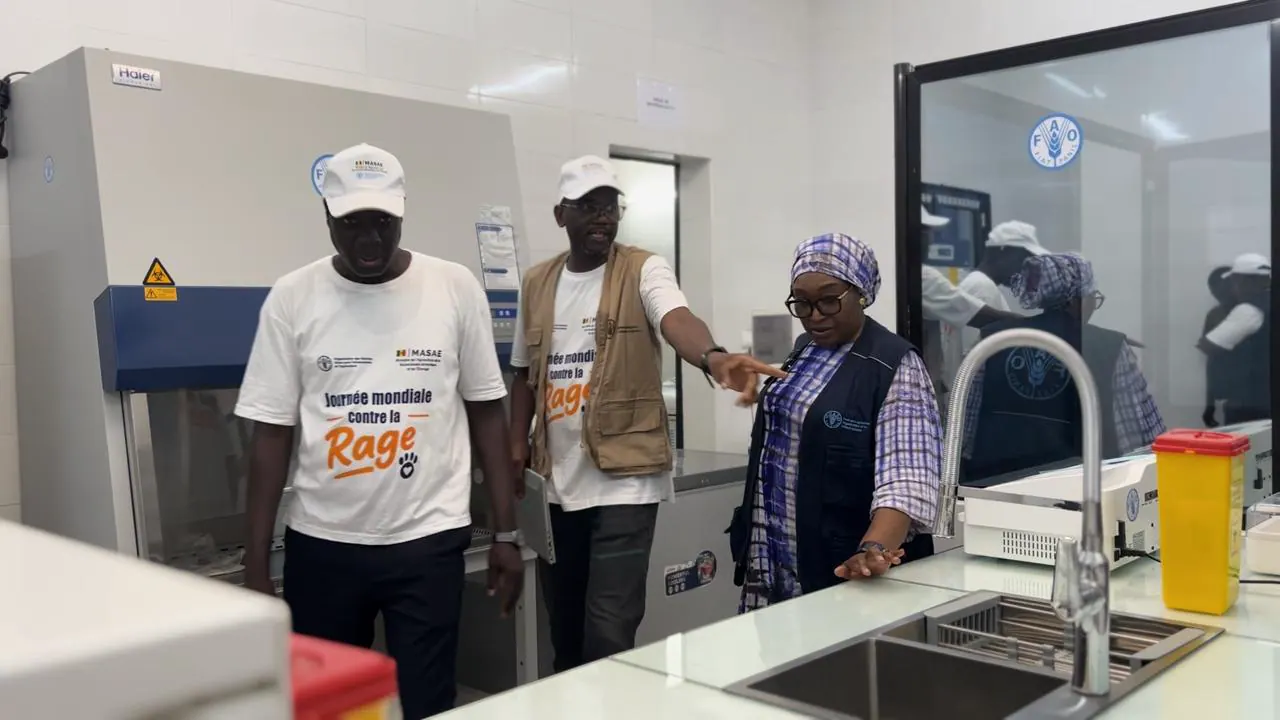
In Saint-Louis, Senegal, a regional veterinary laboratory is nearing completion and is expected to significantly enhance the country's animal health surveillance and diagnostic capabilities. The laboratory was inspected by authorities, including the Food and Agriculture Organization (FAO) of the United Nations, as part of the celebrations for World Rabies Day. The infrastructure is in its final phase and will help bring veterinary diagnosis closer to production areas.
The laboratory's progress was assessed by a delegation comprising representatives from the livestock services and the FAO. According to Dr. Adjaratou Diokou Ndiaye, Secretary Permanent of the High Council for Health Security One Health, the construction has made significant progress. She emphasized the importance of this laboratory in strengthening the multisectoral alert and prevention system. Once operational, it is expected to reduce reliance on central diagnostic facilities in Dakar.
The laboratory's equipment has already been installed, with only minor finishing works remaining, including the installation of doors and staff toilets. The total cost of equipment is estimated at $300,000, while the construction costs have reached approximately $150,000. Similar facilities are being finalized in Thiès and Kaolack, with the goal of reducing transportation delays and biosecurity risks associated with sending samples to Dakar.
The regional laboratory will serve as a relay for the National Veterinary Laboratory in Dakar, according to Dr. Alpha Amadou Diallo of the FAO in Senegal. These regional laboratories are designed to provide veterinary control and analysis services. The FAO emphasizes that the laboratory's sustainability will depend on recruiting and training dedicated personnel, as well as ensuring the availability of reagents and national funding for long-term operations.
The laboratory is expected to play a critical role in controlling and preventing animal diseases in the northern region of Senegal. By reducing transportation times and associated risks, the laboratory will enable faster diagnosis and response to animal health threats. This, in turn, will help mitigate the impact of diseases on livestock and human health.
World Rabies Day was also marked in Saint-Louis, with stakeholders calling for enhanced prevention measures. The event highlighted the importance of a multisectoral approach to animal health, involving human and animal health services, as well as other stakeholders. The regional laboratory is a key component of this effort, enabling more effective disease surveillance and control.
The laboratory's completion is a significant milestone in Senegal's efforts to strengthen its animal health infrastructure. With the support of international partners, including the FAO, the country is working to enhance its capacity for disease diagnosis and control. The laboratory is expected to be operational soon, providing critical services to the livestock sector and contributing to improved animal and human health.
Key points
- The laboratory's equipment cost is estimated at $300,000.
- The laboratory will serve as a relay for the National Veterinary Laboratory in Dakar.
- The laboratory's sustainability depends on recruiting dedicated personnel and securing national funding.