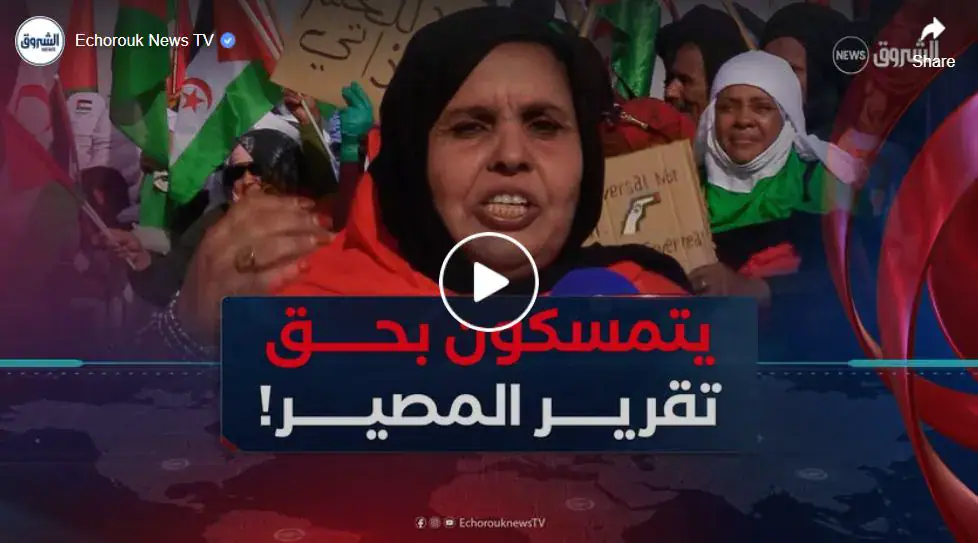
The Sahrawi people have reiterated their stance on the Western Sahara conflict, rejecting the UN approach and reaffirming their right to self-determination. This position was highlighted in a recent development, as the Sahrawi Street voiced its dissatisfaction with the current trajectory of the conflict resolution process. The Sahrawi people's determination to exercise their right to self-determination remains unwavering.
The UN has been involved in efforts to resolve the Western Sahara conflict for decades, with a focus on finding a mutually acceptable solution. However, the Sahrawi people have expressed frustration with the pace and direction of these efforts. They argue that the UN approach has not adequately addressed their core demands, including the right to self-determination and independence.
The Western Sahara conflict has a long and complex history, dating back to the colonial era. The Sahrawi people have been seeking recognition of their rights and self-determination since the 1970s. The conflict has led to significant humanitarian challenges, displacement, and human rights concerns. The Sahrawi people's plight has garnered international attention, with many advocating for a peaceful and just resolution.
The Sahrawi government's position on the conflict is clear: they seek recognition as a sovereign state and an end to the occupation. The Sahrawi people have called for a referendum to determine their future, which would allow them to exercise their right to self-determination. This approach has received support from various international actors, who emphasize the importance of respecting the Sahrawi people's wishes.
The international community has a crucial role to play in resolving the Western Sahara conflict. The UN Security Council has repeatedly expressed its commitment to finding a peaceful solution, but progress has been slow. The Sahrawi people remain hopeful that the international community will take concrete steps to support their right to self-determination and independence.
The rejection of the UN approach by the Sahrawi people has significant implications for the conflict resolution process. It underscores the need for a renewed focus on the Sahrawi people's core demands and a more inclusive approach to negotiations. The Sahrawi government's commitment to peaceful resistance and diplomacy remains unwavering, as they continue to advocate for their rights.
The Sahrawi people's struggle for self-determination and independence continues, with no clear end in sight. The international community must remain engaged and committed to supporting a peaceful and just resolution to the conflict. The Sahrawi people's determination to exercise their right to self-determination will remain a central aspect of the conflict, as they seek a brighter future for themselves and future generations.
Key points
- The Sahrawi people reject the UN approach to resolving the Western Sahara conflict.
- The Sahrawi people insist on their right to self-determination and independence.
- The international community has a crucial role to play in resolving the Western Sahara conflict.