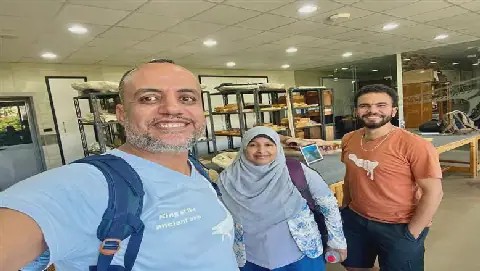
Safaricom Plc is taking its Home Internet teams into residential estates to deepen fibre adoption in areas already covered by its network. The company recently held a Home Internet Clinic at Avenue Park Phase 1 in Nairobi’s Embakasi area, giving residents direct access to Safaricom technicians and Home Internet specialists. This clinic allowed residents to discuss connectivity issues and available products with experts.
About 70% of Avenue Park is connected to Safaricom, according to Hakim Ali of the company’s Home Segments team. The estate-based engagements give the operator an opportunity to reach potential customers within its existing network footprint while also engaging current subscribers. These clinics bridge the gap between Safaricom and its customers, allowing for firsthand responses to concerns.
Safaricom’s fixed connectivity business has expanded as demand for broadband increases among Kenyan households. Fibre-to-the-Home customers rose 35% year-on-year to 407,080 in the year ended March. Homes passed increased 16.2% to 807,020, according to the company’s FY25/26 results. This growth points to a growing opportunity for Safaricom to convert more households into subscribers.
The operator has increased speeds across its Home Fibre plans by as much as 2.5 times without additional charges. Households use broadband for work, education, entertainment, and multiple connected devices. This upgrade enhances the user experience and supports various online activities. Safaricom’s efforts focus on improving service quality and customer satisfaction.
The estate clinics also allow Safaricom to introduce customers to products beyond fixed fibre. Avenue Park resident Paul Wanyoke, who has used Safaricom Home Fibre for about 18 months, expressed interest in the company’s portable router. He travels frequently and values the convenience of having internet without buying bundles.
Safaricom’s push into residential communities comes as competition in Kenya’s fixed broadband market focuses on customer acquisition and retention. Engaging households directly within estates provides another route to grow its fibre business as more homes come within reach of its network. This strategy complements Safaricom’s existing efforts to expand its fibre footprint.
By expanding its services and engaging with customers directly, Safaricom aims to strengthen its position in the Kenyan broadband market. The company’s focus on customer needs and product offerings will likely play a crucial role in its future growth. As the demand for broadband continues to rise, Safaricom is well-positioned to capitalize on this trend.
Key points
- Safaricom’s fibre customers rise 35% to 407,080 in the year ended March.
- The company increases speeds across its Home Fibre plans by as much as 2.5 times without additional charges.
- Safaricom engages households directly within estates to grow its fibre business.