The Southern African Development Community's (SADC) efforts to establish a regional parliament have taken a significant step forward. In November 2026, SADC Parliamentary Forum leaders continued work on the protocol required to transform the existing forum into a regional parliament. The development is expected to create a stronger institutional channel for elected representatives to contribute to decisions affecting the region.
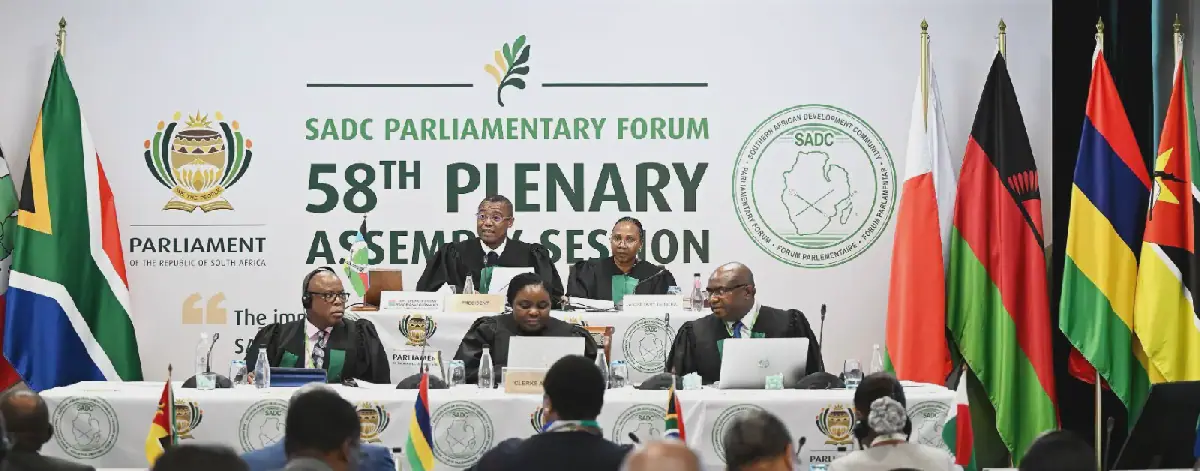
The SADC Parliamentary Forum currently provides a platform for national legislators to discuss regional issues and make recommendations. However, its transformation into a regional parliament is intended to establish a more formal institutional role for elected representatives in regional affairs. Zimbabwean Speaker of Parliament Jacob Mudenda urged the Strategic Lobby Team to accelerate the remaining approval process at the close of the Forum's 58th Plenary Assembly Session in Eswatini.
According to Mudenda, comments from 13 member states have been incorporated into the draft protocol. The document is now before ministers responsible for justice and attorneys-general before it proceeds to the SADC Council of Ministers and, ultimately, the SADC Summit for consideration. The proposed institution would represent a significant development in the region's integration agenda.
The proposed parliament's effectiveness will depend on the authority it receives under the final protocol, the extent of its relationship with national legislatures, and the willingness of member states to respect its institutional role. A regional parliamentary structure could provide a platform for legislators to examine shared priorities, encourage policy coordination, and strengthen public accountability across Southern Africa.
The significance of the proposal extends beyond the creation of another regional institution. Across Southern Africa, decisions on trade, food security, migration, public health, climate resilience, and infrastructure increasingly involve cooperation between governments. A regional parliament could contribute to a more predictable policy environment for businesses by providing a forum for debate on barriers affecting trade, investment, and the movement of people and goods.
The process, however, is not yet complete. Following adoption of the protocol, it will still require ratification by at least 11 of SADC's 16 member states before it can enter into force. The proposed 2027 target therefore depends on the completion of the necessary political and legal procedures. The inclusion of comments from 13 member states indicates that the drafting process has involved broad regional engagement.
For Southern Africa, the opportunity is to build an institution that makes regional integration more transparent, participatory, and responsive. A regional parliament will not resolve every challenge facing the community, but it could strengthen the structures through which member states work towards shared economic and social objectives. The remaining approval and ratification stages will test the political commitment behind the initiative.
Key points
- SADC parliamentary forum leaders have advanced the protocol to transform the existing forum into a regional parliament.
- The proposed parliament's effectiveness will depend on its authority, relationship with national legislatures, and member states' willingness to respect its role.
- The regional parliament could provide a platform for legislators to examine shared priorities and strengthen public accountability across Southern Africa.
Reporting sources
- SADC Regional Parliament: A New Step Towards Stronger African Integration · African Leadership Magazine