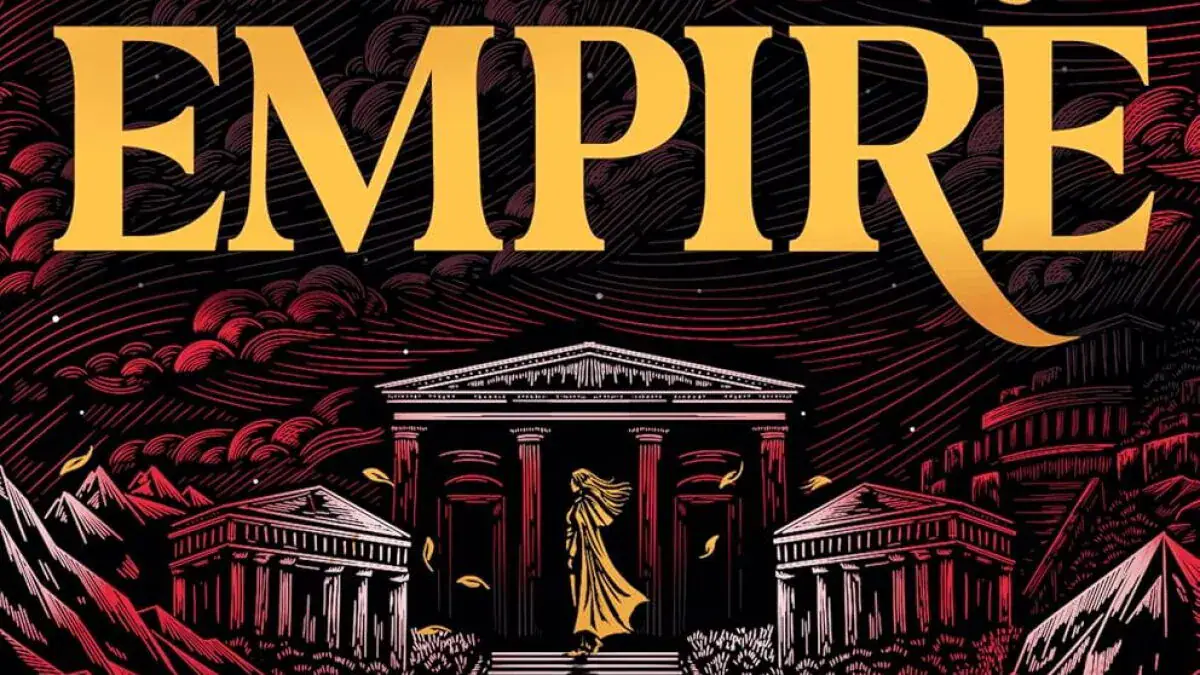
Sabaa Tahir's latest novel, 'Empire', is a thought-provoking addition to her Heir duology, which explores themes of childhood experiences, violence, and accountability. The story follows S'rsha, an exiled tracker, as she hunts down a child-heart-devouring monster in the Martial Empire. Set in the same universe as Tahir's Ember in Ashes series, 'Empire' picks up where the last book left off, with S'rsha attached to the very monster she sought to destroy.
The novel highlights the pain of children who lose something or are lost to violence, drawing parallels with real-world issues. The mass killing of the children of the Jinn, magical beings who live for millennia, is a historical tragedy that lingers in the story. This event is treated as a painful reminder of the past, but its impact is still felt in the present. The characters in 'Empire' seem rushed to move past it, but ultimately, they are forced to confront the consequences of their actions.
The death of young Ruh at the beginning of the first book, Heir, serves as a direct call to action in 'Empire'. Ruh's spirit visits several characters, urging them to acknowledge the violence and their role in perpetuating it. Through Ruh's character, Tahir raises questions about accountability and the responsibility of adults in shaping the world children grow up in. This theme is particularly relevant in today's world, where violence against children continues to be a pressing issue.
According to a report, more than 64,000 children have been killed or injured in Gaza since violence began in October 2023. This statistic serves as a stark reminder of the devastating impact of violence on children. Tahir's novel encourages readers to reflect on their own role in perpetuating a society that allows such violence to occur. By exploring the complexities of violence and accountability, 'Empire' offers a nuanced and thought-provoking portrayal of these issues.
The character of Aiz, who tricked Ruh into believing she was his friend, serves as a symbol of the destructive nature of violence. As she loses sight of her former self, Aiz becomes a destructive leader willing to eradicate anyone and anything in the name of protecting her people. Her relationship with her former best friend, Cero, is also explored, as he grapples with his own role in the violence Aiz has spread.
Cero's character serves as a powerful example of the complexities of complicity in violence. Despite not directly participating in the violence, Cero's inventions and inactions enabled Aiz's destructive actions. His attempts to make amends offer a glimmer of hope for redemption and accountability. Through Cero's story, Tahir highlights the importance of acknowledging one's role in perpetuating violence and taking steps to make things right.
Tahir's masterful storytelling and execution of the plot make 'Empire' a compelling read. The novel features a well-executed twist, similar to the one in the first book of the duology, Heir. Readers can expect a satisfying shock as the events of the novel finally coalesce. Overall, 'Empire' is a thought-provoking and engaging addition to the Heir duology, offering a nuanced exploration of violence, accountability, and the power of story.
Key points
- The novel 'Empire' explores themes of childhood experiences, violence, and accountability through the story of S'rsha and her battle against a child-heart-devouring monster.
- The mass killing of the children of the Jinn serves as a historical tragedy that lingers in the story, highlighting the pain of children who lose something or are lost to violence.
- The character of Ruh serves as a direct call to action, urging characters to acknowledge the violence and their role in perpetuating it.