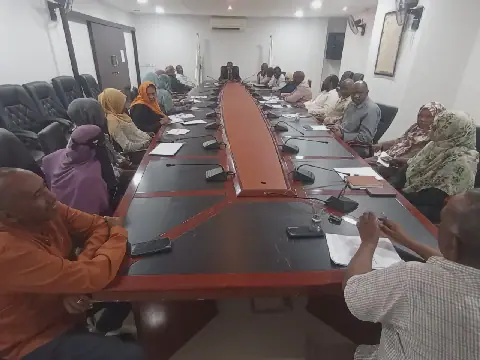
Rwandan writers have expressed disagreement with the notion that their compatriots are not fond of reading. Instead, they argue that the scarcity of reading materials is a significant challenge. This was a topic of discussion at an event held on November 6, 2026, which celebrated outstanding writers. The writers emphasized that the limited availability of books, particularly those written in Kinyarwanda, is a major hurdle.
Nsanzabera Jean de Dieu, a poet and historian, stated that Rwandans do enjoy reading, but they lack materials that resonate with them. He noted that nearly 99.9% of books are written in foreign languages and philosophies, making it difficult for Rwandans to connect with them. Nsanzabera encouraged writers to create content that is relevant and accessible to their audience, using local languages and themes.
Nsanzabera suggested that writers should focus on creating works that are rooted in Rwandan culture and history. He cited examples of successful books that have been written in Kinyarwanda, such as "Gihanga" and "Ruganzu," which have been well-received by readers. By creating more content in Kinyarwanda, Nsanzabera believes that Rwandans will be more inclined to read and appreciate local literature.
Young writer Kabarari Valens attributed the lack of Kinyarwanda literature to a historical legacy of self-doubt and inferiority complex. He noted that many writers have been discouraged from writing in their native language, leading to a dearth of local content. Valens also highlighted the challenges of translating works from foreign languages into Kinyarwanda, citing his own experiences with translating a book from French.
The scarcity of books and reading materials in Rwanda is further exacerbated by the limited number of writers and libraries. Ambassador Robert Masozera, Chair of the National Library, recently reported that the number of writers and libraries is alarmingly low. He noted that many rural areas have only one library, which is often inaccessible to residents.
The National Culture Committee reports that there are currently only 70 community libraries in Rwanda, with a need for over 400. The committee is encouraging writers to create more content in Kinyarwanda and to make it available to the public. By increasing the availability of local literature, the committee hopes to promote a culture of reading and learning.
The writers' discussion highlights the need for a concerted effort to promote reading and literature in Rwanda. By creating more local content and increasing access to libraries and reading materials, Rwandans can develop a greater appreciation for reading and learning. The writers' initiative aims to address the historical and cultural challenges that have contributed to the scarcity of local literature.
Key points
- Rwandan writers are countering the notion that their people don't enjoy reading, citing a lack of available materials as a major obstacle.