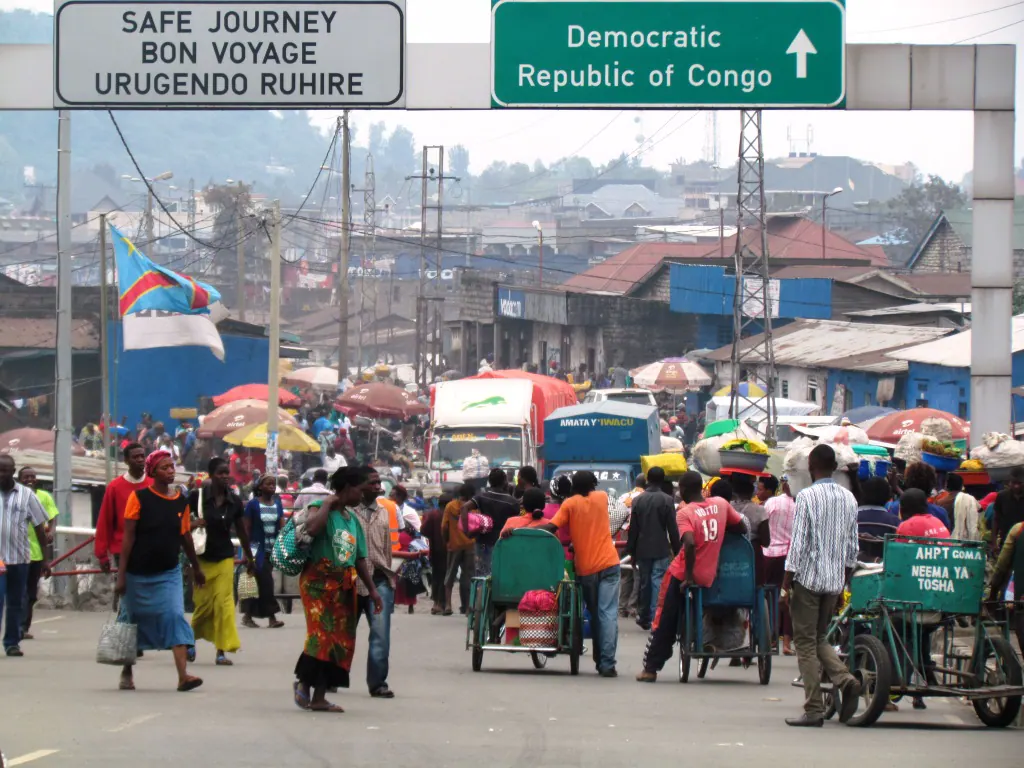
A recent study conducted by Réseau des Femmes in collaboration with the International Trade Centre (ITC) has shed light on the challenges faced by Rwandan women engaged in cross-border trade. The study, which surveyed over 400 women traders at various border points, including Rusizi I and II, Rubavu, Cyanika, and Rusumo, aimed to identify the obstacles hindering the growth of their businesses. The findings reveal that women traders face significant hurdles, including limited access to finance, high transportation costs, and lack of information.
According to the study, 77.9% of the women traders surveyed are small-scale traders, while 18% act as agents for other traders, and 4.1% operate independently. In terms of transportation, 42.2% of the traders use bicycles, 36.5% use motorcycles, and 21.3% use their legs. The study also found that 24% of the traders reported losses due to their goods, 18.4% cited high transportation costs, and 17.6% mentioned a lack of information as major challenges.
The study further revealed that between 73% and 81% of the women traders surveyed lack sufficient funds to invest in their businesses, while between 73% and 77% do not have any assets or collateral. Additionally, between 6% and 23% of the traders reported difficulties in accessing financial services from formal institutions. These findings highlight the need for targeted support to help women traders overcome these challenges and grow their businesses.
Ishimwe Nkindi Nadine, a representative of the Rwanda National Union of Women with Disabilities (UNABU), emphasized the importance of addressing these challenges. She noted that women traders require increased access to training, information, and financial resources to operate their businesses effectively. Nadine also stressed the need for stakeholders to work together to develop solutions tailored to the specific needs of women traders.
Senyabatera Jean Bosco, Director of Planning at the Chamber of Commerce and Industry of Rwanda (CCOAIB), highlighted the need for women traders to comply with regulations and tax laws. He emphasized that the government should continue to encourage women to formalize their businesses and fulfill their tax obligations. Bosco also recommended that women traders be facilitated access to credit and other financial resources to enable them to expand their businesses.
Kabanyana Jeanine, Secretary General of Réseau des Femmes, emphasized that the study's findings should serve as a foundation for developing targeted support programs for women traders. She stressed that stakeholders, including government agencies, private sector actors, and civil society organizations, should work together to address the challenges identified in the study. Jeanine also called on men to play a more active role in supporting women traders and addressing the challenges they face.
Réseau des Femmes has urged stakeholders to use the study's findings to design and implement programs aimed at addressing the challenges faced by women traders. The organization emphasized that women traders play a critical role in Rwanda's economy and that supporting them is essential for promoting economic growth and development. Key stakeholders are expected to convene to discuss the study's findings and develop strategies for supporting women traders.
Key points
- Limited access to finance remains a significant challenge for women traders in Rwanda.
- Women traders in Rwanda face high transportation costs and lack of information, hindering the growth of their businesses.
- Stakeholders are urged to work together to develop targeted support programs for women traders, including access to finance, training, and information.