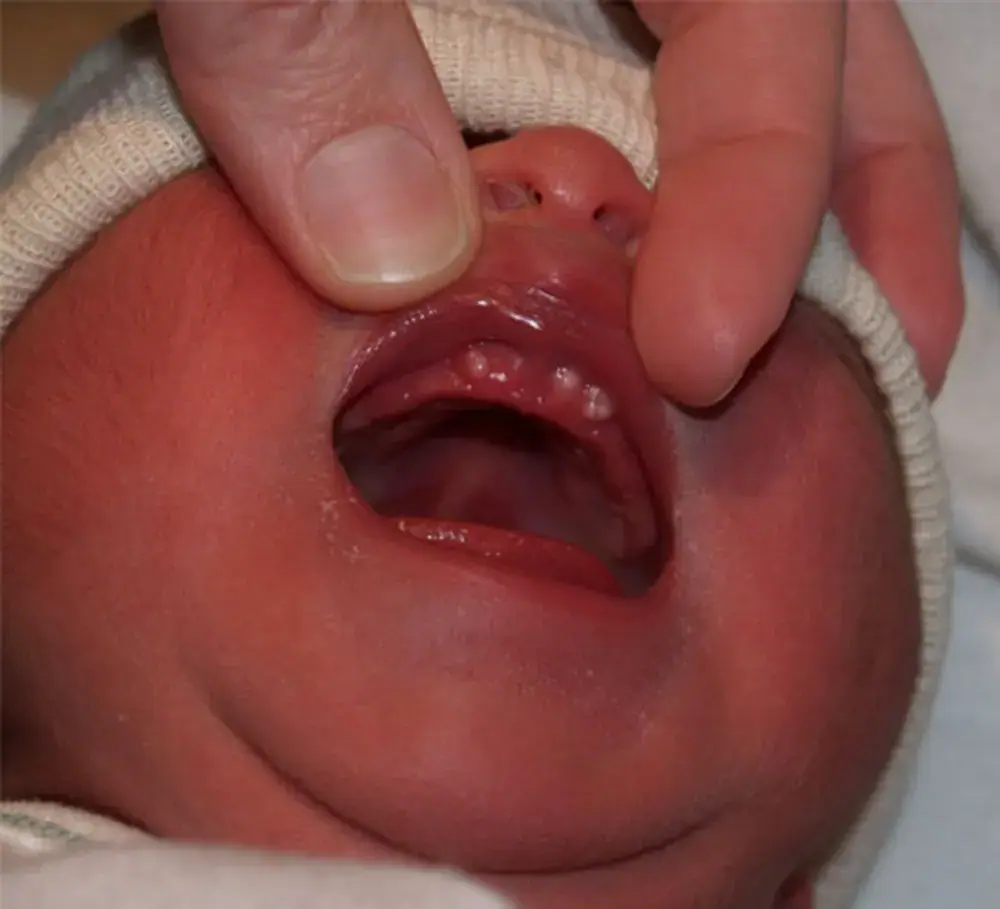
In Rwanda, some parents believe that infants can be afflicted with a condition known as "ibyinyo," characterized by symptoms such as fever, diarrhea, and vomiting. This perceived condition often leads parents to take their infants to traditional practitioners, who then proceed to remove the infant's teeth. However, medical professionals argue that this condition is not a recognized medical condition and that the symptoms are, in fact, related to the natural teething process in infants.
According to Dr. Bitwayiki Ngendahimana Léandre, a dentist with his own clinic, the symptoms associated with "ibyinyo" are, in reality, indicative of the onset of teething in infants under five months. During this period, infants often experience fever, diarrhea, and vomiting due to the emergence of their teeth. Dr. Bitwayiki emphasizes that teething is a natural process and not a disease, and that parents should not be alarmed by these symptoms.
Dr. Bitwayiki further explains that the primary teeth, also known as baby teeth, begin to emerge when an infant is around five months old. These teeth play a crucial role in shaping the child's face and jaw. However, some parents, misinterpreting the symptoms of teething, often resort to traditional practitioners who remove the infant's teeth. This practice, Dr. Bitwayiki warns, can have severe consequences for the child's oral health.
The removal of infant teeth can lead to various complications, including infection, damage to the surrounding gum tissue, and even tooth decay. Moreover, the procedure is often performed using unsterilized equipment, which increases the risk of infection. Dr. Bitwayiki advises parents to seek medical attention from qualified dentists if their child exhibits symptoms such as fever, diarrhea, or vomiting, rather than resorting to traditional practitioners.
A study conducted by the University of Rwanda and Harvard School of Dental Medicine in 2020 found that the practice of removing infant teeth can have long-lasting and detrimental effects on a child's oral health. The study highlighted the case of a 10-year-old girl who had undergone tooth removal as an infant and subsequently experienced severe dental problems, including misshapen teeth and difficulty speaking.
The medical community in Rwanda is urging parents to be aware of the risks associated with premature tooth removal and to seek medical attention from qualified professionals. Dr. Bitwayiki emphasizes that parents should prioritize their child's oral health and seek advice from dentists if they have any concerns about their child's teeth or overall health.
In conclusion, the Rwandan medical community is working to raise awareness about the dangers of premature tooth removal in infants. By educating parents about the natural teething process and the potential risks associated with traditional practices, medical professionals hope to prevent unnecessary harm to children's oral health.
Key points
- Removing infant teeth can lead to infection, damage to surrounding gum tissue, and tooth decay.