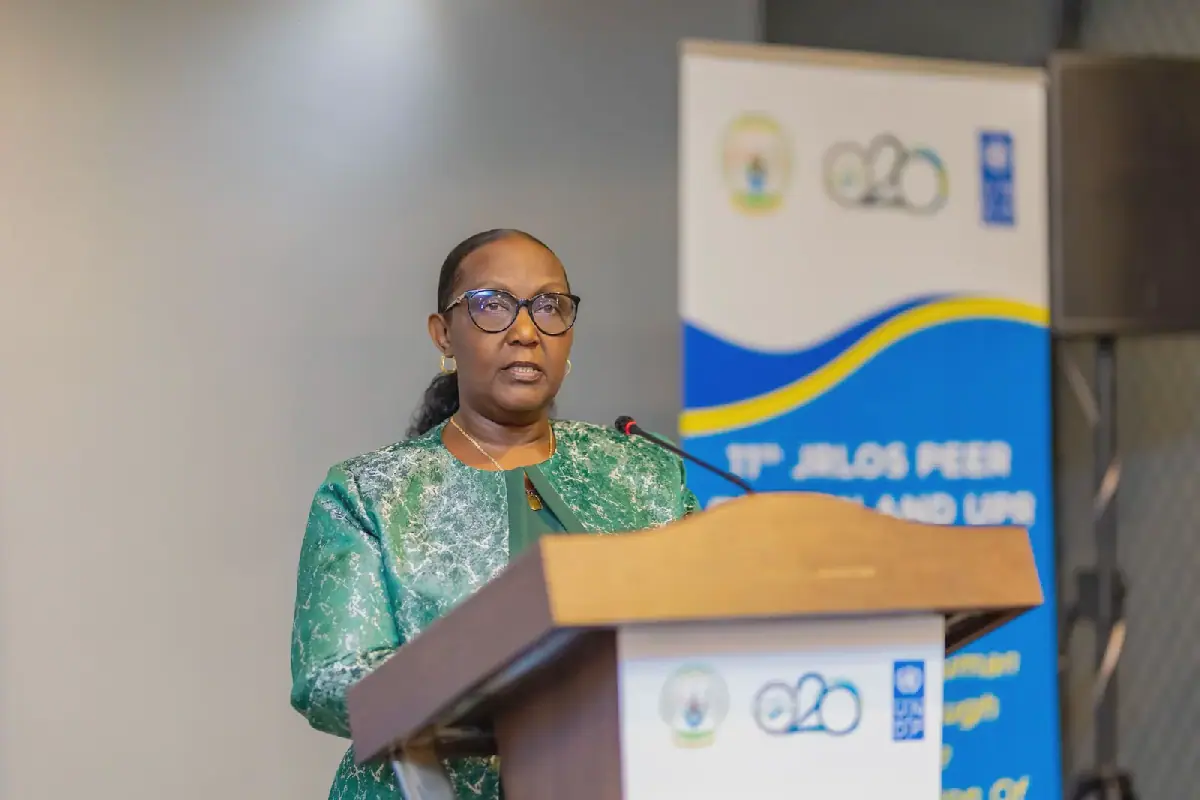
On November 26, 2026, Rt. Hon. Mukantaganzwa Domitilla, President of the Supreme Court of Rwanda, emphasized the need for justice sector institutions to prioritize the protection of citizens' rights. Speaking at the 11th Joint Review of the Justice, Reconciliation, Law and Order Sector (JRLOS) and the Universal Periodic Review (UPR) in Nyagatare, Mukantaganzwa urged stakeholders to build on achievements, address existing challenges, and ensure sustainable progress. The two-day meeting aimed to assess the sector's performance and prepare for the national human rights review.
Mukantaganzwa highlighted the importance of consolidating gains, addressing visible challenges, and ensuring that reforms yield sustainable results. She stressed that progress should not be measured solely by visible changes but also by the sector's capacity to prevent abuses, protect human rights, resolve disputes, and promote accountability. The justice sector, she said, must prioritize the protection of citizens' rights and ensure that those responsible for abuses are held accountable.
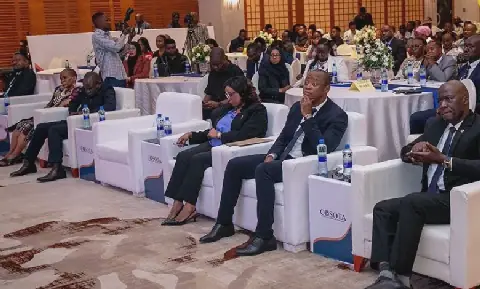
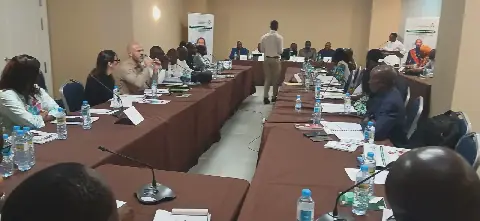
The JRLOS and UPR meetings brought together stakeholders from the justice sector, including government officials and partners. Participants reviewed progress made in implementing the Second National Strategy for Transformation (NST2) and the resolutions of the 10th JRLOS meeting. They also shared experiences and committed to accelerating the implementation of human rights recommendations. The review aimed to identify areas for improvement and strengthen the sector's capacity to protect human rights.
Mukantaganzwa emphasized the need for the justice sector to provide support to victims of abuse, including protection for witnesses and assistance for perpetrators to reintegrate into society. She called on stakeholders to ensure that the sector's efforts are aligned with the needs of citizens and that progress is sustainable. The sector, she said, must be responsive to the needs of the people and prioritize their rights.
Participants at the meeting acknowledged the progress made by the justice sector in implementing its mandates, as outlined in the NST2. They also recognized the need for the sector to adapt to the evolving needs of society and to prioritize the protection of human rights. The review highlighted the importance of collaboration and coordination among stakeholders to ensure effective implementation of human rights recommendations.
The 11th JRLOS Peer Review and UPR meeting aimed to promote a culture of human rights and accountability within the justice sector. Participants committed to strengthening their collaboration and coordination to ensure that the sector's efforts are aligned with the needs of citizens. The meeting also provided an opportunity for stakeholders to share best practices and identify areas for improvement.
The review of the justice sector's performance and the preparation for the national human rights review are critical steps towards promoting human rights and accountability in Rwanda. The sector's efforts to protect citizens' rights and promote sustainable progress will be closely monitored by stakeholders. Key to this process is the commitment of stakeholders to prioritize human rights and ensure that the sector's efforts are aligned with the needs of citizens.
Key points
- The Rwandan judiciary is committed to strengthening the protection of citizens' rights and promoting sustainable progress in the justice sector.