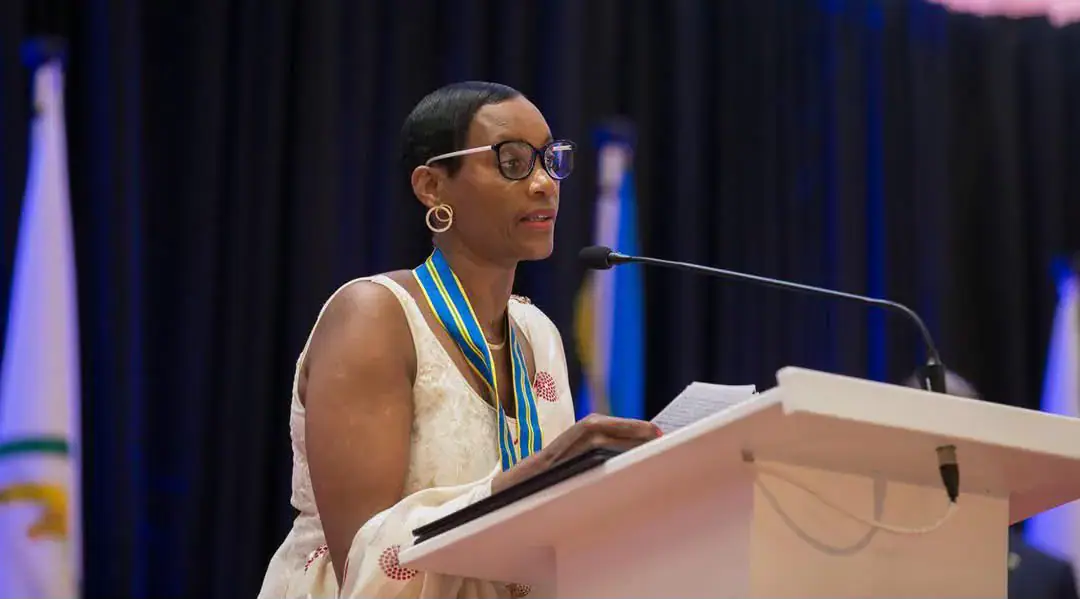
Dafroza Mukarumongi Gauthier, who passed away on October 4, 2026, has left a lasting legacy in Rwanda and beyond. She dedicated a significant part of her life to seeking justice for those killed during the 1994 genocide against the Tutsi population. Gauthier relentlessly pursued those suspected of involvement in the genocide who had fled to Europe, ensuring that the truth about the events in Rwanda would not be forgotten. Her efforts went beyond tracking down genocide perpetrators, as she also gave a voice to the victims and fought to prevent those responsible from finding refuge abroad.
Before the genocide, Gauthier had returned to Rwanda in February 1994, just two months before the violence began. As the genocide unfolded, she monitored news from Rwanda and sought information about survivors, particularly children. She played a crucial role in helping children who had been separated from their families, some of whom had fled to Burundi and were later relocated to France. In collaboration with the French Ministry of Foreign Affairs and the Red Cross, Gauthier facilitated the relocation of these children to France in May 1994.
Gauthier's commitment to justice was further fueled by the testimonies of genocide survivors. During her time in Rwanda, she visited survivor families and heard firsthand accounts of the atrocities committed by individuals such as Father Wenceslas Munyeshyaka, who was then residing in France. These testimonies motivated her to continue pursuing those suspected of genocide-related crimes who had escaped to Europe. She recognized that silence could allow crimes to go unpunished and perpetrators to live without accountability.
Alongside her husband, Alain Gauthier, Dafroza chose to dedicate herself to this cause at a time when many genocide perpetrators had fled to Europe, built new lives, and attempted to deny or downplay their roles in the genocide. The couple believed that fleeing the country was not a means to evade justice and that the passage of time would not erase the truth about the events. Gauthier, who had a background in chemistry rather than law, understood that justice for genocide victims could not be confined within Rwanda's borders.
Gauthier's efforts led to her involvement in approximately 40 cases of individuals suspected of involvement in the genocide, who were prosecuted in France. These cases, which spanned several years, presented various legal challenges but demonstrated that crimes committed could not be erased by time or geographical distance. Her work ensured that every trial was a step toward revealing the truth and restoring dignity to the victims.
One of the most poignant aspects of Dafroza Gauthier's legacy is a document she carried, listing the names of 89 members of her family who were killed during the genocide. She used this document in various media appearances, public discussions, and awareness campaigns, ensuring that the international community remained aware of the human cost of the genocide. By sharing these names, Gauthier humanized the victims, emphasizing that behind every statistic was a person with a life, family, and future.
Gauthier's advocacy extended to media outlets such as France 2, France 24, TV5, and RTBF, where she shared the truth about the genocide and condemned its denial. Her determination to confront genocide deniers and ensure accountability for those responsible exemplifies her bravery and commitment to justice. Through her work, Dafroza Gauthier ensured that the victims of the genocide were not reduced to mere numbers but were remembered as individuals whose lives and dignity deserved recognition.
Key points
- Dafroza Gauthier dedicated her life to seeking justice for victims of the 1994 Rwandan genocide and advocating for their rights.
- She played a crucial role in helping children separated from their families during the genocide and facilitated their relocation to France.
- Gauthier's efforts led to her involvement in approximately 40 cases of individuals suspected of involvement in the genocide, who were prosecuted in France.