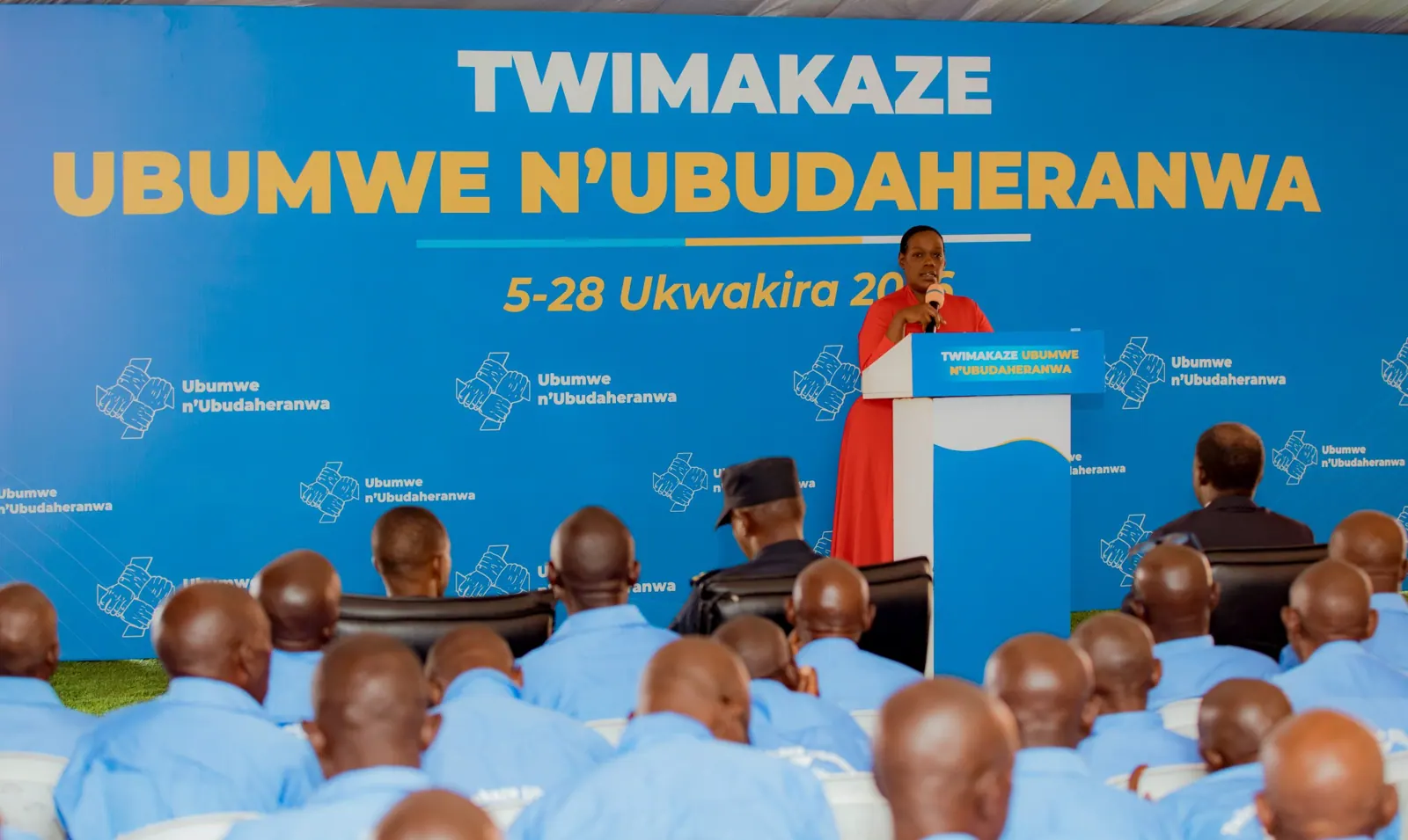
In an effort to promote unity and reconciliation, the Rwandan government has launched a training program for prisoners convicted of participating in the 1994 Genocide against the Tutsi. The program, which is being conducted at the Nyamasheke prison, aims to help the prisoners understand their role in the genocide and prepare them for reintegration into society upon completion of their sentences. The training is being led by Alice Kayumba Uwera, the Director General of the National Commission for Unity and Reconciliation.
The training program, which is the 10th of its kind, is specifically designed for prisoners who are set to complete their sentences by December 31, 2026. A total of 526 male prisoners from various prisons across Rwanda are participating in the program. During the training, the prisoners will learn about the history of the genocide, its impact on the country and its people, and their role in the atrocities. They will also be taught about the importance of unity, reconciliation, and forgiveness.
According to Alice Kayumba Uwera, the training program will help the prisoners to understand the consequences of their actions and the harm they caused to their victims, their families, and the country as a whole. The program will also provide the prisoners with skills to help them reintegrate into society and rebuild their lives upon release. This includes learning about the importance of seeking forgiveness and providing information that can help locate the remains of victims who were not buried with dignity.
The training program is also aimed at helping the prisoners to overcome the psychological trauma associated with their crimes. They will be taught how to cope with the guilt and shame of their actions and how to make amends. The program will also provide the prisoners with information on how to rebuild their relationships with their families and communities.
Commissioner General Wungirije, Theos Badege, of the Rwanda Correctional Service, urged the prisoners to take the training seriously and make a commitment to change their lives. He emphasized that the goal of the program is to help the prisoners to rehabilitate and reintegrate into society, rather than to return to prison. Badege added that the Rwanda Correctional Service does not want to see any of the prisoners return to prison and encouraged them to work hard to ensure that they do not reoffend.
The training program will run until October 28, 2026, and will provide the prisoners with the skills and knowledge they need to rebuild their lives and become productive members of society. Upon completion of the program, the prisoners will be expected to use the knowledge and skills they have acquired to make a positive contribution to their communities.
The initiative is part of the Rwandan government's efforts to promote unity and reconciliation in the country. The government has been working to promote healing and forgiveness among Rwandans and to help the country to move forward from the trauma of the genocide. The training program for prisoners is an important part of this effort and is seen as a key step towards promoting national unity and reconciliation.
Key points
- The training program aims to help prisoners understand their role in the genocide and prepare them for reintegration into society.
- A total of 526 male prisoners are participating in the program, which will run until October 28, 2026.
- The program is part of the Rwandan government's efforts to promote unity and reconciliation in the country.