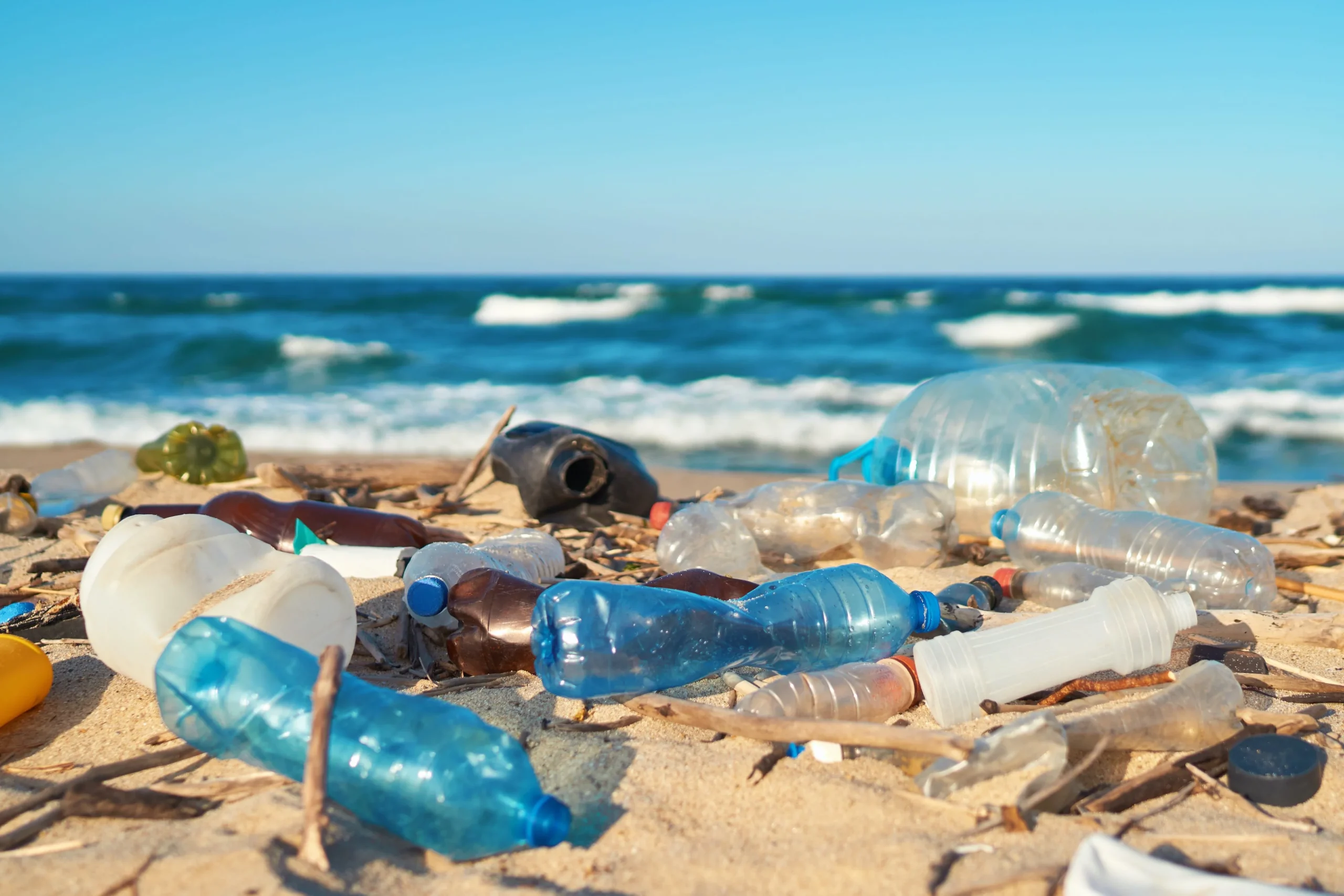
A recent Greenpeace Middle East and North Africa report has found that plastic pollution is costing Morocco approximately $1.2 billion a year, which is equivalent to 0.8% of the country's GDP. This estimate is based on the damage caused by plastic pollution in the Mediterranean Sea and does not include the impact on the Atlantic coast. The report highlights the significant economic burden of plastic pollution on Morocco and emphasizes the need for effective measures to address this issue.
Morocco generates 3.97 million tonnes of municipal solid waste annually, with 422,000 tonnes being plastic waste. Out of this plastic waste, 250,000 tonnes are mismanaged, and 75,000 tonnes end up in the sea, accounting for 17.8% of the country's total waste generation. The report also notes that Morocco mismanages 59.4% of its municipal waste, indicating a significant gap in waste management.
The collection of waste in Morocco varies significantly between urban and rural areas. In 2019, urban areas had a collection rate of about 96%, while rural areas had a collection rate of only 10%. This disparity highlights the need to improve waste collection services in rural areas to prevent open dumping and burning of waste.
The economic impact of plastic pollution is not limited to the environmental damage. The cost of waste management is also a significant burden on urban municipalities. In a sample of urban municipalities, waste services accounted for 34% of recurrent budgets and 28% of total budgets. Additionally, arrears to waste contractors stood at approximately $126 million at the end of 2020.
Morocco's industry and population are concentrated in coastal areas, which are most affected by plastic pollution. About 81% of the country's industry is located on the coast, and coastal areas contribute 59% of GDP and 52% of jobs. Furthermore, 65% of the population lives within 100 kilometers of the sea, making it essential to address plastic pollution to protect the country's economy and population.
Morocco has made efforts to regulate plastic use, with laws prohibiting the manufacture, import, sale, and distribution of non-degradable plastic bags. However, the implementation of these laws and the development of recycling infrastructure remain a challenge. Only 15% of plastic waste goes uncollected, but 73% of collected plastic waste is not recycled due to a lack of sorting facilities.
To address plastic pollution, the report recommends that Morocco commission the 23 planned sorting centers, extend collection services to rural areas, formalize the informal waste sector, and support production reduction in the global plastics treaty. If left unaddressed, the cumulative cost of delay for Morocco is estimated to reach $13.4 billion to $44.3 billion by 2040.
Key points
- Morocco loses approximately $1.2 billion annually due to plastic pollution.
- The country's waste management infrastructure is inadequate, with significant disparities between urban and rural areas.
- Morocco needs to develop its recycling infrastructure and implement effective measures to address plastic pollution.