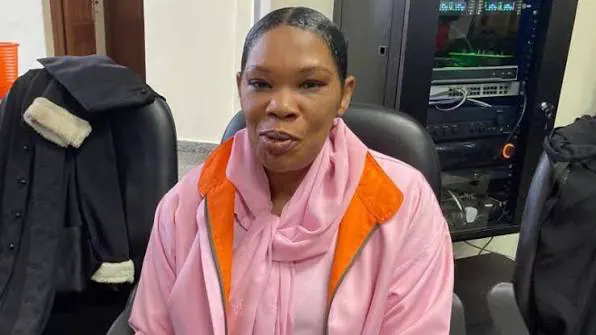
The Specialized Chamber of the High Court in Nyanza, Rwanda, has upheld the life sentence of Béatrice Munyenyezi, who was convicted of genocide, conspiracy to commit genocide, and other crimes. The court's decision was made on September 30, 2026, and it confirmed the previous ruling by the Huye Intermediate Court. Munyenyezi was found guilty of five counts, including genocide, conspiracy to commit genocide, and crimes against humanity.
Munyenyezi's lawyers, Bruce Bikotwa and Felecien Gashema, had argued that their client was innocent and that she was being unfairly targeted due to her family ties. They claimed that Munyenyezi was pregnant with twins and had a young child, which made it impossible for her to have committed the crimes. However, the prosecution countered that Munyenyezi's family members, including her uncle Maurice Ntahobari, were also implicated in the genocide.
The court found that Munyenyezi had played a significant role in the genocide, including ordering Interahamwe militia to rape Tutsi women and girls. The court also found that Munyenyezi had killed a Tutsi woman. The prosecution had presented evidence that Munyenyezi had been involved in the planning and execution of the genocide.
Munyenyezi was extradited to Rwanda from the United States in April 2021. She had been living in the US but was deported after a lengthy legal battle. Her trial was widely followed in Rwanda, where the genocide remains a sensitive and traumatic event.
The court's decision was made after a lengthy trial and appeal process. Munyenyezi's lawyers had argued that the evidence against their client was circumstantial and that she had been unfairly targeted. However, the court found that the evidence was sufficient to convict her of the crimes.
The genocide in Rwanda resulted in the deaths of an estimated 800,000 people, mostly from the Tutsi ethnic group. The event remains a traumatic and sensitive topic in Rwanda, and the country's courts have been working to bring perpetrators to justice. Munyenyezi's conviction is seen as a significant step in that process.
Munyenyezi and her lawyers have the right to appeal the decision to the Supreme Court in Kigali. However, it is unclear whether they will exercise that right. The case has been widely reported in Rwanda and has sparked renewed debate about the country's efforts to bring closure to the genocide.
Key points
- The Rwandan court upheld the life sentence of Béatrice Munyenyezi, who was convicted of genocide and other crimes.
- Munyenyezi was found guilty of five counts, including genocide, conspiracy to commit genocide, and crimes against humanity.
- The court's decision was made after a lengthy trial and appeal process, and Munyenyezi has the right to appeal to the Supreme Court.