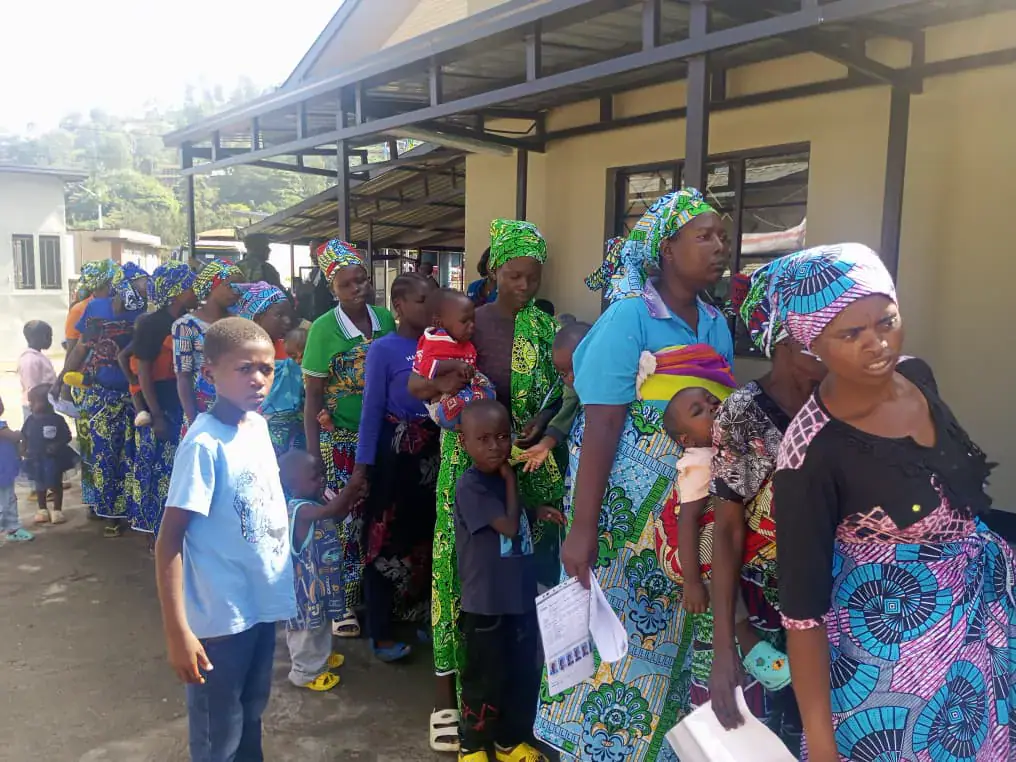
The government of Rwanda has welcomed 106 refugees back to the country, mostly women and children, who had been living in the Democratic Republic of Congo (DRC). They crossed the border at Rusizi I on November 26, 2026, and were received by various government agencies and humanitarian organizations. The refugees, including 28 women and 78 children, had been living in harsh conditions in the DRC, struggling with poverty and limited access to education.
According to the refugees, their living conditions in the DRC were dire, with many forced to live in makeshift camps and struggling to access basic necessities like food and education. Some of the refugees, like Muhoza Arankunda, had been separated from their families and were forced to fend for themselves. Arankunda, who was separated from his family of eight, said he had been living in difficult conditions since 1994, when his mother fled to the DRC.
The refugees also shared their experiences of living in fear of violence and intimidation in the DRC. Uwase Gasigwa, a 28-year-old refugee, said they had to constantly be on the move to avoid being caught by armed groups. Gasigwa said she used to sell milk in the DRC to make a living, but it was a struggle. She encouraged those still living in the DRC to consider returning to Rwanda, citing the improved living conditions and opportunities available.
One of the common challenges faced by the refugees was limited access to education. Many of the children had not had the opportunity to attend school, and those who had were forced to drop out due to the harsh living conditions. However, the government of Rwanda has pledged to provide support to help the refugees integrate back into society, including providing access to education.
The government of Rwanda has been working to provide support to the refugees, including providing them with basic necessities like food and shelter. The refugees are being housed in temporary accommodations, including the Nyarushishi and Kijote centers, while plans are made to reintegrate them into their communities. According to the authorities, over 10,000 Rwandans have returned from the DRC since January 2025.
The return of the refugees is seen as a positive development for Rwanda, which has been working to rebuild and promote national unity since the 1994 genocide. The government has been encouraging Rwandans living in exile to return and contribute to the country's development. The refugees who have returned so far have expressed gratitude for the opportunity to return home and rebuild their lives.
The government of Rwanda has pledged to continue providing support to the refugees and to help them reintegrate into society. Key initiatives include providing access to education and healthcare, as well as economic support to help them rebuild their lives.
Key points
- The refugees cited harsh living conditions, limited access to education, and fear of violence as reasons for returning to Rwanda.
- The government of Rwanda has pledged to provide support to help the refugees integrate back into society.
- Over 10,000 Rwandans have returned from the DRC since January 2025.
Reporting sources
- MU RWANDA 26 NOV, 13:47 Abanyarwanda 106 bari bamaze igihe mu mashyamba ya RDC batahutse · https://www.kigalitoday.com/