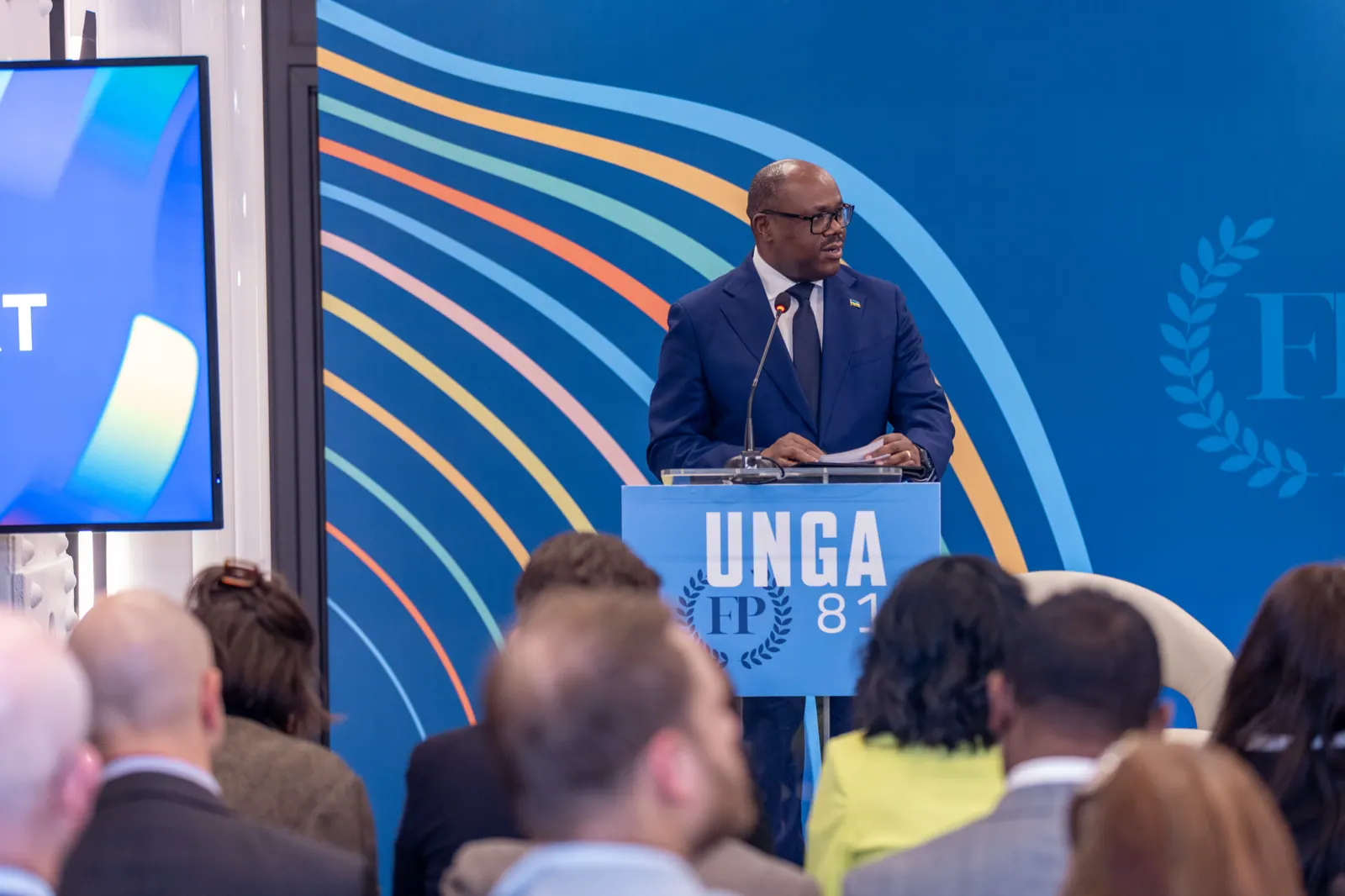
The Pandemic Fund, along with Rwanda and Armenia, recently convened world leaders on the sidelines of the 2026 United Nations General Assembly. The meeting aimed to discuss how countries can turn pandemic commitments into concrete investments before another crisis arises. Rwanda, which helped shape the Pandemic Fund and chaired its governing board until June 2026, is using its experience with the Marburg outbreak in 2024 to make the case for preparedness.
Rwanda's Prime Minister, Dr. Justin Nsengiyumva, stated that the country's preparedness was tested during the Marburg outbreak, and its experience demonstrated the value of systems built before an emergency. When the outbreak began, Rwanda had systems in place, including community health workers, surveillance networks, laboratories, and hospitals, which could be quickly adapted to respond to the new threat. Over 9.5 million people were screened by community health workers during the outbreak, and Rwanda was able to bring it under control within three months.
According to Prime Minister Nsengiyumva, preparedness should not mean maintaining a specialized system that only becomes useful during a crisis. Instead, it should be the everyday strength of a health system, available on the day it is needed. This principle is the basis of the Pandemic Fund's model, which aims to provide grants to help countries strengthen their systems before a crisis arises. The Fund's Executive Head, Priya Basu, emphasized that preparedness cannot be built in the moment of crisis, but rather before it.
The Pandemic Fund has awarded $1.4 billion in grants across 67 projects covering 128 countries during its first three funding rounds. These grants have helped catalyze over $10 billion in additional domestic and international resources. For Rwanda, Pandemic Fund support is helping to strengthen health systems and establish a National Veterinary Reference Laboratory, which will enable the country to detect zoonotic diseases faster and reduce reliance on testing abroad.
World Bank Group Managing Director and Chief Knowledge Officer, Pascal Donohue, noted that the case for preparedness extends beyond health. COVID-19 demonstrated how a pandemic can also become a development crisis by reversing years of economic and social progress. A strong health system is the same system that can detect and respond to an outbreak. The World Bank is working with countries on primary healthcare, regional manufacturing, emergency financing, and response capacity.
Armenia's Health Minister, Anahit Avanesyan, whose country worked with Rwanda to facilitate the intergovernmental process ahead of the UN high-level gathering, emphasized the challenge of turning political commitments into sustained action. For Rwanda, this means making preparedness part of normal national planning and budgeting, rather than something governments revisit only during emergencies.
Prime Minister Nsengiyumva concluded that the next threat may emerge anywhere, and it is crucial to have systems in place that are ready to respond. What remains to be seen is whether and how countries will invest in preparedness while there is still time to prepare, rather than waiting until the next outbreak creates a tragedy.
Key points
- Rwanda's experience with the Marburg outbreak demonstrates the value of investing in pandemic preparedness as a continuous process.
- The Pandemic Fund has awarded $1.4 billion in grants to support pandemic prevention, preparedness, and response in low- and middle-income countries.
- Strengthening health systems and establishing reference laboratories can help countries detect and respond to outbreaks more effectively.