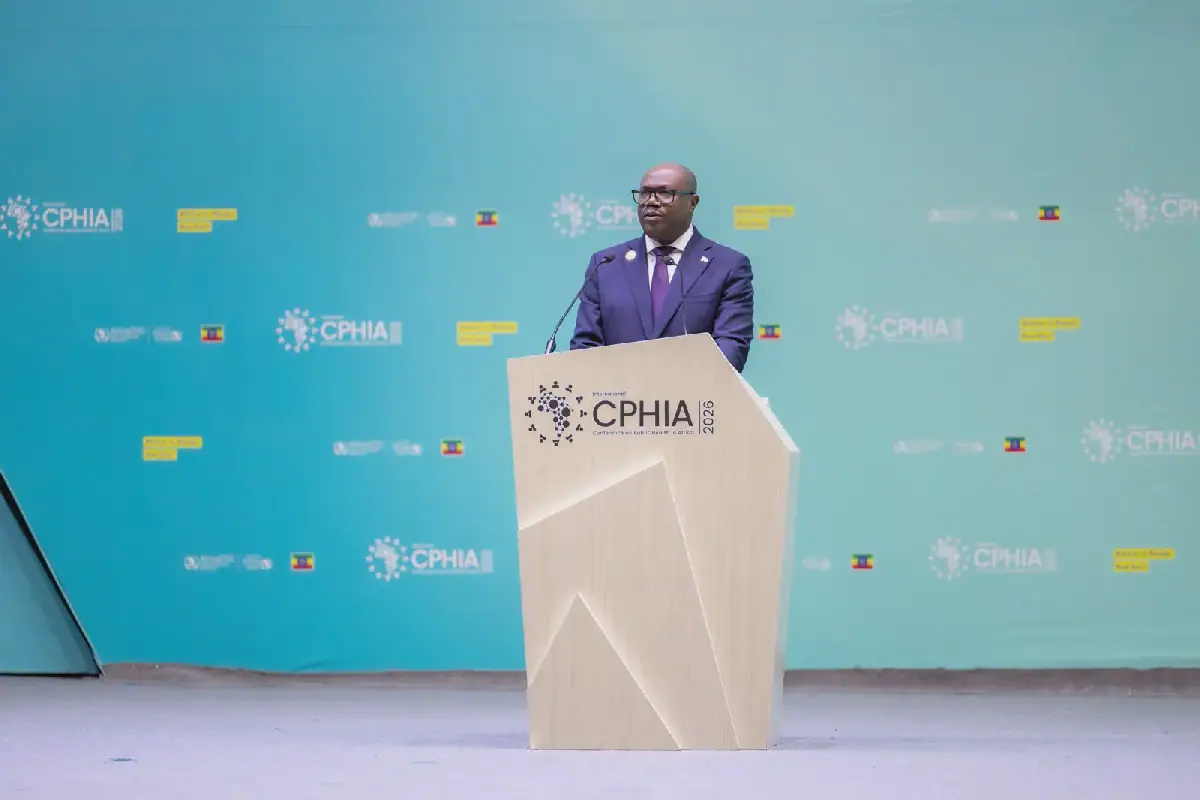
Rwandan Prime Minister Dr. Justin Nsengiyumva has urged African countries to take the lead in financing their healthcare systems. He made this appeal during the fifth Conference on Public Health in Africa (CPHIA 2026) in Addis Ababa, Ethiopia. Dr. Nsengiyumva emphasized that Africa should not solely rely on dwindling international aid to address its growing health challenges.
Dr. Nsengiyumva noted that the decline in international funding for healthcare in Africa, coupled with the rising burden of diseases, should serve as a wake-up call for the continent to reassess its approach. He stressed that Africa must take ownership of its healthcare needs and not solely depend on external assistance. The Rwandan government has made significant strides in healthcare, including the implementation of a health insurance scheme, Mutuelle de Santé.
The Mutuelle de Santé scheme has been in operation for over 25 years and has increased access to healthcare for many Rwandans. Currently, it covers approximately 89% of the population, enabling them to access essential health services. The scheme has also contributed to the expansion of basic healthcare services, including the provision of life-saving medicines and specialized care.
Rwanda has made notable progress in improving healthcare outcomes. Since 2000, the country has reduced infant mortality rates from 107 per 1,000 live births to 27. Maternal mortality rates have also decreased significantly, from 1,071 per 100,000 live births to 149. Additionally, life expectancy has increased by 20 years, from 50 to 70.5 years.
Dr. Nsengiyumva highlighted Rwanda's experience in responding to epidemics, citing the 2024 Marburg outbreak. He noted that the country's preparedness and existing healthcare infrastructure enabled it to effectively contain the outbreak, with a relatively low fatality rate of 22%. This experience underscores the importance of investing in healthcare systems and being prepared for potential epidemics.
The Prime Minister emphasized the need for African countries to strengthen their healthcare systems, particularly in the areas of vaccine production and medical supplies. He called for increased investment in local industries and partnerships to enhance the production of essential medicines and healthcare equipment.
Dr. Nsengiyumva concluded by stressing the importance of collective action and cooperation among African countries to achieve self-reliance in healthcare. He encouraged countries to share knowledge, coordinate efforts, and support each other's healthcare initiatives. By working together, African countries can build a stronger, more resilient healthcare system that meets the needs of their populations.
Key points
- African countries should prioritize healthcare self-reliance and take ownership of their healthcare needs.
Reporting sources
- U Rwanda rwasabye ibihugu by'Afurika kwishakamo ubushobozi bwo kwita ku buzima bw’abaturage · https://www.kigalitoday.com/