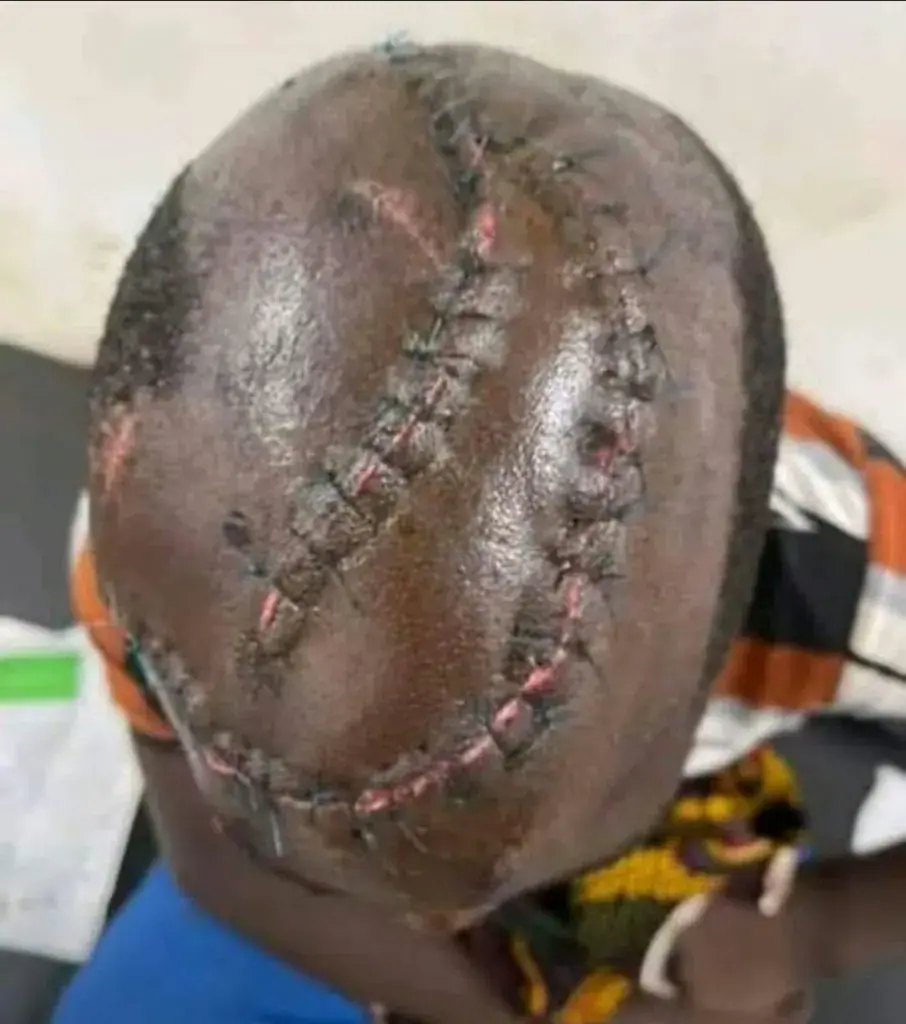
A striking image of a motorcyclist's head, extensively covered in stitches, has been making rounds in Guinea, sparking concerns about road safety. The photo, shared by Amadou Diallo, head of the Studies, Regulation, and Accidentology department at the Guinean Road Safety Agency (AGUISER), shows the aftermath of a severe accident. The victim's survival is remarkable, given the extent of the injuries. This incident highlights the urgent need for motorcyclists to wear protective gear.
Many motorcyclists in Guinea view helmets as merely decorative, wearing them only to avoid police fines or for aesthetic purposes. Some riders even attach helmets to their handlebars or wear them incorrectly, rendering them useless in the event of an accident. This attitude is also prevalent among law enforcement officers, who should set a good example for citizens. The consequences of not wearing helmets can be devastating, resulting in severe head trauma, fatalities, or lifelong disabilities.
The proliferation of motorcycle taxis in Guinea has improved urban and rural mobility but has also led to a significant number of accidents. Daily, emergency services attend to victims of motorcycle-related crashes. The primary cause of these accidents is the lack of helmet use, as well as reckless behavior such as speeding, overloading, and reckless overtaking. Cultural resistance and misconceptions about helmets persist, with some riders citing heat, discomfort, or hygiene concerns as reasons for not wearing them.
Passengers on motorcycle taxis are often neglected in terms of road safety. Despite regulations requiring two helmets per motorcycle, many drivers fail to provide them for their passengers. This exposes riders to fatal risks, and it is essential for passengers to demand helmets before boarding. The responsibility lies with both drivers and passengers to prioritize safety.
To address the issue, Guinean authorities are promoting a combination of education and strict law enforcement. Public awareness campaigns, involving road safety authorities, transport unions, and civil society, aim to change attitudes toward helmet use. However, regulations must be enforced, and the quality of helmets sold in the market must be controlled to ensure they provide adequate protection.
The Guinean government and road safety advocates stress that wearing helmets is a simple yet vital act that can save lives. Helmets are not mere accessories or administrative requirements but essential equipment that can mean the difference between a minor accident and a life-altering tragedy. Making helmet use a habitual practice among motorcyclists and passengers is crucial to reducing road accidents and related fatalities.
The shocking image of the motorcyclist's severely injured head serves as a stark reminder of the importance of road safety. Authorities and citizens alike must work together to promote a culture of safety and responsibility on Guinea's roads. By doing so, the country can mitigate the alarming number of motorcycle-related accidents and create a safer environment for all road users.
Key points
- The Guinean government and road safety advocates are urging motorcyclists to wear helmets to prevent severe head injuries and fatalities.
- Many motorcyclists in Guinea view helmets as merely decorative and do not wear them for safety purposes.
- Public awareness campaigns and strict law enforcement are being implemented to promote helmet use and reduce road accidents.