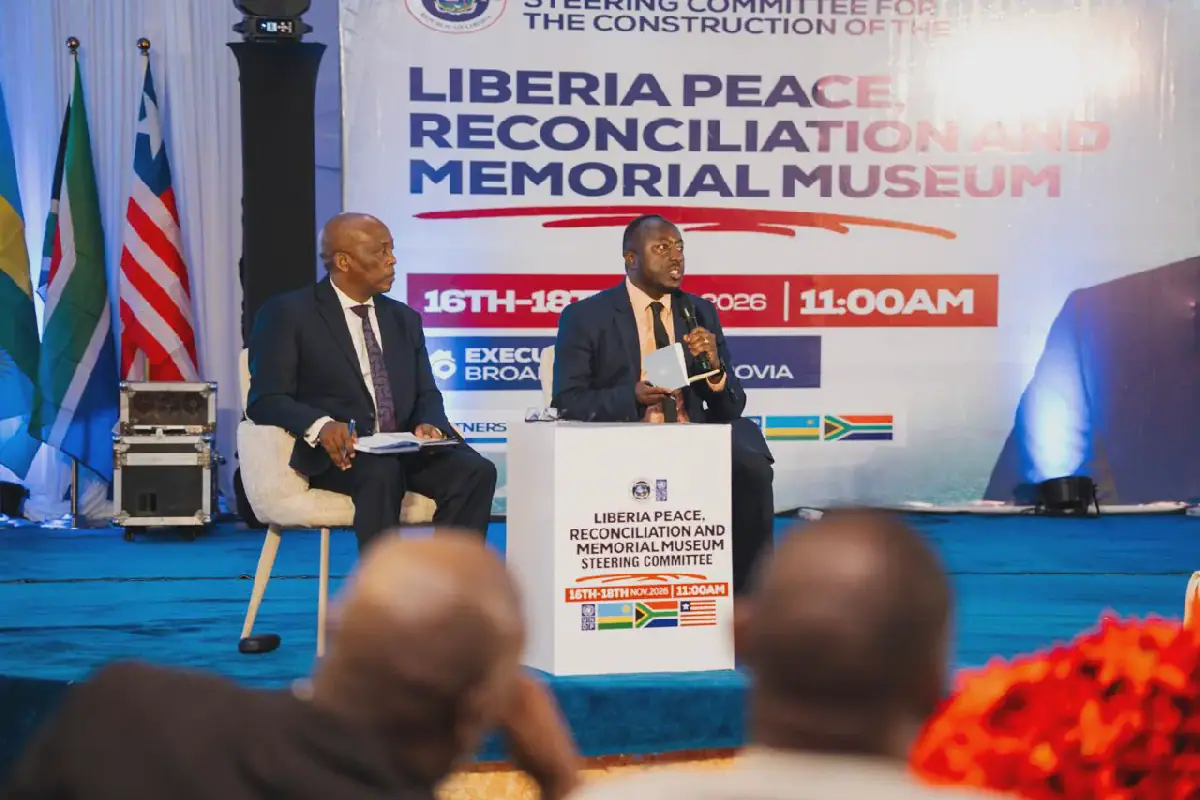
Rwanda has shared three key lessons with Liberia on building sustainable peace, emphasizing the importance of preserving history, promoting unity, and effective leadership. This exchange took place during the second day of the inaugural meeting of the Steering Committee for the establishment of the Liberia Peace, Reconciliation and Memorial Museum in Monrovia. The Rwandan delegation, led by Eric Mahoro, Permanent Secretary in the Ministry of Unity and National Guidance, highlighted the country's experience in rebuilding after the 1994 genocide.
The lessons shared by Rwanda include preserving history and documentation to ensure the truth about past events is not lost, providing dignity to victims of genocide, and educating future generations. Another key lesson is promoting reconciliation through practical activities that rebuild trust, promote justice, and help citizens feel united. The third lesson focuses on the role of leadership in protecting unity and peace, establishing strong institutions, and promoting values that respect human life and rights.
Ambassador Rosemary Mbabazi, Rwanda's ambassador to Ghana, emphasized that peace cannot be sustained solely by stopping conflict but must be built and protected through institutions, citizens, and leadership with a strong will. She noted that remembering past events is not about perpetuating pain but about honoring victims, understanding the truth, and preventing future violence. Mbabazi also highlighted that each country must find its own path to reconciliation based on its history and context.
The Liberian government is seeking to preserve its history, particularly from the civil wars that occurred from 1989 to 2003, which resulted in significant loss of life, displacement, and destruction of infrastructure. President Joseph Nyuma Boakai signed a decree establishing the Liberia Peace, Reconciliation and Memorial Museum on November 13, 2026, outlining its mandate, governance, and implementation. The museum aims to preserve documents, photos, and testimonies from the conflict.
The establishment of the museum is part of Liberia's efforts to come to terms with its past and promote peace and reconciliation. The project is supported by the United Nations and other partners, with the Liberian government committing to develop the project over three years. The museum is expected to serve as an educational tool, promote unity, and provide a platform for victims and their families to share their experiences.
A Liberian delegation, led by Minister Hadja Mamaka Bility, visited Rwanda and South Africa to learn from their experiences in dealing with past conflicts and promoting reconciliation. In Rwanda, they visited institutions and sites related to the preservation of genocide history, including the Gacaca courts and the Kigali Genocide Memorial. In South Africa, they visited the Apartheid Museum and Freedom Park.
The exchange between Rwanda and Liberia demonstrates the importance of South-South cooperation in sharing solutions to common challenges. The partnership highlights the commitment of both countries to promoting peace, reconciliation, and development. By sharing experiences and lessons learned, Rwanda and Liberia aim to build a stronger foundation for sustainable peace and unity.
Key points
- Rwanda shares experience with Liberia on building peace, reconciliation, and memorialization.
- Liberia seeks to preserve its history and promote peace and reconciliation through the establishment of a national museum.
- The partnership between Rwanda and Liberia demonstrates the importance of South-South cooperation in promoting peace and development.