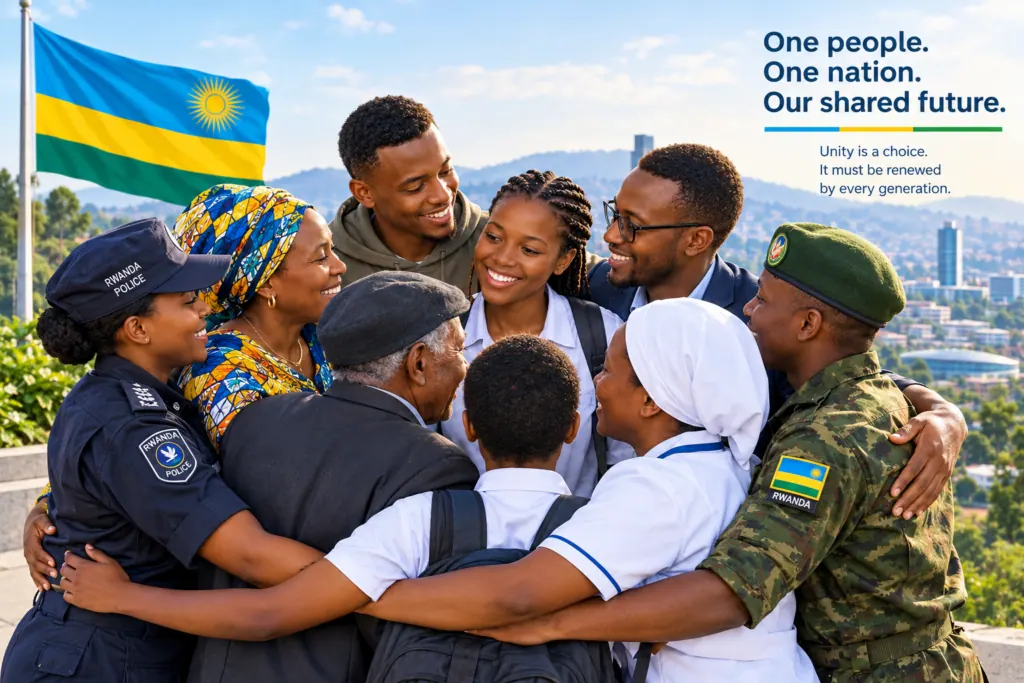
Rwanda's month of unity and resilience, observed every October, serves as a vital national opportunity for reflection on the country's history, progress, and challenges. This annual commemoration, marking the country's post-genocide recovery, allows Rwandans to assess their unity and identify areas for improvement. The 1994 genocide against the Tutsi left Rwanda devastated and divided, necessitating more than physical reconstruction. Unity and reconciliation became central to Rwanda's recovery, requiring a delicate balance between remembering the past and preventing future violence.
The unity and resilience month plays a crucial role in keeping Rwanda's history part of the national conversation without allowing it to be a source of division. This conversation is particularly important for younger generations who did not experience the genocide. As the distance from 1994 grows, there is a greater responsibility to ensure that young Rwandans understand the consequences of division and the importance of protecting social cohesion. Minister Jean Damascène Bizimana has called on young people to challenge attitudes associated with Rwanda's troubled past, emphasizing their role as active custodians of reconciliation.
Reconciliation is an evolving process that requires continuous reflection on existing approaches and their effectiveness. New generations emerge, communities change, and new social, economic, and political pressures develop. Maintaining unity requires identifying gaps within families, communities, workplaces, and institutions before they become deeper social fractures. Community-level discussions are essential, allowing citizens to discuss issues affecting them directly and identify practical ways of strengthening trust and cooperation.
The younger generation occupies a vital position in sustaining Rwanda's reconciliation journey, representing the majority of Rwanda's population and increasingly determining the country's social and political direction. They are further removed from the events of 1994 than previous generations, making their role in protecting social cohesion crucial. In an increasingly connected world, vigilance and awareness among young people are essential in distinguishing between legitimate debate and messages designed to create hatred or division.
Social media can rapidly amplify information, grievances, and narratives that influence public attitudes, making it essential for citizens to be aware of its impact. Building a resilient society requires citizens who can critically evaluate information and identify potential threats to unity. The month of unity and resilience serves as a reminder that unity is not something to take for granted, but an achievement to be protected and a responsibility that must be renewed by every generation.
The lessons of Rwanda's past cannot be changed, but the country's response to those lessons can continue to shape its future. The strongest form of reconciliation is not simply the absence of division but the creation of a society in which citizens have developed enough trust, shared identity, and resilience to ensure that past divisions do not define future generations. This requires a sustained effort from all Rwandans, particularly the younger generation, to prioritize unity and social cohesion.
Ultimately, Rwanda's unity and resilience month serves as a call to action for every generation to prioritize national unity and social cohesion. By reflecting on the country's progress and challenges, Rwandans can work together to build a more resilient society, ensuring that the divisions of the past do not define the generations to come. The country's future depends on the ability of its citizens to sustain unity and protect social cohesion.
Key points
- Rwanda's month of unity and resilience serves as a vital national opportunity for reflection on the country's history, progress, and challenges.
- The younger generation plays a crucial role in sustaining Rwanda's reconciliation journey and protecting social cohesion.
- Unity and reconciliation require a sustained effort from all Rwandans, particularly the younger generation, to prioritize national unity and social cohesion.