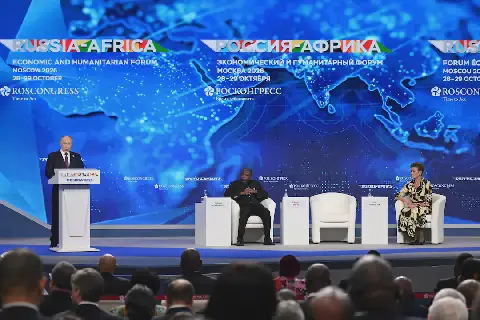
Prime Minister Justin Nsengiyumva of Rwanda addressed the Russia–Africa youth forum in Moscow, sharing insights on his country's post-genocide recovery. He emphasized the crucial role young people played in rebuilding Rwanda after the 1994 Genocide against the Tutsi. Nsengiyumva highlighted the devastating impact of the genocide, which claimed over one million lives in just 100 days. He noted that young people were manipulated by the regime responsible for the atrocities but also acknowledged the efforts of those who fought to end the tragedy.
Nsengiyumva underscored the importance of national unity, reconciliation, and policies that provide young people with opportunities to contribute to development. He cited the Rwanda Patriotic Army, led by Paul Kagame, as a key factor in securing the country and promoting reconciliation. The Prime Minister encouraged the young participants to use their knowledge, creativity, and networks to build cross-border partnerships. He emphasized that their past experiences do not have to define their destination, urging them to work towards a brighter future.
Rwanda's development experience was also highlighted by Nsengiyumva, who mentioned the country's efforts to combat corruption, implement progressive business regulations, and invest in infrastructure, digital transformation, and skills development. He pointed to Rwanda's visa-free policy for citizens of all African countries as a significant step towards economic integration and opportunities for young people. The Prime Minister emphasized that Rwanda's development vision extends beyond its borders, stressing the need for African countries to work together.
The Prime Minister highlighted Rwanda's efforts to promote tourism and investment, including its engagement with Formula 1. He believes this partnership can showcase Rwanda and Africa while creating opportunities in technology, engineering, tourism, business, and sports. Nsengiyumva also mentioned Rwanda's contribution to United Nations peacekeeping operations, deploying young men and women to protect vulnerable communities and save lives in conflict zones.
Nsengiyumva discussed Rwanda's approach to youth development, including constitutional provisions guaranteeing young people representation in Parliament. He acknowledged that Rwanda still faces challenges affecting young people but emphasized the country's commitment to finding solutions. The Prime Minister called on educational institutions, including MGIMO, to strengthen connections between young people from Russia and Africa.
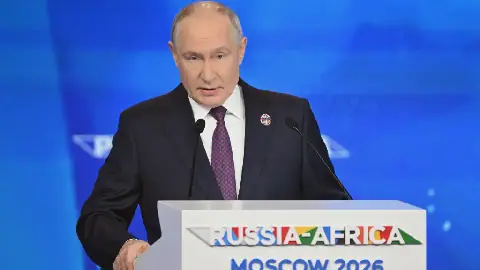
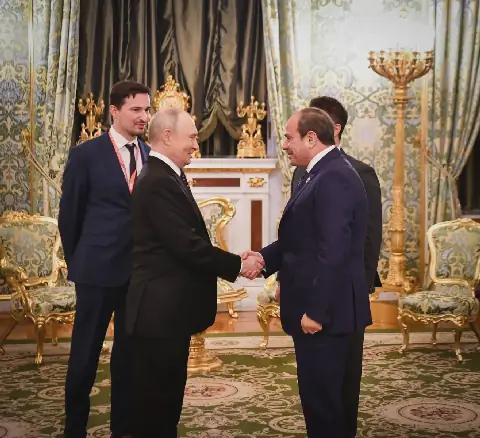
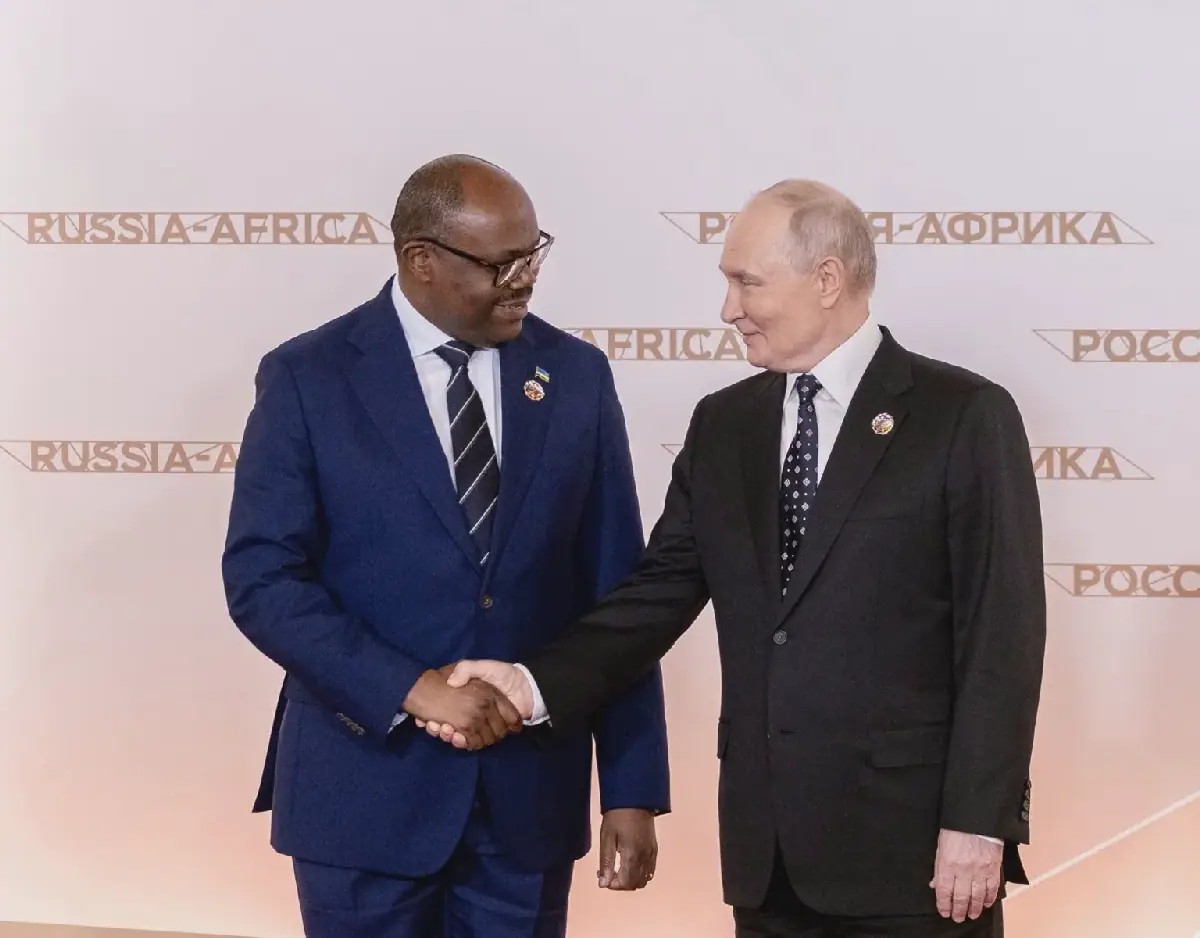
During his visit to Moscow, Nsengiyumva attended a reception hosted by Russian President Vladimir Putin for leaders participating in the Russia–Africa Summit. The engagements focused on discussions about Africa's development experience, youth participation, and cooperation between Russia and African countries. The Prime Minister's visit aimed to foster greater collaboration and understanding between Rwanda and Russia.
Nsengiyumva concluded his address by urging participants to build relationships across borders that could generate ideas, businesses, and initiatives to improve people's lives. He emphasized the importance of collaboration and knowledge sharing between young people from different countries. The Prime Minister's message resonated with the young participants, who are eager to make a positive impact in their respective countries.
Key points
- - Rwanda's post-genocide recovery offers valuable lessons for youth development and national rebuilding. - The country's experience emphasizes the importance of national unity, reconciliation, and policies that provide young people with opportunities to contribute to development. - Rwanda's development vision extends beyond its borders, stressing the need for African countries to work together to enable young people to move, exchange ideas, establish businesses, and contribute to shared prosperity.