In June 1993, Radio-Television Libre des Mille Collines (RTLM) began broadcasting in Rwanda, appealing to the unemployed, delinquents, and militia with unprofessional activities and street language. The station was set up and financed by hard-line Hutu extremists, who used it to fuel the 1994 Genocide Against the Tutsi. RTLM's stated aim was "to create harmonious development in Rwandan society," but its content dedicated almost all airtime to encouraging hate and violence.
A recent play, "Hate Radio," premiered in Kigali, based on the true story of how RTLM contributed to the genocide. The play highlighted the powerful influence of mass media and the dangers of microphones in the wrong hands. The event served as a reminder of the significant role media can play in shaping public attitudes and opinions. Twenty-nine years later, radio remains a dominant channel for accessing information in Rwanda.
Despite having over 50 private radio stations operating across the country, the content remains weak, with airwaves dominated by entertainment and celebrity gossip. The majority of radio stations have prioritized entertaining over educating and informing the public. Critical and insightful content that can help Rwandans make informed decisions about their lives is still lacking.
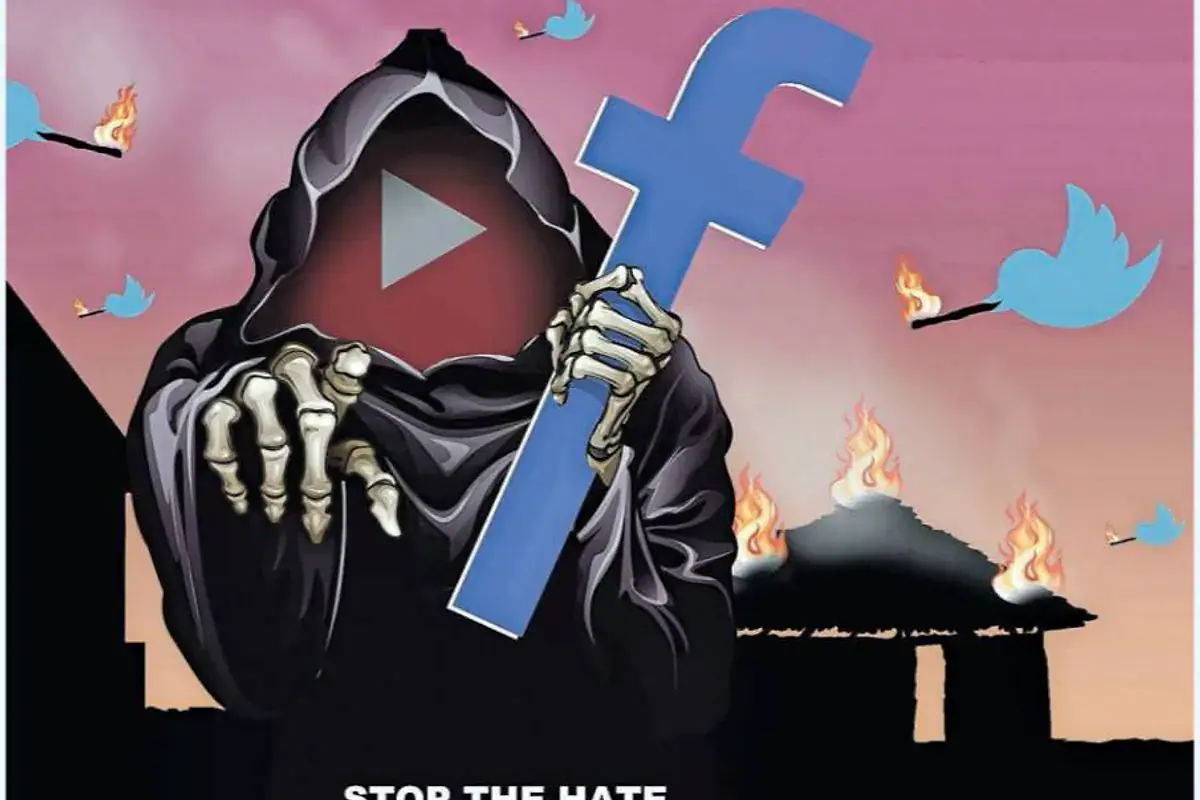
The proliferation of online media outlets has also raised concerns, with many operating without editorial policies or professional journalists. Some outlets engage in propagating misinformation and genocide denial. Therefore, content producers face the challenge of avoiding hate speech while providing compelling content that positively impacts society.
To address these challenges, content producers must prioritize critical developments that impact people's lives and bring to the fore issues that are often ignored and voices that are marginalized. The expanding role of social media in shaping public attitudes and opinions makes it essential for society to have a well-informed citizenry that cannot be easily manipulated by misinformation and fake news.
Radio can be a powerful tool for positive change if professionally run, but it can also lead to calamity if not managed responsibly. The experience of RTLM serves as a cautionary tale for media practitioners and policymakers in Rwanda. The country's media landscape has evolved significantly since the genocide, but there is still much work to be done to ensure that media serves the public interest.
As Rwanda continues to rebuild and move forward, the importance of responsible media practices cannot be overstated. The government, media practitioners, and civil society must work together to promote a culture of critical and responsible journalism that prioritizes educating and informing the public. By doing so, Rwanda can harness the power of media to promote positive change and development.
Key points
- Radio-Television Libre des Mille Collines (RTLM) was set up and financed by hard-line Hutu extremists to fuel the 1994 Genocide Against the Tutsi.
- Rwanda's media landscape still struggles with providing quality content 29 years after the genocide.
- Content producers face the challenge of avoiding hate speech while providing compelling content that positively impacts society.