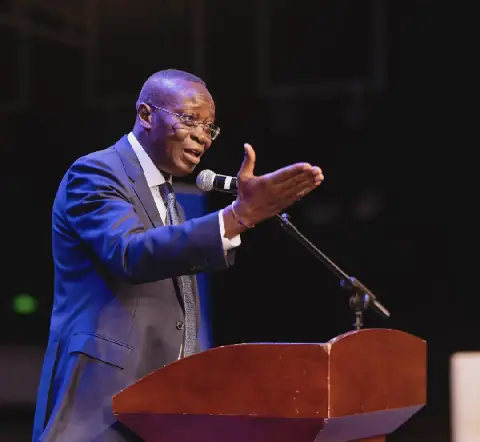
Rwanda's economy has shown significant growth over the past eight years, with the country's exports reaching nearly $3 billion. According to Prime Minister Dr. Nsengiyumva Justin, the country's exports have increased from $1.9 billion in 2017 to $3.5 billion in 2025, representing an 84% increase. This growth is a result of the government's efforts to promote economic development and reduce dependence on foreign aid.
The country's GDP per capita has also increased, from $784 in 2017 to $1,156 in 2025. This growth has been driven by various sectors, including agriculture, mining, and services. The government has implemented policies to promote entrepreneurship and investment, which have contributed to the country's economic growth. Rwanda's economic growth has been resilient, despite facing challenges such as the COVID-19 pandemic and global economic uncertainty.
The country's trade with foreign countries has also increased, with imports and exports reaching $9.4 billion in 2025, up from $4.9 billion in 2017. The country's exports are mainly composed of agricultural products, minerals, and services. Rwanda's main export destinations include the Arab League, China, Hong Kong, Uganda, and other countries. The government's efforts to promote trade and investment have contributed to the country's economic growth.
Despite the growth in exports, the country still faces a trade deficit, with imports exceeding exports by $2.4 billion in 2025. However, the government has implemented measures to manage the deficit and ensure that the country has sufficient foreign exchange reserves to meet its import needs. The government has also implemented policies to promote domestic production and reduce dependence on imports.
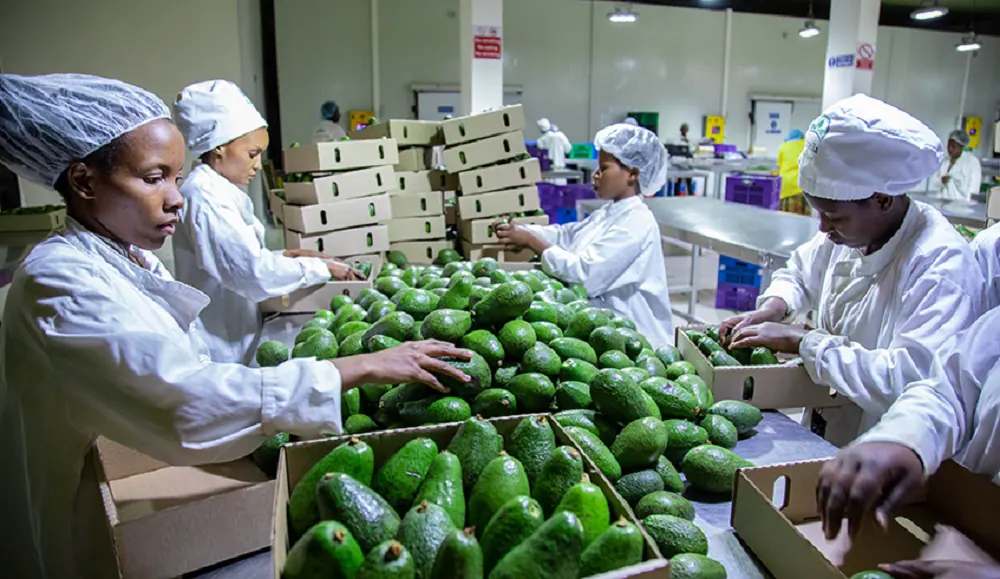
Rwanda's economic growth has been driven by various sectors, including agriculture, mining, and services. The country's agricultural sector has grown significantly, with crops such as tea, coffee, and horticulture being major export earners. The mining sector has also contributed to the country's economic growth, with minerals such as gold, tin, and tungsten being exported.
The government's efforts to promote economic development have been focused on increasing the country's economic resilience and reducing poverty. The country's economic growth has been accompanied by significant reductions in poverty and improvements in living standards. The government has implemented policies to promote entrepreneurship and investment, which have contributed to the country's economic growth.
Rwanda's economic growth is expected to continue in the coming years, driven by the government's efforts to promote economic development and investment. The country's economy is expected to continue to diversify, with new sectors such as tourism and ICT contributing to the country's economic growth. The government will continue to implement policies to promote economic growth and reduce poverty.
Key points
- Rwanda's exports have reached nearly $3 billion in 8 years, with a significant increase in the country's economy.
- The country's GDP per capita has increased from $784 in 2017 to $1,156 in 2025.
- Rwanda's trade with foreign countries has increased, with imports and exports reaching $9.4 billion in 2025.