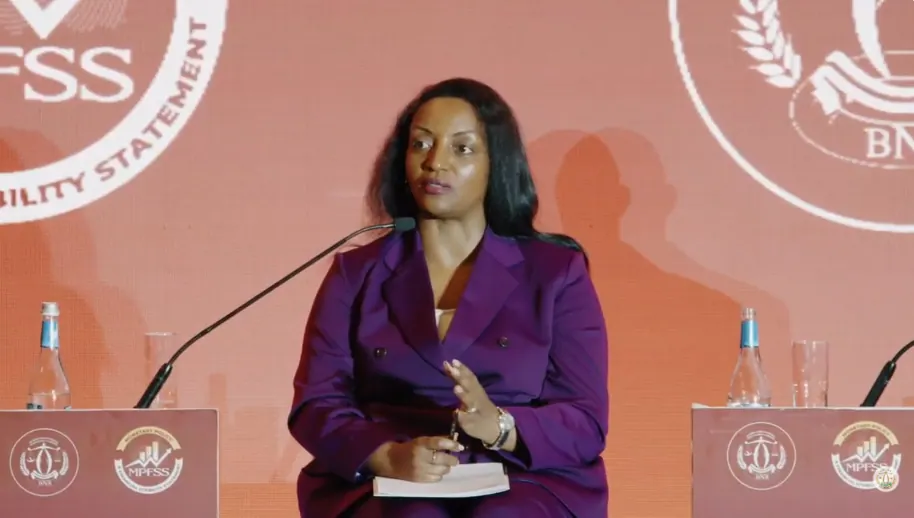
On October 8, 2026, the National Bank of Rwanda released its Monetary Policy and Financial Stability Statement, addressing concerns over rising prices in the country. The statement came amid a backdrop of increasing fuel and commodity prices, sparking concerns among citizens and businesses. Governor Soraya Hakuzimana acknowledged the challenges, citing global factors such as the ongoing conflict in Eastern Europe, which has disrupted the supply of fuel and other essential commodities.
According to Governor Hakuzimana, the conflict has led to a surge in fuel prices, which are beyond the control of the National Bank of Rwanda. However, she expressed satisfaction that the government has established a strategic fuel reserve, ensuring a steady supply of fuel in the country. This move is expected to help stabilize fuel prices and prevent shortages. Despite the challenges, Hakuzimana noted that Rwanda has not experienced fuel shortages since the conflict began.
The Governor emphasized that the strategic fuel reserve is a significant step towards ensuring fuel security and stabilizing prices. She expressed optimism that as global fuel prices decrease, the benefits will be passed on to consumers in Rwanda. In addition to fuel prices, Hakuzimana addressed concerns over rising commodity prices, citing the usual seasonal fluctuations. She noted that when commodity supplies are low, prices tend to increase.
To mitigate the effects of rising commodity prices, Governor Hakuzimana highlighted the government's efforts to make fertilizers more accessible to farmers. She expressed confidence that the measures will help increase food production and reduce prices. The National Bank of Rwanda aims to keep inflation below 5%. Hakuzimana expressed confidence that the bank can achieve this goal, citing its success in 2024 when inflation was reduced to 4%.
In 2022-2023, inflation peaked at 12.2%, but the National Bank of Rwanda implemented measures to bring it under control. This year, inflation is expected to reach 13.9%. Governor Hakuzimana attributed the current inflationary pressures to global factors, including the conflict in Eastern Europe and supply chain disruptions. She emphasized that the National Bank of Rwanda is working closely with the government to address these challenges.
The National Bank of Rwanda's efforts to stabilize the economy have been ongoing, with a focus on ensuring a stable and predictable monetary policy framework. Governor Hakuzimana expressed optimism that the bank's measures will help reduce inflation and stabilize prices. She also highlighted the importance of coordination between monetary and fiscal policies to achieve these goals.
As the country looks ahead to the next growing season, Governor Hakuzimana expressed confidence that the government's efforts to support farmers will yield positive results. With a stable fuel supply and increased access to fertilizers, farmers are expected to increase production, which should help reduce commodity prices. The National Bank of Rwanda will continue to monitor the situation and implement measures to support economic stability.
Key points
- The National Bank of Rwanda aims to keep inflation below 5%.
- The government has established a strategic fuel reserve to stabilize fuel prices.
- The National Bank of Rwanda is working closely with the government to address inflationary pressures.