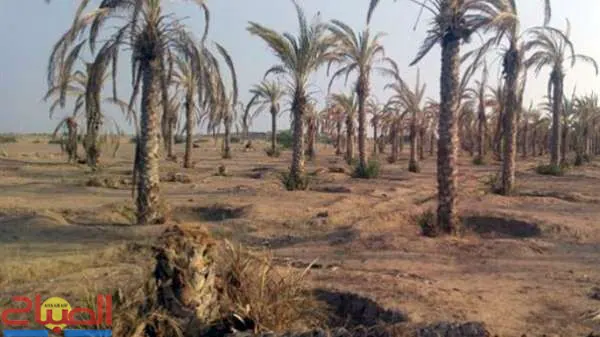
Residents of the oases and small farmers in Zakoura, Draâ-Tafilalet region, have expressed concerns about the potential waste of 67 billion dirhams in public funds on development programs that have not yielded the desired results. This comes as a counter to the directives of King Mohammed VI, who in his speech to the Parliament in October 2025, emphasized the need for special attention to be given to the development of rural areas.
The warning was issued by local residents and small farmers who claim that the programs aimed at rehabilitating the oases have not had the desired impact. They argue that the funds allocated for these projects could have been better utilized to address the pressing needs of the local population. The concerns raised by the residents and farmers highlight the need for a review of the development strategies implemented in the region.
The 67 billion dirhams in question were allocated for development programs aimed at improving the living conditions of residents in the oases and rural areas of Zakoura. However, the local population claims that the impact of these programs has been minimal, with many of the projects failing to achieve their objectives. This has led to growing frustration among residents, who feel that their needs have been neglected.
The King has emphasized the importance of addressing the challenges faced by rural communities, including the need for better infrastructure, healthcare, and economic opportunities. The development programs implemented in Zakoura were intended to address some of these challenges, but their effectiveness has been questioned by local residents. The concerns raised by the residents and farmers highlight the need for a more effective approach to development.
The issue has sparked concerns about the management of public funds and the effectiveness of development programs in rural areas. The government has been urged to review the development strategies implemented in Zakoura and to ensure that public funds are utilized in a more efficient and effective manner. This includes engaging with local communities and taking into account their needs and concerns.
The residents of Zakoura's oases and small farmers have called for a more inclusive and participatory approach to development, one that takes into account their needs and concerns. They argue that this would help ensure that public funds are utilized in a more effective and sustainable manner, and that the development programs implemented in the region have a more lasting impact.
The government has yet to respond to the concerns raised by the residents and farmers of Zakoura. However, the issue has highlighted the need for greater transparency and accountability in the management of public funds, particularly in rural areas. The effectiveness of development programs in addressing the challenges faced by local communities will depend on the government's ability to engage with these communities and to ensure that their needs are taken into account.
Key points
- The residents of Zakoura's oases and small farmers have warned of the potential waste of 67 billion dirhams in public funds on ineffective development programs.
- The development programs implemented in Zakoura were intended to improve the living conditions of residents in the oases and rural areas, but their effectiveness has been questioned by local residents.
- The issue has sparked concerns about the management of public funds and the effectiveness of development programs in rural areas.