The US has announced its decision to remove Rwanda from the African Growth and Opportunity Act (AGOA), a trade agreement aimed at promoting economic growth and trade opportunities for sub-Saharan African countries. The move, set to take effect on January 1, 2027, has sparked concerns about the impact on Rwanda's economy and its ability to export goods to the US market. AGOA, established in 2000, allows eligible countries to export over 1,800 products, including textiles, agricultural products, and handicrafts, to the US duty-free.
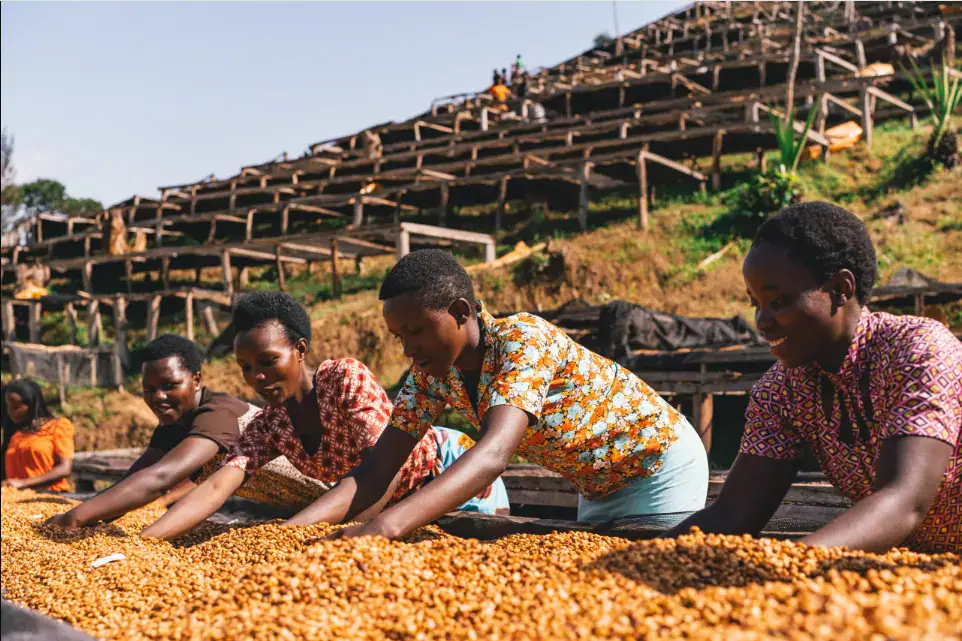
To qualify for AGOA benefits, countries must meet certain requirements, including promoting market-based economies, adhering to laws and regulations, and protecting workers' rights. Rwanda has been utilizing AGOA to export various products to the US, including coffee, tea, and handicrafts. However, with its removal from the agreement, Rwandan products will no longer be eligible for duty-free access to the US market, potentially affecting the country's exporters and economy.
The decision to remove Rwanda from AGOA is linked to a long-standing dispute over second-hand clothing, known as "caguwa." In 2016, African countries, including Rwanda, agreed to phase out the importation of used clothing to promote the growth of domestic textile industries. However, some countries, under pressure from the US, later reversed their decision, leading to Rwanda's continued adherence to the original agreement.
Rwandan President Paul Kagame has spoken out about the issue, highlighting the importance of promoting African self-reliance and industrialization. He noted that the decision to phase out used clothing was aimed at creating jobs and stimulating economic growth in the region. Kagame also expressed disappointment that some countries had reversed their decision, citing pressure from external actors.
The removal of Rwanda from AGOA has raised concerns about the country's ability to maintain its exports to the US market. While Rwanda will still be able to export goods to the US, products that previously benefited from duty-free access will now be subject to tariffs. This may affect the competitiveness of Rwandan products in the US market and potentially lead to a decline in exports.
The US decision has sparked debate about the role of AGOA in promoting African economic independence. Some argue that the agreement has helped African countries access the US market and stimulate economic growth. Others see AGOA as a means of promoting US interests in Africa, rather than genuinely supporting African development.
As Rwanda navigates its new trade relationship with the US, the country will need to diversify its exports and explore new markets. The experience has also highlighted the importance of African countries working together to promote regional economic integration and self-reliance. The impact of Rwanda's removal from AGOA will be closely watched, as it may have implications for other African countries participating in the agreement.
Key points
- Rwanda's removal from AGOA may lead to increased tariffs on its exports to the US market.
- The decision is linked to a dispute over second-hand clothing and Rwanda's commitment to promoting domestic textile industries.
- The move has sparked debate about the role of AGOA in promoting African economic independence and self-reliance.