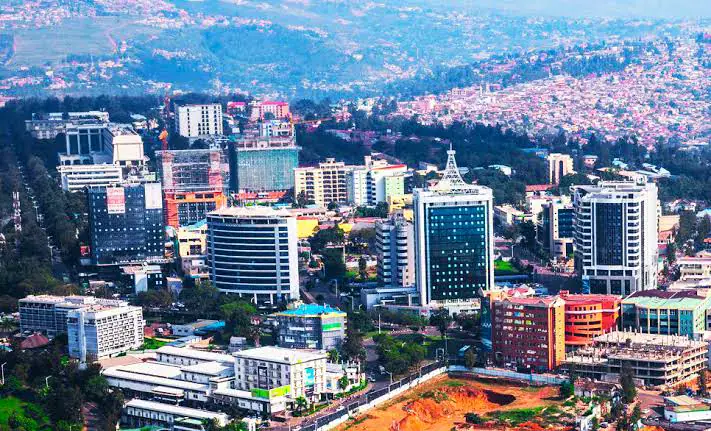
Rwanda is expected to experience significant economic growth in 2026, with a projected growth rate of 7.4%. This ranks the country eighth among 191 economies, according to the International Monetary Fund's (IMF) October outlook. The projected growth rate is more than twice the global average of 3.1%. Rwanda's growth is driven by multiple sectors, including industry, services, and agriculture.
The country's economic growth in the first half of 2026 was 9.7%, with all sectors contributing to this expansion. The industry sector experienced significant growth, with construction increasing by 24% and mining and quarrying by 26%. The services sector grew by 7%, while national statistics show that GDP grew by 9.4% year on year in the second quarter. This recent pace of growth is higher than the IMF's annual projection.
Rwanda's projected growth rate makes it the third-fastest-growing African economy, after South Sudan at 10.5% and Ethiopia at 9.2%. Other African countries, such as Uganda and Tanzania, are forecast to grow by 6.2% and 6.0%, respectively. The global leaders in economic growth are Guyana, with a projected growth rate of 22.3%, driven by expanding offshore oil production, and Taiwan, with a growth rate of 10.7%, buoyed by demand for advanced chips and AI infrastructure.
The IMF's projection for Rwanda is based on a comprehensive analysis of the country's economic performance and prospects. The country's economic growth is driven by a combination of factors, including investment, consumption, and exports. The government has implemented policies aimed at promoting economic growth, including investment in infrastructure and human capital.
Rwanda's economic growth has been driven by a range of sectors, including agriculture, industry, and services. The country has made significant progress in recent years in terms of economic development, with a growing services sector and a rapidly expanding industry sector. The country's economic growth has also been driven by a growing tourism sector.
The country's strong economic growth has significant implications for poverty reduction and job creation. The government has implemented policies aimed at reducing poverty and promoting economic inclusion, including initiatives to support small and medium-sized enterprises (SMEs) and to promote entrepreneurship. The country's economic growth is expected to have a positive impact on living standards and poverty reduction.
Rwanda's economic growth is expected to continue in the coming years, driven by a range of factors, including investment, consumption, and exports. The country's economic prospects are positive, with a growing economy and a range of opportunities for investment and trade. The government is expected to continue to implement policies aimed at promoting economic growth and reducing poverty.
Key points
- Rwanda is projected to grow by 7.4% in 2026, ranking eighth globally.
- The country's economic growth is driven by multiple sectors, including industry, services, and agriculture.
- Rwanda's growth rate makes it the third-fastest-growing African economy.