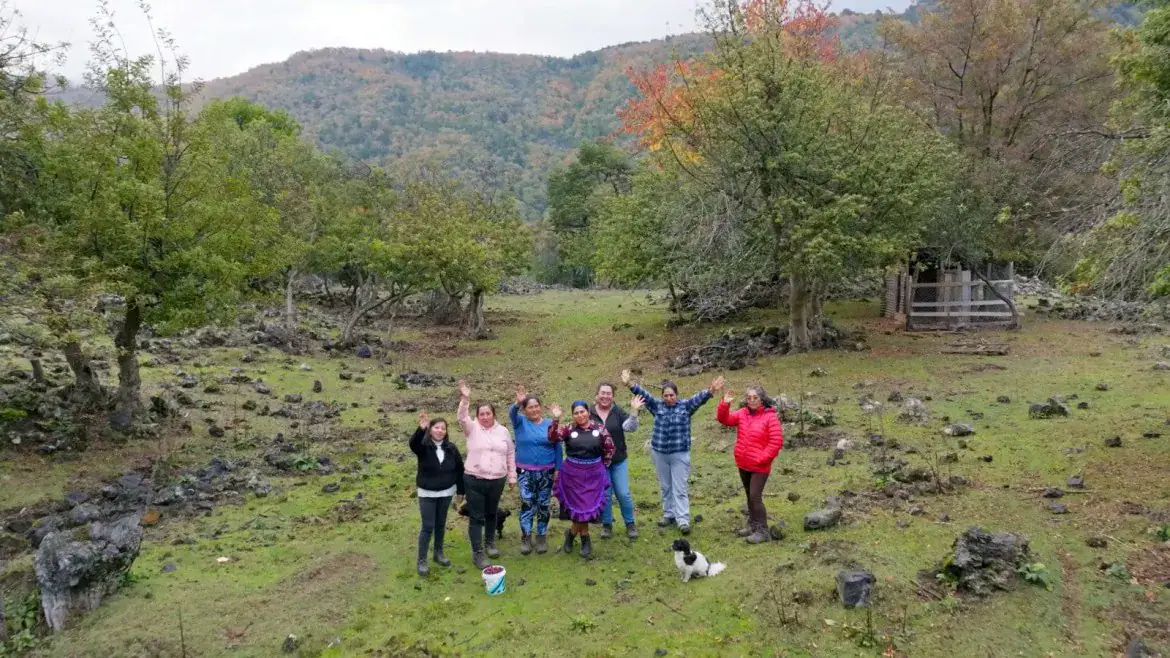
Chile has successfully reduced 4 million tons of carbon emissions from its native forests, earning the country over $15 million through the Forest Carbon Partnership Facility (FCPF). This initiative supports sustainable forest management and restoration activities across six regions, from Maule to Los Lagos. The funding is crucial for rural communities, providing them with new opportunities for jobs, income, and skills.
The $15 million payment demonstrates Chile's commitment to preserving and protecting biodiversity through sound management of native forests. According to Agriculture Minister Jaime Campos, this achievement reflects the Ministry of Agriculture and the National Forestry Corporation's dedication to sustainable forest management. This approach is particularly vital for rural areas facing prolonged drought, water scarcity, wildfires, and land degradation.
The Forest Carbon Partnership Facility (FCPF) has been instrumental in supporting Chile's sustainable forest management efforts. By receiving payments for emission reductions, Chile can channel resources directly to local communities, enabling them to develop skills and economic opportunities linked to forests. Aída Baldini, Executive Director of Chile's National Forest Corporation (CONAF), highlights the positive impact on local communities.
The funding has enabled local communities to specialize in highly delicate native forest management, with some becoming small business owners in this field. This development has contributed to stronger local economies and created new opportunities for rural communities. Chile's experience demonstrates how long-term public policy can translate into skills and income for rural areas.
Chile's progress reflects a sustained commitment to sustainable forest management over many years and across successive administrations. The country's approach serves as a model for other nations seeking to balance economic development with environmental protection. By creating economic opportunities while managing natural resources sustainably, communities can protect their livelihoods and become more resilient.
The value of Chile's emission reduction efforts extends beyond carbon benefits. The funding allows resources to reach communities, supporting activities that promote sustainable forest management and restoration. This, in turn, enhances the resilience of rural communities to a changing climate and fosters local economic growth.
As Chile continues to prioritize sustainable forest management, the country's experience is likely to inform international efforts to address climate change. With its commitment to long-term public policy and community development, Chile is demonstrating a viable approach to achieving a balance between economic growth and environmental protection.
Key points
- Chile received over $15 million for reducing 4 million tons of carbon emissions through sustainable forest management.
Reporting sources
- Chile Proved cutting down 4 million Tons of Emissions. Then they Got Paid · The Tanzania Times – News from Tanzania, Africa, World, Breaking News, Weather, Environment and Climate Change