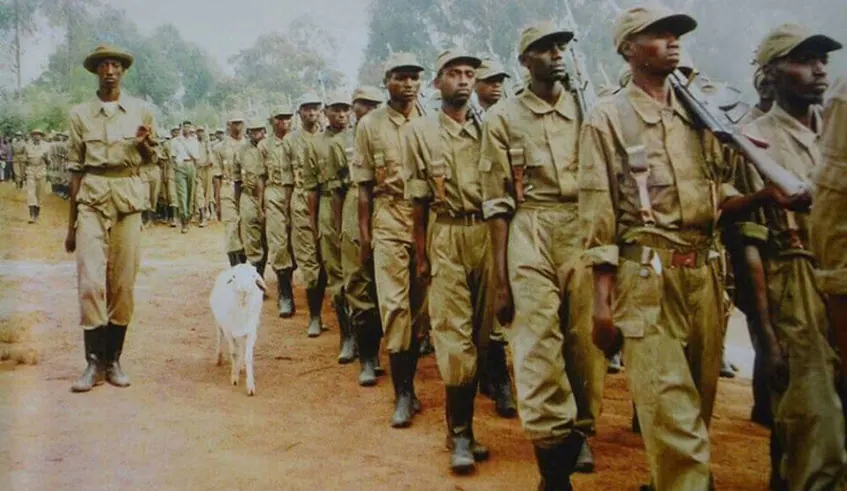
On October 1st, Rwanda commemorates Patriotism Day, a national holiday that honors the country's liberation and the values of patriotism, unity, and hard work. This day marks the beginning of the country's liberation struggle in 1990, which culminated in the defeat of the genocide perpetrators on July 4, 1994. Dr. Ndahiro James, a key figure in the liberation struggle, emphasized the significance of this day, highlighting the importance of preserving national values.
Dr. Ndahiro James noted that October 1st is a day to reflect on the country's history and the values that have defined its people. He stressed that the liberation struggle was characterized by extraordinary bravery, selflessness, and patriotism, which ultimately led to the country's freedom. The day serves as a reminder to Rwandans to continue upholding these values and to work towards the country's development.
The National Commission for the Fight Against Genocide and the Promotion of National Values, Unity, and Reconciliation, known as CHENO, has called on Rwandans to mark this day with dignity and patriotism. In a statement, the commission emphasized the importance of preserving national values, including patriotism, unity, and hard work. Rwandans are encouraged to reflect on their history and to continue promoting these values.
The concept of patriotism is deeply ingrained in Rwandan culture and history. Before colonialism, Rwandans were known for their bravery and selflessness in defending their country. During the colonial era and subsequent periods, Rwandans continued to demonstrate their patriotism, often at great personal cost. This value has been passed down through generations and remains an essential part of Rwandan identity.
The liberation struggle that began on October 1, 1990, was a defining moment in Rwanda's history, marked by extraordinary bravery and selflessness. The struggle, which ended on July 4, 1994, resulted in the defeat of the genocide perpetrators and the restoration of peace and stability in the country. Dr. Ndahiro James emphasized that this struggle was characterized by a strong sense of patriotism and unity among Rwandans.
The Rwandan government has encouraged citizens to continue promoting national values, including patriotism, unity, and hard work. The government has also emphasized the importance of preserving the country's history and cultural heritage. On Patriotism Day, Rwandans are encouraged to reflect on their history and to reaffirm their commitment to these values.
As Rwanda continues to develop and grow, the government and citizens alike are committed to upholding the values of patriotism, unity, and hard work. The country's history serves as a reminder of the importance of these values, and Rwandans are encouraged to continue promoting them as they work towards a brighter future.
Key points
- The liberation struggle that began on October 1, 1990, was a defining moment in Rwanda's history, marked by extraordinary bravery and selflessness.
- The concept of patriotism is deeply ingrained in Rwandan culture and history, and is considered an essential part of Rwandan identity.
- On Patriotism Day, Rwandans are encouraged to reflect on their history and to reaffirm their commitment to national values, including patriotism, unity, and hard work.