A recent report by Mastercard Foundation has commended Rwanda's initiative to help students catch up on lost learning due to the COVID-19 pandemic. The report, titled Secondary Education in Africa: Expanding Pathways to Work, Livelihoods, and Lifelong Learning, highlights Rwanda's program to assess students' learning gaps and provide extra classes. This initiative has shown promising results, with a notable decrease in student absenteeism in schools that implemented the program effectively.
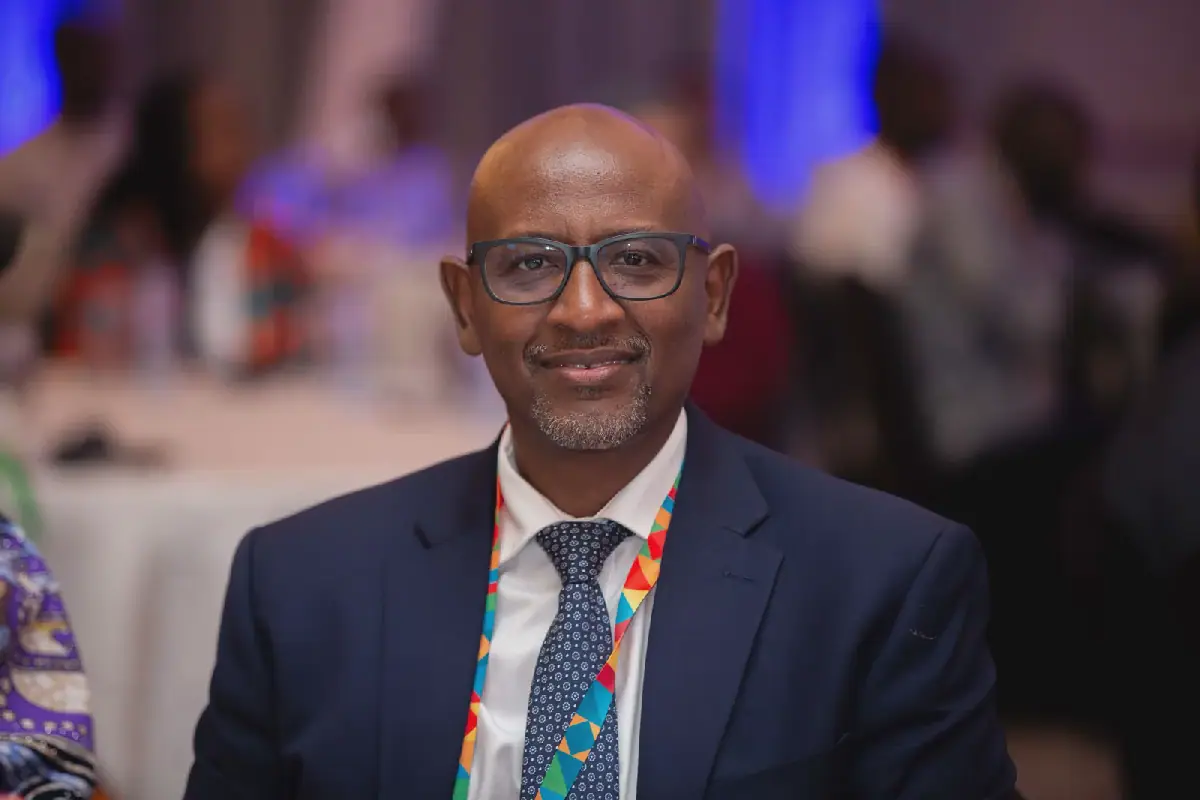
Rwanda is one of seven countries where in-depth research was conducted for the report, and its youth population played a significant role in the research. The report's findings emphasize that secondary education must equip young people with relevant skills to access better job opportunities. According to Sewit Ahderom, President and CEO of Mastercard Foundation, secondary education is often the last chance for many African youth to acquire essential skills.
The report praises Rwanda's efforts to integrate computer programming and artificial intelligence into its education system. In July 2025, the Ministry of Education and the National Education Board launched a national program to introduce AI into ICT curricula in primary and secondary schools. The Rwanda Coding Academy also trains students in computer programming and software engineering. These initiatives are seen as crucial steps forward, especially given that only two countries in sub-Saharan Africa have fully incorporated AI into their curricula.
Eunice Muthengi, Director of Research and Evaluation at Mastercard Foundation, stresses that education must be continuous and supportive at every stage. She notes that technology can be a powerful tool for change, but it must be used effectively and not replace teachers. Instead, technology should enhance teachers' capabilities and provide them with the necessary training and support.
The report also highlights Rwanda's efforts to promote eco-schools, which aim to educate students about climate change through hands-on activities. This initiative, launched in 2020, is a collaboration between the National Education Board, the Rwanda Environment Management Authority, and the Albertine Rift Conservation Society. By integrating environmental education into the curriculum, Rwanda aims to equip students with the knowledge and skills needed to address environmental challenges.
Teachers are seen as essential to the success of these initiatives. Rwanda is currently reforming its teacher training programs to align with its competency-based curriculum. The report emphasizes that no education program can succeed without the support of well-trained and motivated teachers. Ahderom notes that teachers are crucial in translating written policies into practical experiences for students.
The report's findings and recommendations have significant implications for education policy in Africa. As Minister of Education Joseph Nsengimana notes, traditional education systems alone cannot provide equal opportunities for all. Governments must be willing to experiment with innovative approaches to education that are flexible and accessible. By doing so, they can create a more inclusive and effective education system that prepares students for the challenges of the 21st century.
Key points
- Rwanda's education system is being recognized for its innovative approaches to integrating technology and environmental education.
- The Mastercard Foundation report highlights the importance of teacher training and support in implementing new education initiatives.
- Rwanda's efforts to address learning gaps and promote STEM education have been praised as a model for other African countries.
Reporting sources
- U Rwanda rweretse Afurika urugendo rw’uburezi mu kuziba icyuho mu isi y’ubwenge buhangano · https://www.kigalitoday.com/