Somalia's healthcare system has been dealt a significant blow with the closure of nearly 400 health facilities and several mobile medical units across the country. The closures are a direct result of the withdrawal of funding from the United States Agency for International Development (USAID), according to Somalia's health minister, Ali Haji Adan. The minister made the announcement on November 23 in Mogadishu.
The affected health facilities had relied heavily on humanitarian assistance to provide medical care to communities with limited access to permanent healthcare facilities. The loss of US funding has particularly affected health facilities operating through humanitarian programs and mobile medical teams. Minister Adan warned that Somalia's healthcare system remains vulnerable to changes in international assistance, as a significant portion of community-level health services is financed by foreign donors.
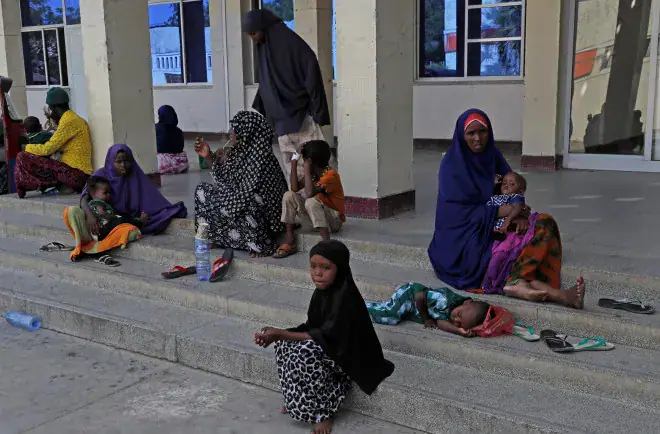
The closures have raised concerns about the continuity of essential healthcare services, particularly in rural areas and communities displaced by conflict and climate-related disasters. Somalia depends heavily on donor-supported health programs to provide services such as maternal and child healthcare, vaccinations, disease prevention, and treatment. The country's healthcare system is already fragile and is facing multiple humanitarian challenges, including recurring droughts, food insecurity, population displacement, and outbreaks of preventable diseases.
Minister Adan did not provide specific details on the regions or districts where the facilities had closed or provide figures showing how many people had lost access to healthcare. However, he mentioned that nearly 600 other health facilities supported through longer-term health development programs remain operational across the country. He expressed hope that those facilities would continue delivering essential services despite the financial challenges affecting Somalia's health sector.
International humanitarian organizations have warned that reductions in foreign assistance are placing increasing pressure on Somalia's already fragile healthcare system. Funding shortages have raised concerns about the continuity of essential healthcare services, as humanitarian organizations face growing financial constraints. The Somali government has not announced an emergency funding plan to reopen the affected facilities or provide a timetable for restoring services.
The health minister's remarks come at a time when Somalia is facing significant humanitarian challenges. The country is struggling with recurring droughts, food insecurity, population displacement, and outbreaks of preventable diseases. The closure of nearly 400 health facilities is likely to exacerbate these challenges and leave vulnerable communities without access to essential healthcare services.
The situation highlights the need for Somalia to develop a more sustainable healthcare system that is less dependent on international donors. The country's healthcare system must be able to withstand changes in foreign assistance and provide essential services to communities in need. The Somali government and international humanitarian organizations must work together to address the funding shortages and ensure the continuity of essential healthcare services.
Key points
- Nearly 400 health facilities in Somalia have closed due to US aid cuts, leaving vulnerable communities without access to essential healthcare services.
- Somalia's healthcare system is heavily dependent on international donors and remains vulnerable to changes in foreign assistance.
- The closures have raised concerns about the continuity of essential healthcare services, particularly in rural areas and communities displaced by conflict and climate-related disasters.