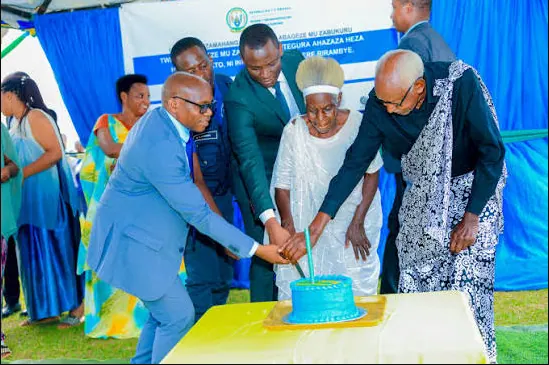
The world commemorates the International Day of Older Persons on October 1st every year. This year's theme, "The Age of Longevity: Rethinking Systems for Longer Lives," emphasizes the need for governments to rethink their systems to ensure that people can live longer, healthier, and more dignified lives. The day was first observed in 1991, following a resolution by the United Nations General Assembly in 1990. The UN notes that the number of people aged 60 and above is expected to increase from 1.2 billion in 2025 to 2.1 billion by 2050.
In Rwanda, the life expectancy has increased to nearly 70 years, driven by improvements in healthcare, disease prevention, sanitation, and living standards. While this is a positive trend, the government acknowledges that it also presents new challenges, particularly in ensuring that older persons have access to social protection, healthcare, and economic opportunities. To address these challenges, Rwanda has developed a National Older Persons Policy, which aims to promote the well-being, rights, and participation of older persons.
The policy is aligned with Rwanda's Constitution, which emphasizes the state's responsibility to protect vulnerable populations, including older persons. The government has also launched several initiatives to support older persons, including the Old Age Grant, which provides financial assistance to vulnerable older persons, and the Vision Umurenge Programme (VUP), which aims to reduce poverty and promote economic empowerment.
Rwanda's social security system also provides pension benefits to older persons who have contributed to the system for at least 15 years. The Rwanda Social Security Board (RSSB) administers the pension scheme, which provides a monthly stipend to eligible beneficiaries. In 2025, the government increased the contribution rate to the pension scheme from 6% to 12% of the basic salary, to ensure the sustainability of the scheme.
The government has also emphasized the importance of community-based healthcare, including the Mutuelle de Santé, a health insurance scheme that provides access to healthcare services for vulnerable populations, including older persons. The Ministry of Local Government (MINALOC) has highlighted the need for a comprehensive approach to address the challenges facing older persons, including poverty, lack of access to healthcare, and social isolation.
A parliamentary committee has conducted an assessment of the implementation of the National Older Persons Policy, highlighting the need for increased funding and resources to support older persons. The committee also emphasized the importance of promoting the participation of older persons in decision-making processes and ensuring that their rights are respected.
As Rwanda joins the global community in marking the International Day of Older Persons, the government has reiterated its commitment to promoting the well-being and dignity of older persons. The theme of this year's celebration, "Longevity as a Development Opportunity," emphasizes the need for governments to rethink their systems to ensure that older persons can live longer, healthier, and more productive lives.
Key points
- The International Day of Older Persons highlights the need for governments to address the challenges and opportunities of an ageing population.
- Rwanda has developed a National Older Persons Policy to promote the well-being, rights, and participation of older persons.
- The government has launched several initiatives to support older persons, including the Old Age Grant and the Vision Umurenge Programme.