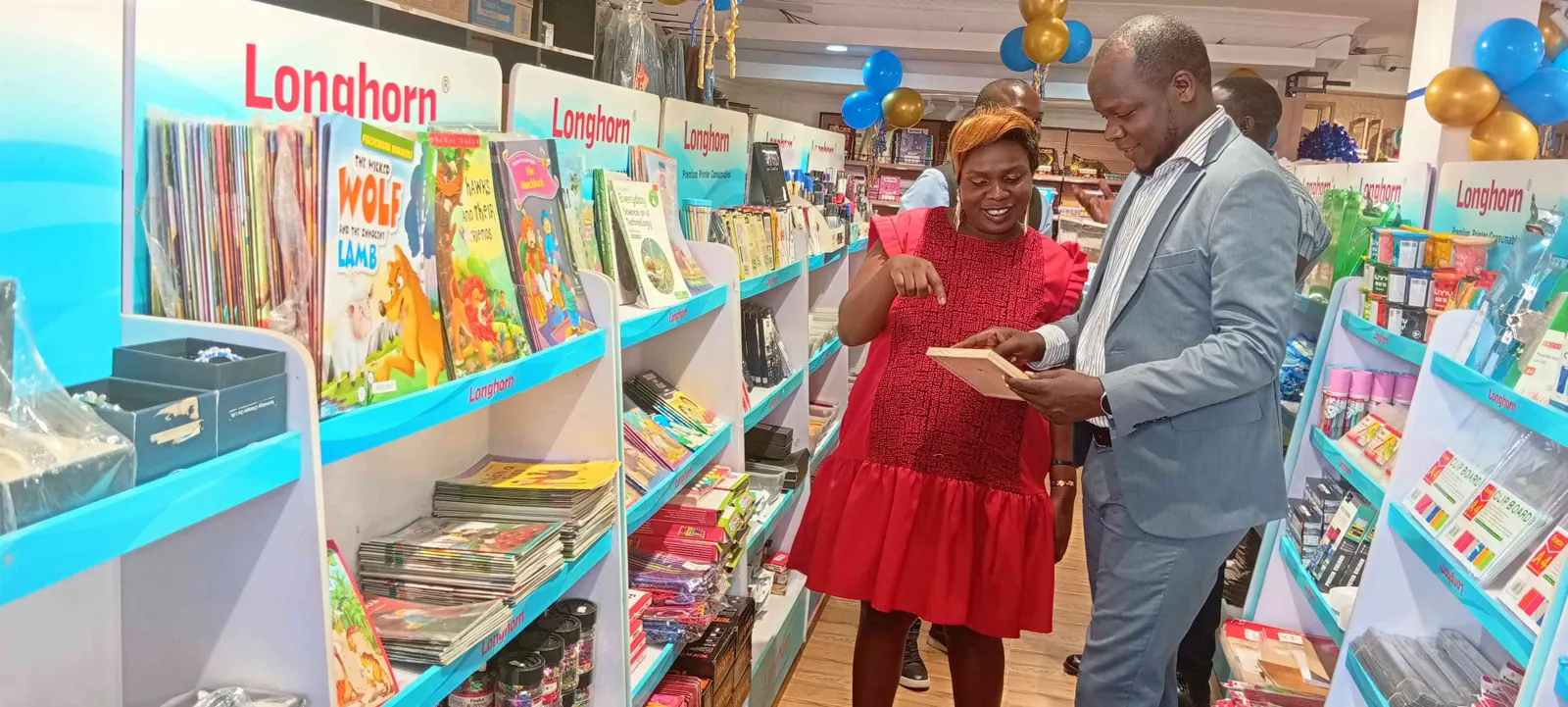
Book sellers in Homa Bay County, Kenya, are expressing concerns over the influx of counterfeit books on the streets and sudden changes to the academic syllabus. The concerns were raised during the five-year celebration of ABL, a books and stationery supplier in Homa Bay Town. Book sellers argue that counterfeit books do not meet the standards intended by publishers and may mislead the public by exposing students to reading the wrong books.
Makaya Margaret, the Chief Executive Officer of ABL, emphasized the need for a proper channel of book distribution to ensure authenticity. She noted that book sellers often encounter counterfeit books on the streets, which is injurious to their business. Margaret called for government intervention to regulate the book distribution channel and prevent counterfeit books from entering the market.
Alexander Omondi, a bookseller, expressed concerns over individuals printing textbooks and selling them on the streets. He argued that such businesses should be thwarted to ensure Kenyans get quality books. Omondi noted that counterfeit books are often of poor quality and can deceive parents who are not aware of the differences.
Omondi also expressed concerns over sudden changes to the academic syllabus in Kenya. He argued that the sudden change of syllabus without book sellers' knowledge leaves them with dead stock. Omondi appealed to government agencies to inform book sellers whenever a change of syllabus is looming, allowing them to prepare and adjust their stock accordingly.
Homa Bay Town East MCA Erick Omollo supported the book sellers' concerns, urging the government to protect book consumers from counterfeit products. He argued that it would be wrong if Kenyans consume the wrong books because of people who want to make money unfairly. Omollo called for proper strategies to deal with counterfeit books and promote local investors.
Elijah Otieno, a bodaboda rider, noted that promoting local book sellers also cushions residents from expenses traveling long distances to look for books. He cited an example of how residents in Homa Bay town can now buy textbooks from ABL, saving them a two-and-a-half-hour journey to Kisii town.
The book sellers' concerns highlight the need for government intervention to regulate the book distribution channel and prevent counterfeit books from entering the market. The issue also underscores the importance of supporting local investors and promoting job creation in the education sector.
Key points
- Book sellers in Homa Bay County, Kenya, are calling for government intervention to regulate the book distribution channel and prevent counterfeit books from entering the market.
- Counterfeit books often do not meet the standards intended by publishers and may mislead the public by exposing students to reading the wrong books.
- Sudden changes to the academic syllabus without book sellers' knowledge can leave them with dead stock, highlighting the need for government agencies to inform book sellers of any changes.