The Supreme Court of Rwanda has introduced new guidelines for handling cases involving minors, aiming to better protect their rights and prevent harm. The guidelines, signed by Chief Justice Domitilla Mukantaganzwa, were published in the Official Gazette on October 1, 2026, and will take effect on November 1, 2026. The new rules apply to individuals under the age of 18, including children accused of crimes, victims, and those involved in family disputes.
The guidelines provide for special considerations in the handling of juvenile cases, including the designation of specific courts and judges with expertise in juvenile justice. Courts will be required to set aside specific days for hearing cases involving minors, whenever possible. Additionally, judges and prosecutors will receive specialized training to prepare them for handling these cases.
Before a juvenile case is heard, a detailed report on the child's background and circumstances will be required. This report, which will be included in the case file, will cover the child's history, family, education, and health, as well as any previous assessments or evaluations. The report will also provide recommendations for supporting the child's rehabilitation and reintegration into society.
A pre-trial meeting will be held to review the case file and determine whether the child is ready for trial. This meeting may be conducted using technology, and its purpose will be to ensure that the child's rights are protected and that the trial is conducted fairly. During the trial, judges, prosecutors, and defense lawyers will not wear formal attire, and will be required to use language that the child can understand.
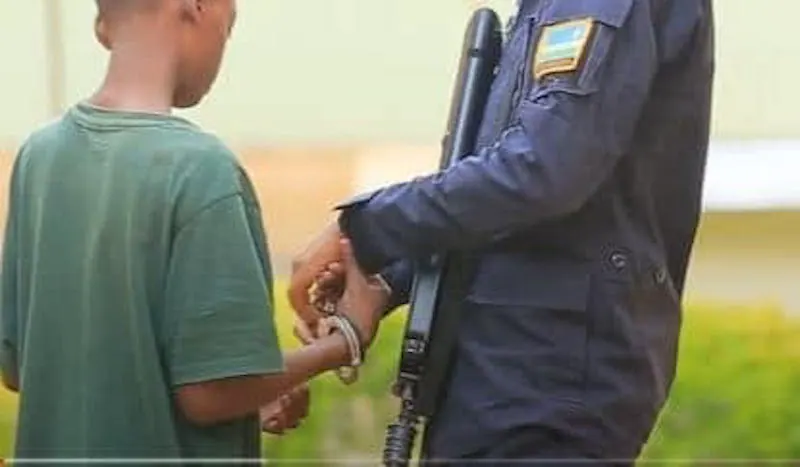
The guidelines also provide for the separation of children from adults during court proceedings and while in custody. Children will be held in separate facilities, and will be accompanied by a trusted adult, if necessary. Furthermore, the identities of children involved in court cases will not be disclosed publicly, and those involved in the case will be required to maintain confidentiality.
The new guidelines prioritize the rehabilitation and reintegration of children into society, rather than simply imposing punishment. Courts will be encouraged to explore alternative solutions, such as mediation and reconciliation, and to consider the individual needs and circumstances of each child when making decisions.
The introduction of these guidelines is aimed at ensuring that juvenile justice in Rwanda is handled in a speedy and specialized manner, while upholding the rights, safety, and well-being of children throughout the process. The guidelines will come into effect on November 1, 2026, and are expected to improve the handling of juvenile cases in Rwanda.
Key points
- The new guidelines prioritize the rehabilitation and reintegration of children into society.
- Judges and prosecutors will receive specialized training to handle juvenile cases.
- The identities of children involved in court cases will not be disclosed publicly.