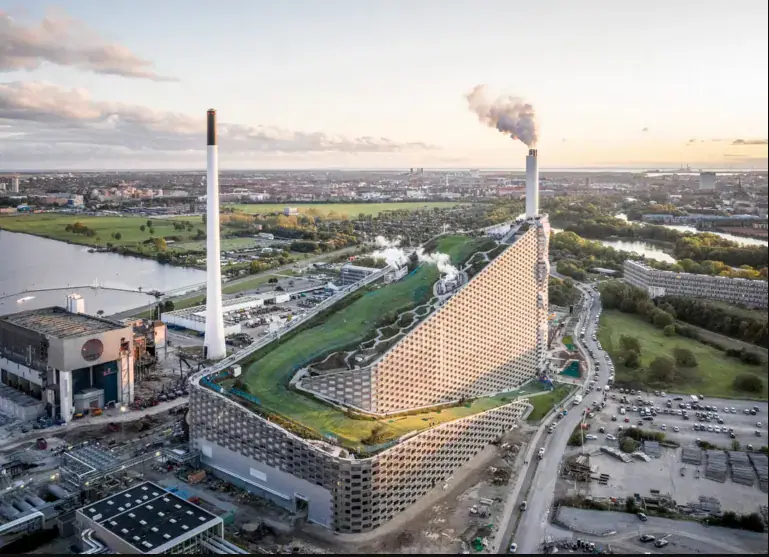
Rwanda's Minister of Foreign Affairs and Cooperation, Olivier Jean Patrick Nduhungirehe, recently visited Denmark's CopenHill waste-to-energy plant in Copenhagen to learn about innovative waste management technology. The plant showcases Denmark's circular economy approach, where waste materials are converted into valuable resources. CopenHill is a prime example of how waste management challenges can be turned into opportunities for sustainable development, combining technology, environmental protection, and resource production.
CopenHill demonstrates a unique approach to waste management, where waste is converted into energy, reducing the amount of waste sent to landfills and generating electricity and heat. This approach can help countries like Rwanda address their growing waste management needs, particularly in urban areas where waste generation is increasing rapidly. With Rwanda's population and urban areas growing, the country faces significant challenges in managing waste from households, markets, hotels, and industries.
The CopenHill plant is a model for sustainable waste management, and Rwanda can learn from Denmark's experience in implementing circular economy principles. Rwanda has already taken steps to promote sustainable development, including launching its National Circular Economy Action Plan in 2022, which aims to reduce waste and promote resource efficiency. The plan includes strategies for waste reduction, reuse, and recycling, as well as the development of waste-to-energy technologies.
To implement similar waste-to-energy technologies in Rwanda, several factors need to be considered, including the type and quantity of waste generated, the cost of infrastructure, and the technical capacity required. Effective waste management also requires the separation of recyclable and non-recyclable waste to prevent contamination and ensure that waste is properly treated. Rwanda's government has introduced regulations on urban waste management, which include provisions for waste-to-energy conversion and biogas production.
The adoption of waste-to-energy technologies in Rwanda could have numerous benefits, including reduced greenhouse gas emissions, increased energy production, and job creation. The development of waste management infrastructure could also attract investment and create new economic opportunities. Furthermore, effective waste management is essential for protecting public health and the environment, as poor waste management practices can lead to the spread of diseases and pollution.
Rwanda's exploration of waste-to-energy technologies is part of a broader effort to promote sustainable development and address the challenges of climate change. The country's commitment to reducing waste and promoting resource efficiency is reflected in its National Circular Economy Action Plan, which aims to create a more sustainable and environmentally friendly economy. By learning from Denmark's experience and adapting waste-to-energy technologies to Rwanda's context, the country can make significant progress in addressing its waste management challenges.
The visit by Minister Nduhungirehe to CopenHill highlights the importance of international cooperation and knowledge sharing in addressing global challenges like waste management. By exploring innovative solutions like waste-to-energy technologies, Rwanda can develop more effective and sustainable approaches to waste management, which can have positive impacts on the environment, public health, and the economy. Key initiatives like CopenHill demonstrate that waste management can be a key sector for sustainable development and cooperation.
Key points
- Rwanda's Minister of Foreign Affairs and Cooperation visits Denmark's CopenHill waste-to-energy plant to explore sustainable waste management solutions.
- CopenHill demonstrates a unique approach to waste management, where waste is converted into energy, reducing the amount of waste sent to landfills and generating electricity and heat.
- The adoption of waste-to-energy technologies in Rwanda could have numerous benefits, including reduced greenhouse gas emissions, increased energy production, and job creation.
Reporting sources
- MU MAHANGA 23 NOV, 16:53 U Rwanda rushobora kubyaza imyanda ingufu rugendeye ku bunararibonye bwa Danemark · https://www.kigalitoday.com/