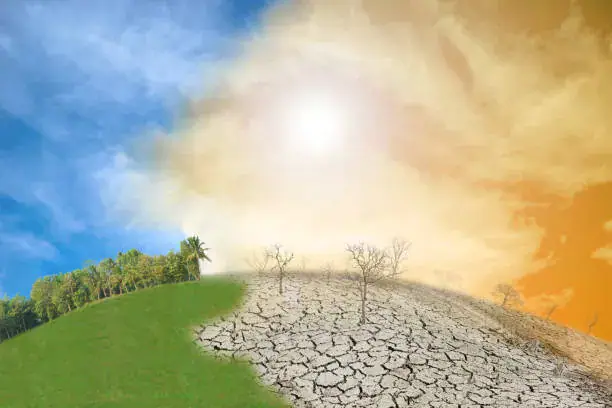
The El Niño weather phenomenon is expected to have a significant impact on Rwanda, with heavy rainfall and strong winds forecasted to hit the country. According to the World Meteorological Organization (WMO), El Niño is likely to reach its peak by the end of 2026 and persist until January 2027. This has prompted the Rwandan government to take measures to mitigate the effects of the impending disaster. The country's meteorological agency, Meteo Rwanda, has warned that heavy rainfall is expected to fall between September and December 2026.
El Niño is a natural climate phenomenon that occurs when the surface temperature of the Pacific Ocean warms up more than usual. This warming of the ocean water can have significant effects on global weather patterns, leading to droughts in some areas and heavy rainfall in others. In Rwanda, the effects of El Niño are expected to be felt in the form of heavy rainfall, landslides, and strong winds. The government has warned that these weather conditions could lead to significant damage to infrastructure, homes, and crops.
The Rwandan government has taken steps to prepare for the impending disaster. The Ministry of Emergency Management (MINEMA) has increased its preparedness measures, including relocating over 4,785 households to safer areas and providing emergency supplies to affected communities. The government has also set up 14 emergency camps in nine districts to provide shelter and assistance to those affected by the disaster. Additionally, MINEMA has conducted a simulation exercise with the World Bank to test its response to a potential disaster.
The effects of El Niño are not limited to Rwanda, as the phenomenon is expected to have a global impact. According to the United Nations Secretary-General, António Guterres, El Niño is already having a significant impact on global weather patterns, leading to increased temperatures, droughts, and heavy rainfall. Guterres has warned that the effects of El Niño will be felt for years to come and has called for increased investment in disaster preparedness and response.
In Rwanda, the government is urging citizens to take precautions to minimize the impact of the impending disaster. MINEMA has called on citizens to clear drainage channels, maintain their homes, and avoid living in areas prone to landslides. The government has also urged citizens to stay informed about weather conditions and to follow evacuation orders in case of an emergency.
The El Niño phenomenon is expected to have a significant impact on Rwanda's agriculture sector, which is a major contributor to the country's economy. Heavy rainfall and strong winds could lead to significant damage to crops, leading to food shortages and economic losses. The government has urged farmers to take precautions to protect their crops and to seek assistance from agricultural experts.
The Rwandan government has requested $86.2 million in funding to support its disaster preparedness and response efforts. The funds will be used to support the relocation of households, provide emergency supplies, and repair damaged infrastructure. The government has also called on international partners to provide support to its disaster response efforts.
Key points
- The El Niño phenomenon is expected to have a significant impact on Rwanda, with heavy rainfall and strong winds forecasted to hit the country.
- The Rwandan government has taken steps to prepare for the impending disaster, including relocating households and setting up emergency camps.
- The effects of El Niño are not limited to Rwanda, as the phenomenon is expected to have a global impact, leading to increased temperatures, droughts, and heavy rainfall.
Reporting sources
- Sobanukirwa El Niño igihe cyitezweho ibiza · Imvaho Nshya