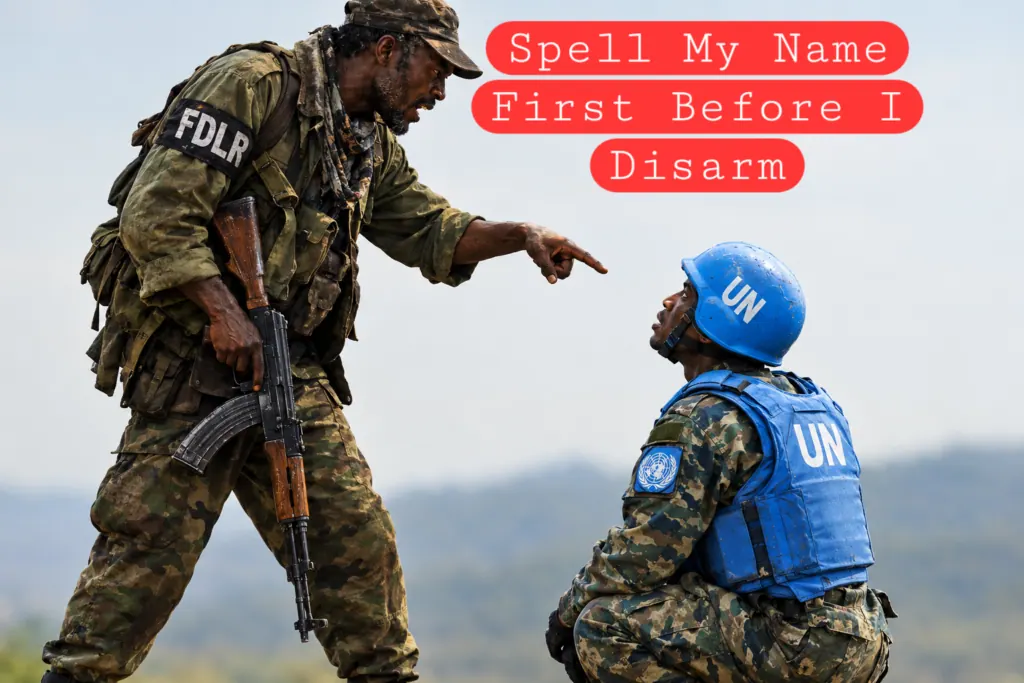
The Rwandan government has firmly stated that the Forces démocratiques de libération du Rwanda (FDLR) cannot dictate the terms of its neutralization. This assertion comes as the international community engages with the Democratic Republic of Congo (DRC) on the disarmament of the genocidal militia. According to Rwanda, the FDLR's neutralization is a critical security concern in the Great Lakes region. The group, responsible for the 1994 genocide against the Tutsi in Rwanda, has been a thorn in the region's security for decades.
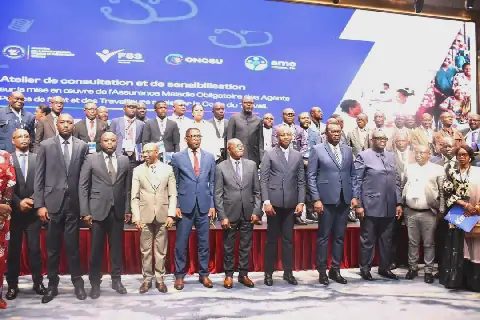
The Washington Accords, signed under the Trump administration, aim to neutralize the FDLR in eastern DRC. However, Kinshasa's approach to disarmament has raised concerns in Rwanda. The DRC's Minister, Floribert Anzuluni Isiloketshi, has undertaken diplomatic tours to mobilize support for the FDLR's voluntary disarmament, accompanied by the group's preconditions for its future participation in Rwanda's politics. Rwanda finds this development unacceptable, emphasizing that there is no place for a genocidal group in its politics.
The FDLR's neutralization is part of broader security commitments between Rwanda and the DRC. The objective is not only to encourage individual combatants to surrender but to dismantle the group's military structures, confiscate its weapons, and eliminate its capacity to operate as an armed organization. Rwanda stresses that the success of the neutralization process should be measured by tangible outcomes on the ground, such as the disbandment of the FDLR's military structures and the confiscation of its weapons.
The international community has repeatedly called for the FDLR's disarmament and neutralization due to its history of atrocities. The group's emergence from the forces responsible for the 1994 genocide against the Tutsi in Rwanda has made its neutralization a priority for Rwanda's security. The Washington Accords must be understood within this broader security context, with responsibility for implementation resting with the parties that signed them, not the FDLR itself.
Rwanda warns that if the process shifts from asking how and when the FDLR will be neutralized to under what conditions it will agree to surrender, the peace deal risks collapse. Diplomacy, Rwanda asserts, should facilitate the implementation of existing agreements, not redefine Kinshasa's obligations. The focus should be on measurable outcomes, such as the whereabouts of FDLR combatants, their weapons, and command structures.
The regional diplomatic efforts surrounding the FDLR should be judged by their tangible results on the ground. While diplomatic tours, statements, and negotiated protocols are underway, none of these actions, by themselves, neutralizes an armed organization. The international community should prioritize concrete actions that demonstrate the dismantling of the FDLR's capabilities.
Ultimately, Rwanda emphasizes that under no circumstances can the FDLR dictate the terms of its own dismantling if the President Trump peace deal is to remain viable. The international community must focus on ensuring the FDLR's neutralization according to the commitments already undertaken, rather than acquiescing to the group's demands.
Key points
- FDLR's neutralization is critical for regional security
- Rwanda rejects FDLR's preconditions for disarmament
- International community must focus on tangible outcomes