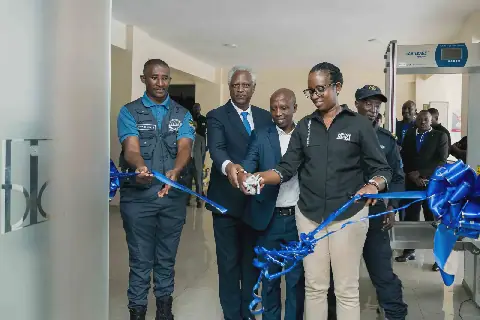
Rwanda and Uganda have embarked on a joint three-day exercise to enhance the capacity of health workers and border officials to respond to health emergencies and other crises at the Gatuna border. The exercise, scheduled from November 10 to 12, 2026, aims to strengthen collaboration and coordination between the two countries in responding to health emergencies. The drill will focus on testing the response of health and other officials to simulated health emergencies.
The exercise is being organized by the Ministries of Health of Uganda and Rwanda, in collaboration with various partners. According to a statement released by the Ugandan Ministry of Health on November 8, 2026, the drill will simulate various health emergency scenarios to test the preparedness and response of health workers and border officials. The ministry emphasized that the exercise is part of a training program and should not be misconstrued as an indication of an actual health emergency.
During the exercise, health workers and officials from various sectors will simulate response to health emergencies, allowing local communities and travelers to observe the drill. The Ugandan Ministry of Health has urged the public to cooperate with the exercise and follow instructions from officials participating in the drill. The exercise aims to improve the sharing of information, coordination of response efforts, and referral of patients to appropriate health facilities.
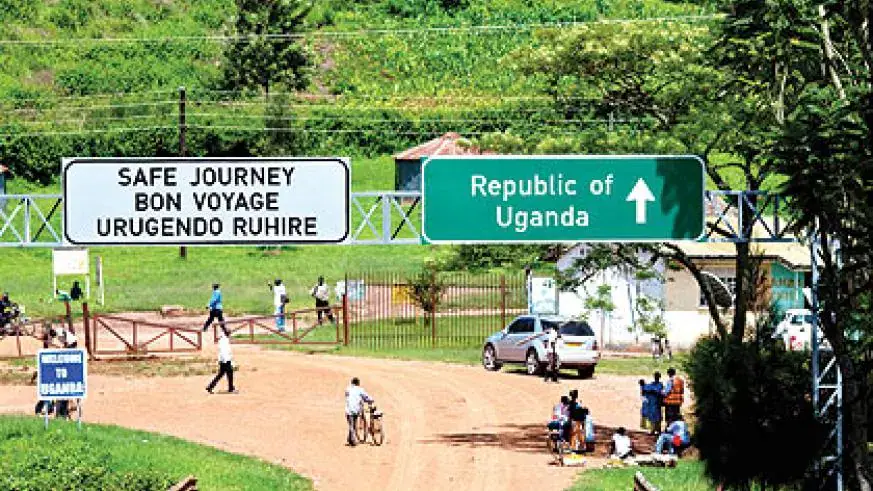
The Gatuna border, also known as Katuna, is a major crossing point between Rwanda and Uganda, with a significant flow of travelers and goods. The exercise will involve health workers and officials from various sectors operating at the border, simulating response to health emergencies and testing their preparedness. The drill is expected to enhance the capacity of the two countries to respond to health crises and maintain the free flow of people and goods across the border.
The joint exercise is part of efforts by Rwanda and Uganda to strengthen their preparedness and response to health emergencies. The two countries aim to improve collaboration and coordination between health workers and border officials to respond quickly and effectively to health crises. The exercise will also contribute to maintaining the security and stability of the border.
Prof. Charles Olaro, Director General of Health Services at the Ugandan Ministry of Health, signed the statement, expressing appreciation to health workers, partners, and security agencies for their role in enhancing the countries' preparedness and response to health emergencies. The exercise is a significant step towards strengthening the health security of the two countries and the region.
The joint health emergency response drill at the Gatuna border is a critical initiative to enhance the preparedness and response of Rwanda and Uganda to health crises. The exercise will help identify areas for improvement and strengthen collaboration between health workers and border officials. Key aspects of the exercise include testing response to simulated health emergencies, improving information sharing, and enhancing coordination between sectors.
Key points
- The exercise aims to enhance the capacity of health workers and border officials to respond to health emergencies and maintain the free flow of people and goods across the border.