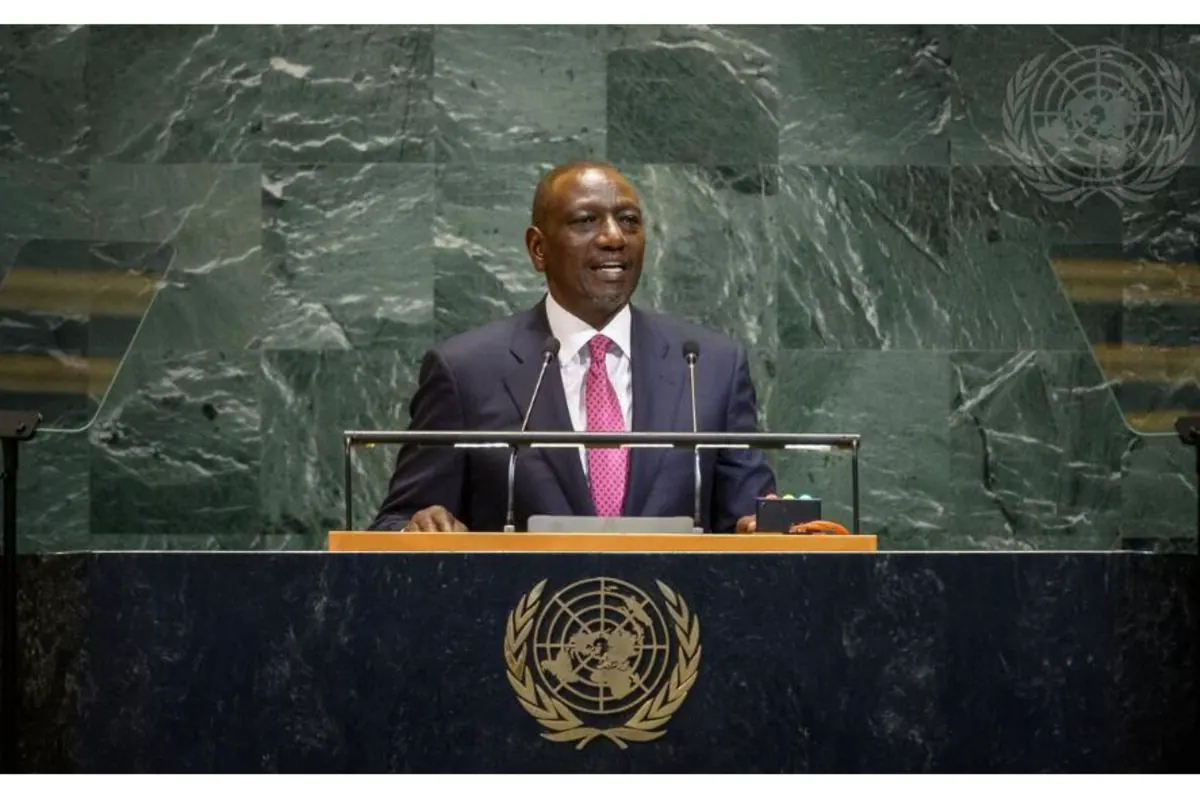
Kenyan President William Ruto has emphasized the need for African countries to establish trusted systems that enable the free movement of skills, qualifications, and work experience across borders. Speaking in New York on September 22, 2026, during the Accra Reset's Full Circle gathering, President Ruto highlighted Kenya's lead role in implementing the digital skills mobility, or Masterkey, corridor under the Accra Reset. This initiative aims to remove barriers preventing talent from moving to where it is most needed.
The Masterkey corridor seeks to provide digital infrastructure for people to securely hold and share verified records of skills, qualifications, and work experience across borders. President Ruto explained that the principle behind Masterkey is simple: talent should be portable, skills should be trusted, and opportunities should cross borders. He emphasized that qualifications issued in one African country should be verifiable in another, allowing workers to compete using trusted evidence. For instance, a qualification or work record issued in Nairobi should be verified in Kigali and ultimately wherever opportunity exists.
To ensure the credibility and security of the Masterkey initiative, President Ruto stressed the importance of protecting privacy and cyber security. Records must come from authorised institutions, and citizens should control access to their records and correct errors. Additionally, workers should be protected against fraud, exploitation, and discrimination. President Ruto clarified that Masterkey would not itself award jobs, visas, or professional recognition, as those decisions would remain with employers and competent authorities.
The Masterkey initiative is part of Africa's wider technological ambitions, including access to computing power, trusted data, reliable energy, and research capability. President Ruto called for cooperation among governments, companies, and institutions, stating that no country will build every layer alone. He also emphasized that Africans are not merely consumers of technology but also workers, researchers, entrepreneurs, innovators, and creators whose talent, data, and ideas contribute to the global technology economy.
President Ruto linked the Masterkey initiative to the Accra Reset, which was launched on the sidelines of the United Nations General Assembly one year prior to the New York gathering. The Accra Reset Presidential Council describes Masterkey as an initiative that seeks to remove barriers preventing talent from moving to where it is most needed. A French Government representative thanked those guiding the process and called for continued cooperation.
The practical test of Masterkey's success, according to President Ruto, will be whether records issued in one country are recognised in another and create opportunities for African citizens. He stated that if they can answer those questions with evidence, they will have moved from dialogue to delivery. The implementation of Masterkey in Kenya marks a significant step towards achieving this goal.
In conclusion, President Ruto's call for Africa to make talent portable across borders highlights the need for a coordinated approach to skills mobility. The Masterkey initiative has the potential to unlock opportunities for African citizens and promote economic growth. As Africa continues to play a greater role in technology development and governance, initiatives like Masterkey will be crucial in harnessing the continent's talent and creativity.
Key points
- African countries need trusted systems to allow skills, qualifications, and work experience to move across borders.
- The Masterkey initiative aims to provide digital infrastructure for people to securely hold and share verified records of skills, qualifications, and work experience across borders.
- The success of Masterkey will depend on its ability to create opportunities for African citizens and promote economic growth.