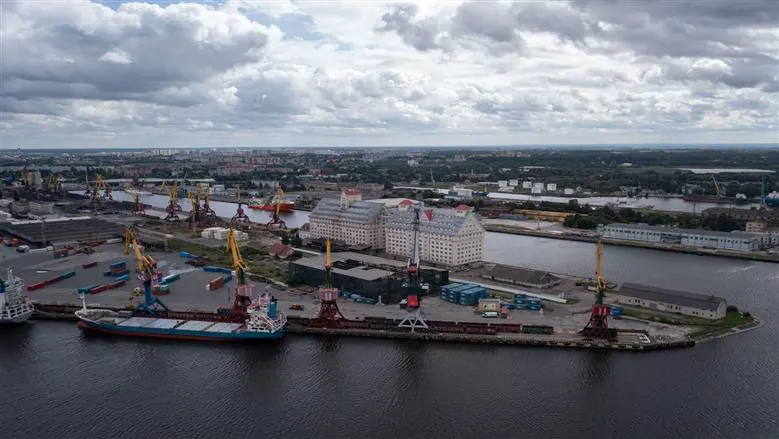
Russia has warned that it may use all its military capabilities, including nuclear weapons, if NATO countries attempt to isolate Kaliningrad from the rest of Russian territory. This warning highlights the strategic and military importance of the region, located on the Baltic Sea. Kaliningrad is a sensitive point in relations between Russia and NATO due to its geographical location and military capabilities.
Kaliningrad is situated on the Baltic Sea coast between Poland and Lithuania, both NATO members, and is not geographically connected to the rest of Russian territory. The region has a population of about 1 million people and was historically part of East Prussia before being transferred to the Soviet Union after World War II. Its strategic importance lies in its advanced location on the Baltic Sea and its hosting of Russian military capabilities.
The region's military significance includes hosting advanced Russian military systems such as air defense and missile systems, including Iskander missiles capable of carrying nuclear warheads. These systems enable Russia to project military power into parts of northern and central Europe and are closely linked to the security of the Baltic Sea. The presence of these military capabilities makes Kaliningrad a critical point in Russia's military strategy.
The potential isolation of Kaliningrad could complicate Russia's ability to supply and reinforce its military presence in the region. In the event of a large-scale confrontation between Russia and NATO, securing supply routes and reinforcing troops would become more complex due to the region's geographical isolation. This vulnerability could turn Kaliningrad's military strength into a strategic weakness.
Russia views any attempt to isolate Kaliningrad as a direct threat to its military security, particularly given the region's role as a forward military outpost in the Baltic Sea. The Russian warning of a potential nuclear response is part of a broader pattern of strategic warnings and counterwarnings between Russia and NATO. The NATO alliance has stated that its military activities are defensive in nature and do not target Russian territory.
The Suwalki Corridor, a narrow land bridge between Poland and Lithuania, is a critical geographical point related to Kaliningrad's security. This corridor connects the Baltic states to the rest of NATO territory and is located near Kaliningrad and the allied country of Belarus. Its importance lies in its role in military planning and the potential for conflict escalation in the region.
Despite Russia's nuclear warning, it does not necessarily indicate an imminent direct confrontation between Russia and NATO. NATO's Secretary-General has emphasized that the alliance's activities are defensive and do not currently pose a threat to Russian territory. However, the intersection of military movements and strategic interpretations in the Baltic region makes it a highly sensitive area for potential escalation.
Key points
- Russia warns of potential nuclear response if NATO tries to isolate Kaliningrad.
- Kaliningrad's strategic importance lies in its advanced military capabilities and location on the Baltic Sea.
- The region's isolation could complicate Russia's military supply and reinforcement efforts.