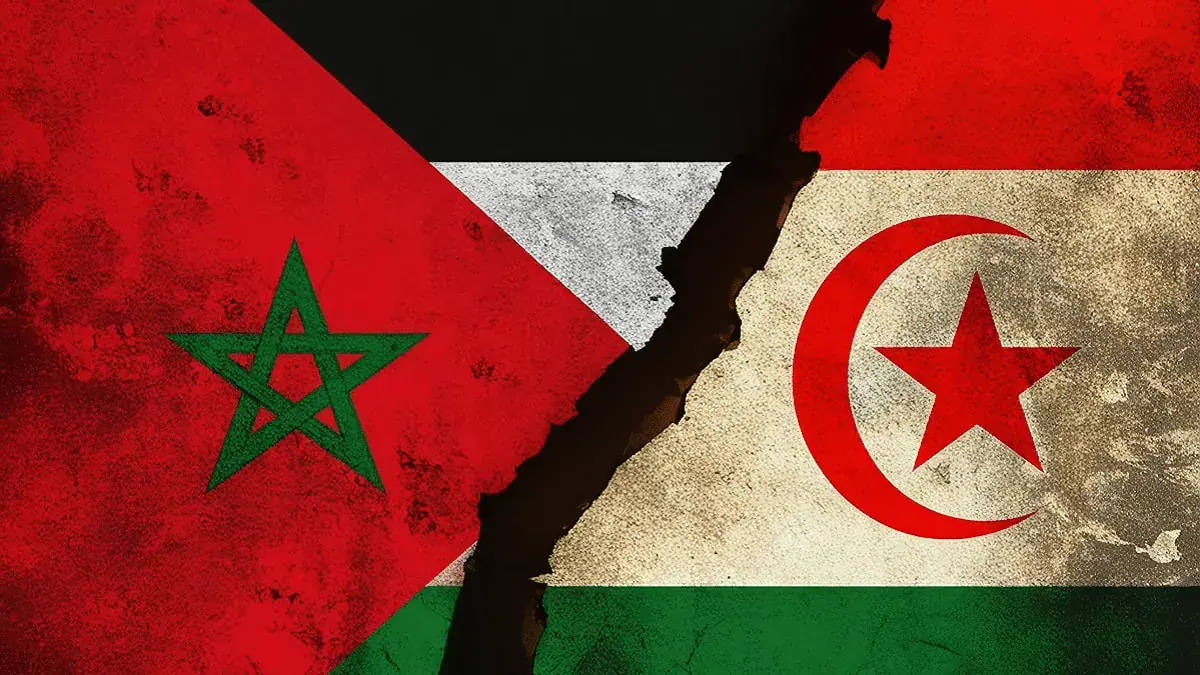
The UN Security Council has rejected a US resolution on Western Sahara, with Russia casting a veto against the measure. The vote, which took place on October 30, 2026, saw 11 members of the Council support the US resolution, while three countries - China, Pakistan, and Somalia - abstained. The veto has been seen as a significant setback for Morocco, which had been seeking international recognition of its sovereignty over the disputed territory.
The US resolution had sought to renew the mandate of the UN's MINURSO mission in Western Sahara, but also aimed to impose a new direction on the stalled peace process. However, the veto by Russia has highlighted the deep divisions within the international community over the issue. Morocco had been hoping that the adoption of the resolution would consolidate its claims to the territory and strengthen its autonomy initiative.
The rejection of the US resolution has been seen as a major diplomatic defeat for Washington, which had been backing Morocco's claims to the territory. The veto by Russia has also underscored the complexities of the Western Sahara conflict, which has been ongoing for decades. The issue remains a contentious one, with the Sahrawi people seeking self-determination and independence.
The abstentions by China, Pakistan, and Somalia have also been seen as significant, as they reflect concerns about the balance of the US resolution. These countries have expressed reservations about the measure, which they saw as unbalanced and favoring Morocco's position. The abstentions highlight the challenges facing the international community in finding a solution to the Western Sahara conflict.
The veto by Russia has also been seen as a reminder of the importance of international law in resolving the conflict. The UN Charter emphasizes the principle of self-determination, which remains at the heart of the Western Sahara issue. The veto has blocked an attempt to impose a new direction on the peace process, which would have had significant implications for the future of the territory.
The outcome of the UN Security Council vote has been welcomed by Algeria, which has long supported the Sahrawi people's right to self-determination. The Algerian government has emphasized the need for a peaceful and negotiated solution to the conflict, based on international law and the principles of the UN Charter.
The Western Sahara conflict remains a major challenge for the international community, with no clear solution in sight. The veto by Russia has highlighted the complexities of the issue and the need for a more nuanced approach. The UN will continue to play a key role in efforts to resolve the conflict, with the MINURSO mission set to continue its work in the territory.
Key points
- Russia vetoes US resolution on Western Sahara at UN Security Council.
- Morocco's sovereignty claims over Western Sahara dealt a blow by veto.
- Conflict remains a contentious issue, with Sahrawi people seeking self-determination.