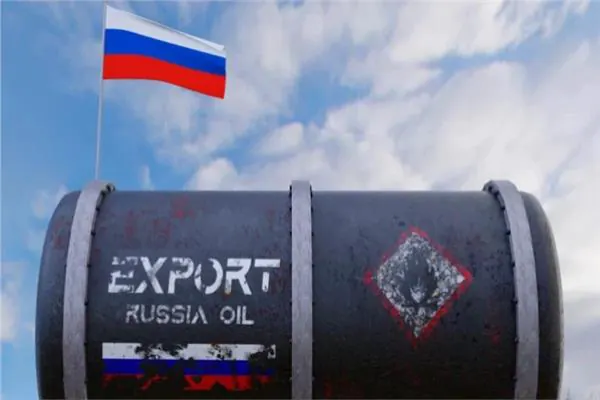
Russia is set to extend its ban on diesel exports beyond the end of September, according to sources familiar with the matter. The decision comes as a result of continued Ukrainian attacks on Russian oil refineries, which have led to a significant decline in oil refining rates. The ban, initially imposed in July, has been extended twice, and a further extension is being considered.
The ban on diesel exports has had a substantial impact on the global market, with Russia previously accounting for around 10% of the world's seaborne diesel supplies. The reduction in diesel exports has contributed to higher prices, exacerbated by disruptions to diesel supplies from the Middle East. The situation has drawn attention from global leaders, with US President Trump previously commenting on the issue.
The ongoing conflict between Russia and Ukraine has resulted in significant damage to energy infrastructure on both sides. Despite claims of an agreement to halt attacks on energy facilities, hostilities have continued, with both sides suffering losses. The conflict has had far-reaching consequences for global energy markets, with diesel supplies being particularly affected.
According to analysts, the conflict in the Middle East has had a more significant impact on diesel supplies than the Russia-Ukraine conflict. However, the combined effect of these disruptions has led to a substantial increase in diesel prices. The situation remains a concern for global energy markets, with many countries relying heavily on diesel imports.
Russia's decision to extend the diesel export ban is likely to have significant implications for the global market. The country's role as a major diesel supplier means that any disruption to its exports can have far-reaching consequences. The extension of the ban is being considered in conjunction with other measures aimed at stabilizing the market.
The impact of the diesel export ban on Russia's economy and global relations remains to be seen. The country's relationships with other nations, including Egypt, are likely to be affected by its energy policies. Egypt, in particular, has been working to strengthen its ties with Russia in various fields, including energy and trade.
The situation is being closely monitored by global leaders, with many countries seeking to mitigate the effects of the diesel export ban. Efforts to stabilize the market and ensure a steady supply of diesel are underway, with international cooperation being seen as key to resolving the issue. The extension of the ban is expected to be formally announced in the coming days.
Key points
- Russia plans to extend its diesel export ban beyond September due to ongoing Ukrainian attacks on its oil refineries.
- The ban has had a significant impact on the global diesel market, with Russia previously accounting for around 10% of the world's seaborne diesel supplies.
- The conflict between Russia and Ukraine has resulted in significant damage to energy infrastructure on both sides, contributing to higher diesel prices.