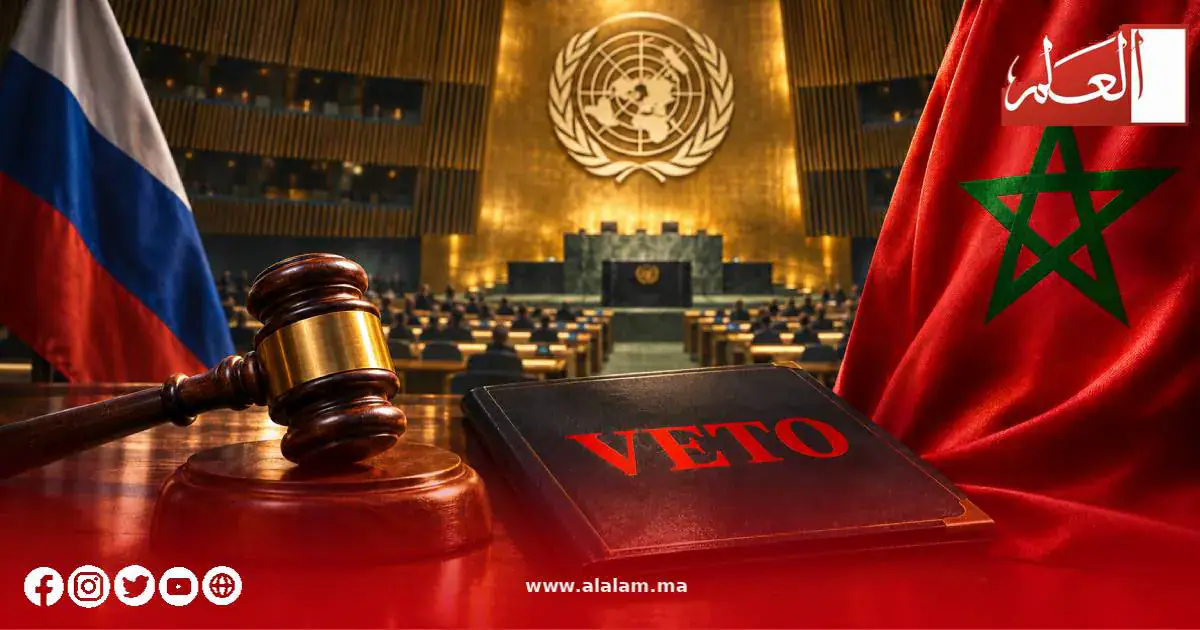
The UN General Assembly is set to discuss the use of veto power by permanent members of the Security Council, following Russia's veto on a US-backed resolution on Western Sahara. The resolution, which aimed to make Morocco's autonomy proposal the basis for negotiations, was supported by 11 out of 15 members of the Security Council, but was vetoed by Russia. The veto has sparked a debate on the use of veto power and its impact on the ability of the UN to take decisions.
The veto has also raised questions about the future of the MINURSO mission, which has been in place since 1991 to monitor a ceasefire and prepare for a referendum that never took place. The mission's mandate ended on October 31, 2026, and the UN has announced that it will begin winding down the mission. However, the UN has also stated that it will continue to support political efforts to resolve the conflict, led by the personal envoy of the Secretary-General, Staffan de Mistura.
Russia's veto has been criticized by some as an attempt to protect its own interests and those of its allies. The US and other countries had argued that the resolution was necessary to move forward with a political solution to the conflict. Russia, on the other hand, has argued that the resolution would have imposed a predetermined solution on the parties and undermined the sovereignty of Western Sahara.
The debate on the use of veto power is not new, but it has taken on a new urgency in the context of the Western Sahara conflict. The veto power has been used by permanent members of the Security Council to block decisions on various issues, often for reasons of national interest. However, the use of veto power has also been criticized for undermining the legitimacy and effectiveness of the UN.
The Western Sahara conflict has been a longstanding issue, with Morocco and the Polisario Front having competing claims to the territory. The conflict has resulted in a humanitarian crisis, with thousands of people displaced and many more affected. The UN has been involved in efforts to resolve the conflict for decades, but so far, no solution has been found.
The use of veto power by Russia has also raised questions about the role of the Security Council in maintaining international peace and security. The Security Council has the primary responsibility for maintaining international peace and security, but its effectiveness has been undermined by the use of veto power by its permanent members.
The debate on the use of veto power is likely to continue, with many countries calling for reforms to the Security Council to make it more representative and effective. The use of veto power has also sparked a wider debate on the future of the UN and its role in maintaining international peace and security.
Key points
- The UN General Assembly is set to discuss the use of veto power by permanent members of the Security Council, following Russia's veto on a US-backed resolution on Western Sahara.
- The veto has raised questions about the future of the MINURSO mission and the role of the Security Council in maintaining international peace and security.
- The debate on the use of veto power has sparked a wider debate on the future of the UN and its role in maintaining international peace and security.