The Russian government has strongly denounced the European Union's sanctions against journalist Xenia Fedorova, labelling it a "persecution" against a representative of the media. According to the Kremlin, the sanctions, which include asset freezing and travel bans within the EU, are "illegal". The EU imposed these sanctions on Fedorova, accusing her of promoting Russian propaganda regarding the war in Ukraine.
Fedorova, the former head of Russia Today France, has been a vocal supporter of the Russian government. The EU claims that she has been instrumental in disseminating pro-Russian discourse. In July, French authorities issued an expulsion order and froze her assets. The Russian diplomatic corps had previously denounced what they termed as "political persecution of journalists based on fallacious accusations".
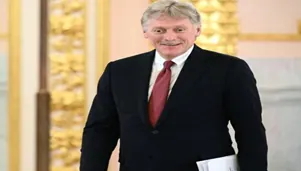
Kremlin spokesperson Dmitri Peskov expressed concerns about the pressure being exerted on the media. Peskov emphasized that the sanctions were an attempt to stifle free speech and exert undue influence on the media landscape. The Russian government views these actions as an infringement on the rights of journalists and an attack on press freedom.
Xenia Fedorova, aged 45, has been a prominent figure in Russian journalism. Her role at Russia Today France has been a subject of controversy, with many accusing her of spreading propaganda. The EU's decision to sanction her has sparked a heated debate about press freedom and the role of journalists in conflict zones.
The conflict in Ukraine has led to a significant escalation of tensions between Russia and the West. The imposition of sanctions has become a common tool for both sides to exert pressure on each other. The Russian government has consistently denied accusations of waging an aggressive war in Ukraine, instead characterizing its actions as a special military operation.
The international community has been closely watching the developments in Ukraine. The Organization for Security and Co-operation in Europe (OSCE) has been actively involved in monitoring the situation and promoting dialogue between the parties. The EU's sanctions against Fedorova are seen as part of a broader strategy to counter Russian influence in the region.
The Russian government's reaction to the EU's sanctions against Fedorova underscores the deepening rift between Russia and the West. The Kremlin's strong condemnation of the sanctions suggests that the situation is likely to deteriorate further. The international community remains concerned about the implications of this conflict for global peace and stability.
Key points
- The EU has imposed sanctions on journalist Xenia Fedorova for promoting Russian propaganda regarding the war in Ukraine.
- The Russian government views these sanctions as an attack on press freedom and an attempt to stifle free speech.
- The conflict in Ukraine has led to a significant escalation of tensions between Russia and the West, with both sides exerting pressure on each other through sanctions and diplomatic means.