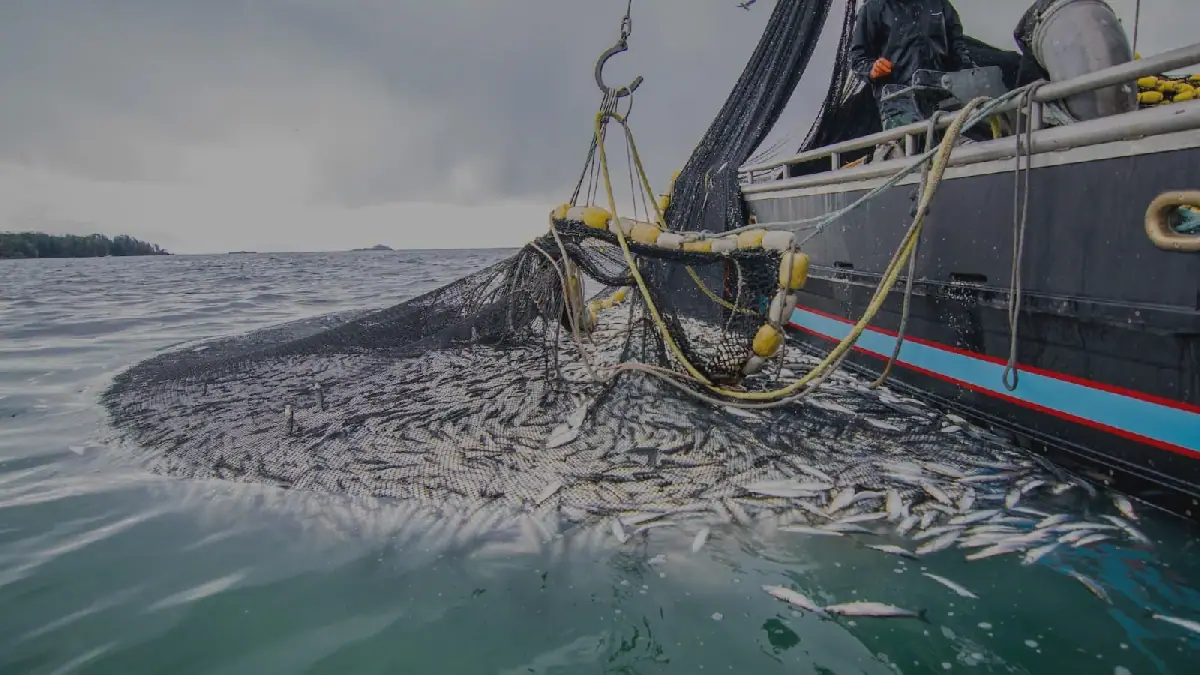
The Russian Federal Agency for Fisheries has announced plans to increase its fish catch in Moroccan waters to 100,000 tons per year. This is a significant increase from the 54,000 tons allocated for the first year of the new bilateral fishing agreement between Russia and Morocco. The agreement, signed on October 17, 2025, allows Russian fishing vessels to catch four small pelagic species: mackerel, chub mackerel, sardine, and anchovy.
The quota for the first year was established by decree number 133 on March 23, 2026. Any future increases in the quota will be determined by the Russian-Moroccan joint commission, which is responsible for monitoring the agreement. The commission met for the first time in February and will set the volumes for subsequent years. The Russian agency has presented this target as a prospect, conditional on the state of the resource.
The joint commission's decisions will be based on the results of an ongoing scientific research campaign. The research vessel Atlantida began its operations on October 26, after obtaining authorization in Casablanca, and will conduct 145 trawling operations and take samples from around 80 points over a period of 45 days. The vessel has a crew of 40 Russians, including 12 scientists, and two Moroccan researchers.
This research campaign is part of a larger African expedition conducted by the Russian agency, which also targets Mauritania, where a different regime applies, with no quotas but commercial contracts. The potential doubling of Russian catches raises questions about the compatibility with the state of small pelagic stocks, which are crucial for Morocco's canning industry and domestic market supply of sardine.
The sardine is one of the products covered by the price monitoring system provided for in the draft finance bill. No official Moroccan statement has been reported, and the date of the next meeting of the joint commission has not been communicated. The Russian agency's plans have sparked concerns about the potential impact on Morocco's fishing industry and the sustainability of the fish stocks.
The new agreement and the research campaign are seen as a significant development in the fishing cooperation between Russia and Morocco. The two countries have been working together to strengthen their cooperation in the fisheries sector, with a focus on sustainable fishing practices and conservation of marine resources. The outcome of the research campaign and the joint commission's decisions will be crucial in determining the future of the fishing agreement.
The Russian-Moroccan fishing agreement is an important part of the countries' broader cooperation in the field of fisheries. The agreement allows Russian fishing vessels to operate in Moroccan waters, providing a significant source of revenue for the Russian fishing industry. At the same time, the agreement also provides an opportunity for Morocco to benefit from the expertise and technology of Russian fishing companies.
Key points
- Russia aims to increase its fish catch in Moroccan waters to 100,000 tons per year, up from 54,000 tons.