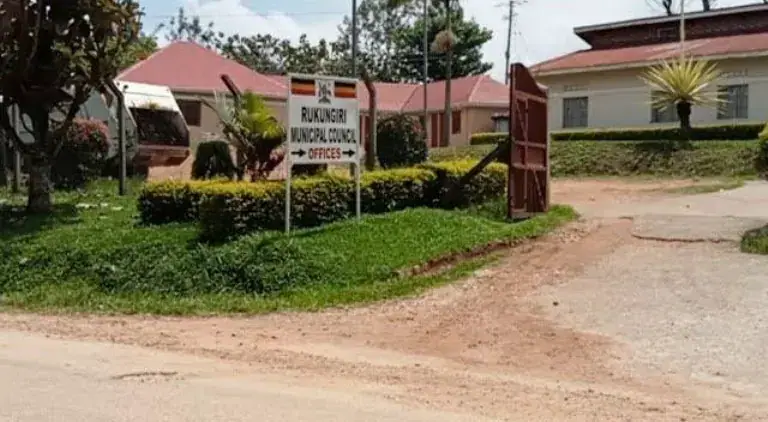
Rukungiri Municipal Council is projecting a budget of about Shs 15.8 billion for the 2027/2028 financial year. This represents a decrease from the current financial year's budget of approximately Shs 17.8 billion. The projected budget comprises about Shs 14.4 billion in central government transfers and Shs 1.4 billion in locally raised revenue.
The budget projections were presented by Senior Planner Justin Mwijukye, who represented Principal Finance Officer Judith Kyomugisha at the municipal budget conference in Rukungiri. According to Mwijukye, the projections are based on the first budget call circular issued by the Ministry of Finance, Planning and Economic Development on September 15, 2026.
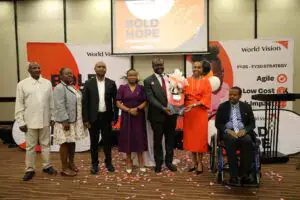
The municipal budget conference was held in line with the Public Finance and Management Act. The conference aimed to gather stakeholders' views and agree on priorities for the municipality's annual work plan and budget. It also provided an opportunity for stakeholders to identify challenges that need to be addressed to support Rukungiri's future development.
Municipal Town Clerk Isaiah Tumwesigye emphasized the council's focus on improving local revenue collection and reducing its reliance on central government funding. He described central government funding as unpredictable. Tumwesigye urged municipal departments to assess and collect revenue properly through the Integrated Revenue Administration System (IRAS) to prevent shortfalls.
Tumwesigye also called on departments to include cross-cutting priorities in the 2027/2028 budget. These priorities include gender equality, support for women, children, people with disabilities, and older persons, as well as HIV and malaria prevention, environmental protection, climate adaptation, and proper waste management.
Mayor Boaz Kansiime Matiita opened the conference by describing it as an important stage in the planning process. He emphasized the need for stakeholders to share investment priorities, pool resources, and receive guidance on government policies. The municipality will prioritize roads, health, and education, human capital development, production, and value addition.
The ultimate goal of the municipality's priorities is to improve household incomes and food security. Kansiime urged stakeholders to work together, protect the environment, and fight corruption as they implement the government's socio-economic transformation agenda.
Key points
- The budget projections are based on the first budget call circular issued by the Ministry of Finance, Planning and Economic Development.
- The municipality will prioritize roads, health, and education, human capital development, production, and value addition.
- The council aims to improve local revenue collection and reduce its reliance on central government funding.
Reporting sources
- Rukungiri Municipality projects Shs 15.8 billion budget for 2027/28 · Radio Rukungiri