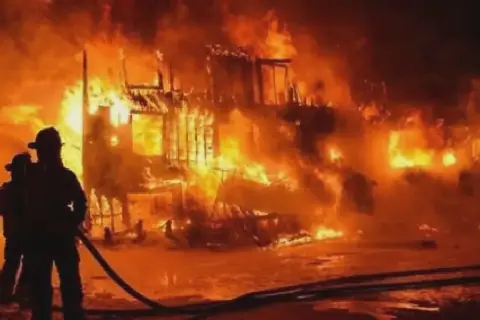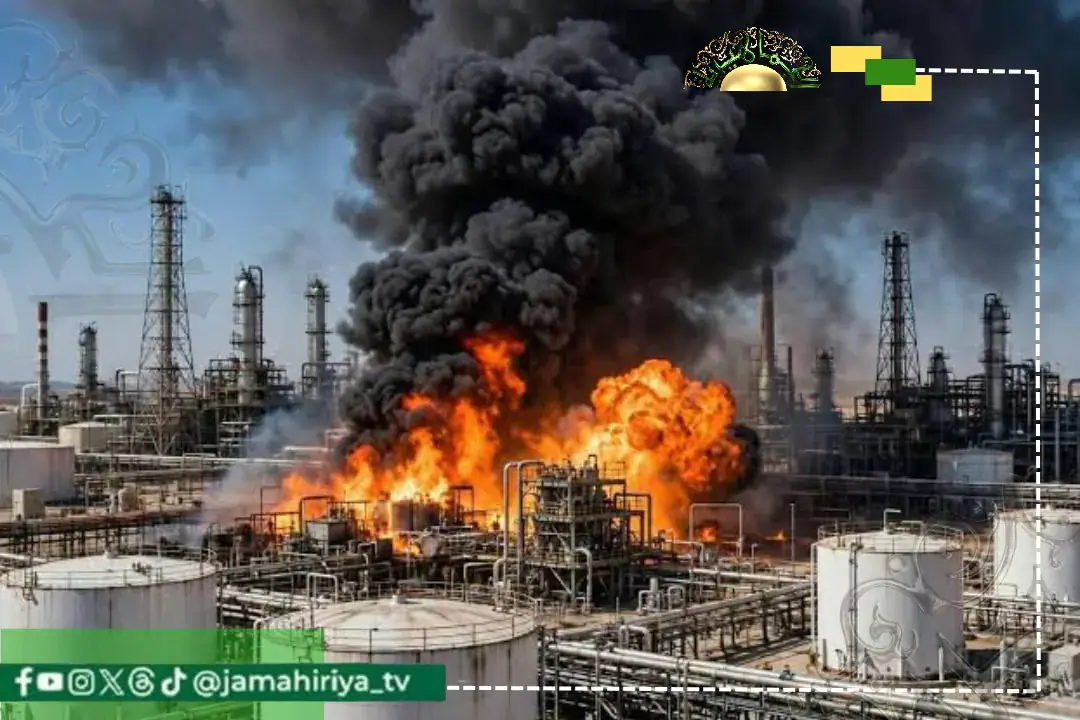
An explosion at a gas plant in Brega, Libya, has resulted in the death of one worker and injured four others. The incident occurred on November 13, 2026, at a gas plant operated by the Sirte Oil and Gas Production and Manufacturing Company. According to the National Oil Corporation, the blast was caused by a leak in a fuel gas line feeding steam boilers at the plant. The corporation has taken control of the fire and secured the site, shutting down gas lines and halting operations as a precaution.
The explosion has brought attention to the aging oil infrastructure in Libya, with concerns about the risk of similar industrial accidents due to outdated facilities and delayed maintenance. The National Oil Corporation's chairman, Masoud Suleiman, warned that the plant's 55-year-old gas facility poses significant risks if maintenance and funding are not adequately addressed. Suleiman emphasized that delayed inspections and maintenance of safety systems, valves, and alarms could lead to reduced efficiency and increased risks to workers and facilities.
The Brega gas plant is not an isolated case, as Libya's oil infrastructure faces broader challenges. The 220,000-barrel-per-day Ra's Lanuf refinery, which has the largest design capacity in the country, is struggling to restore full operations. The Zawiya refinery is also experiencing operational difficulties, with some units shut down. These issues reflect a larger crisis related to a lack of investment, accumulated financial obligations to suppliers and service companies, and delayed funding for maintenance and modernization programs.
In response to the explosion, the House of Representatives' Energy and Natural Resources Committee has called for an urgent technical investigation into the incident. The committee also requested a review of safety and maintenance procedures, as well as accountability for parties found responsible for any negligence. This incident highlights the need for a comprehensive assessment of Libya's aging oil facilities and securing necessary funding for preventive maintenance and protection system upgrades.
The National Oil Corporation has assured that the gas supply to the local market and crude oil production have not been affected by the incident. An investigation into the cause of the explosion is ongoing, with a focus on technical aspects and circumstances surrounding the incident. The corporation's efforts aim to prevent similar accidents and ensure the stability of Libya's oil sector.
Libya's oil infrastructure has been facing significant challenges due to years of underinvestment and lack of maintenance. The country's oil facilities require substantial upgrades and modernization to ensure safe and efficient operations. The National Oil Corporation and relevant authorities must address these issues to prevent future incidents and maintain the stability of the oil sector.
The incident in Brega serves as a reminder of the importance of prioritizing maintenance and safety in Libya's oil infrastructure. The government and relevant institutions must take concrete steps to address the challenges facing the sector, including securing funding for maintenance and modernization programs. Effective measures will help prevent accidents, protect workers, and ensure the long-term sustainability of Libya's oil industry.
Key points
- The explosion at the Brega gas plant highlights the risks of aging oil infrastructure and inadequate maintenance funding in Libya.