A group of rock-cut tombs of different architectural styles has been discovered at the Tell el-Yahudiya archaeological site in Qalyubia Governorate, Egypt. The site, located in the Eastern Delta, has yielded further remains of a Roman camp in the upper layers, providing new insights into burial practices in the region. According to the Ministry of Tourism and Antiquities, the rock-cut tombs are relatively rare due to the region's predominantly clay soil.
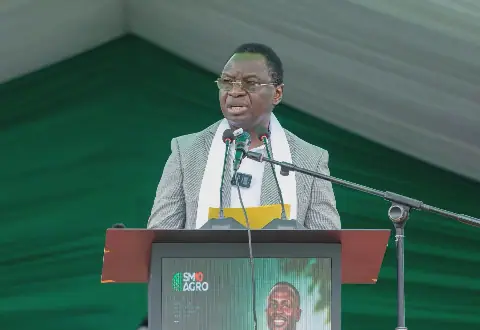
The discovery represents an important addition to the history of Tell el-Yahudiya, highlighting the architectural diversity of the tombs and the rarity of this type of burial structure in the Delta. Hisham El-Leithy, Secretary-General of the Supreme Council of Antiquities, stated that archaeological evidence and finds uncovered during the excavations indicate that the tombs date to the late New Kingdom and remained in use through the Late Period.
The tombs fall into two principal architectural types, according to Ayman Ashmawy, Adviser to the Secretary-General of the Supreme Council of Antiquities. The first features an entrance staircase leading to a hall containing burial niches, while the second consists of a rectangular shaft leading to two burial chambers. These architectural forms are particularly distinctive in Qalyubia and the Eastern Delta due to the region's clay-rich soil.
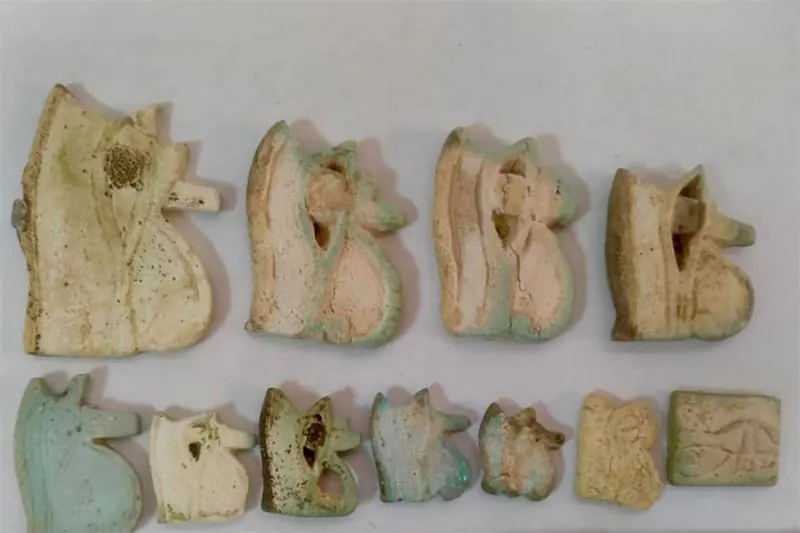
The excavation yielded a number of movable archaeological artifacts associated with the tombs, which contributed to dating the tombs and identifying the periods during which they were used. Anwar Abdel Samad, Director General of the Qalyubia Archaeological Area and Head of the Egyptian archaeological mission, explained that the mission has also continued excavations aimed at revealing further remains of the Roman camp located in the upper layers of the archaeological site.
Tell el-Yahudiya is particularly significant for its association with the Hyksos period, when the area was home to a large camp dating to that era. The site continued to be used during subsequent periods, including the Greek and Roman periods, with the newly uncovered tombs and Roman camp remains providing further evidence of its long and complex history.
The discovery of the Roman camp remains in the upper layers above the tombs provides further evidence of the area's continued occupation and use during different periods, highlighting the strategic importance of Tell el-Yahudiya throughout its history. The site has yielded various archaeological finds, shedding light on the lives of people who lived and buried their dead there.
The Supreme Council of Antiquities has continued to excavate the site, uncovering new evidence of the area's rich history. The discovery of the rock-cut tombs and Roman camp remains has provided a unique glimpse into the burial practices and daily life of the people who lived in the Eastern Delta during different periods.
Key points
- The rock-cut tombs at Tell el-Yahudiya are rare due to the region's clay-rich soil.
- The tombs date back to the late New Kingdom and remained in use through the Late Period.
- The discovery highlights the strategic importance of Tell el-Yahudiya throughout its history.