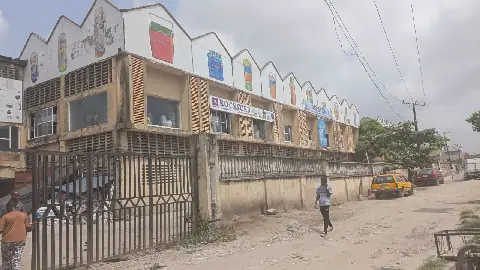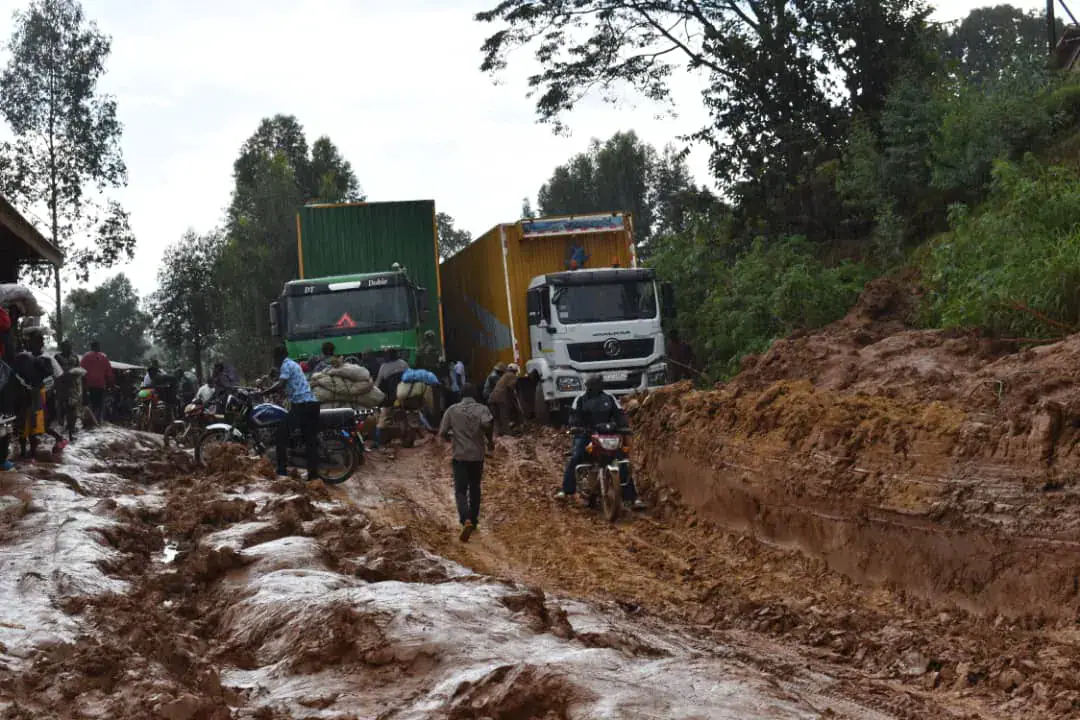
The Democratic Republic of Congo's Ituri province is facing significant transportation disruptions due to road degradation, exacerbated by recent heavy rainfall. Two major roads, Iga-Barrière-Nizi in Djugu territory and Bunia-Kasenyi in Irumu territory, have been severely impacted. The condition of these roads is not only affecting the transportation of essential goods but also hindering response efforts against the Ebola outbreak.
On the Iga-Barrière-Nizi road, a large truck became stuck on a temporary bridge over the Nizi River on Monday morning, completely blocking the passage of vehicles. Dozens of vehicles, including those carrying Ebola response teams and essential supplies, are stranded on both sides of the bridge. This incident has further complicated the response to the Ebola epidemic in the area.
The situation is equally concerning in the southern part of Irumu territory. Following heavy rainfall on Sunday, the Kisege River overflowed its banks, washing away the Kisege 1 bridge at the entrance to Kasenyi. According to Kataloho Takumara, the head of the Bahema-Sud sector, heavy machinery from Mont Gabaon was deployed on Monday morning to clear the road and restore traffic.
The primary goal of the road clearance efforts is to facilitate the passage of vehicles carrying essential goods from Uganda. However, Takumara emphasizes that a more durable solution is needed to address the recurrent flooding of the Kisege River, which regularly inundates the road. He advocates for the construction of a larger, more robust bridge.
Maintaining passable roads is crucial for the Ebola response. It ensures access to healthcare facilities, the delivery of medical equipment, and the mobility of teams engaged in the fight against the epidemic. The current situation highlights the challenges faced by response teams in reaching affected areas and providing necessary care.
The impact of road degradation on public health and response efforts is significant. With many areas inaccessible, there is a heightened risk of the Ebola outbreak spreading further. Efforts to repair and maintain roads are essential to preventing this and ensuring that response teams can operate effectively.
The situation in Ituri underscores the importance of infrastructure resilience in the face of natural disasters and public health crises. Addressing the root causes of road degradation and investing in durable infrastructure solutions will be vital in supporting both immediate response efforts and long-term development in the region.
Key points
- Road degradation in Ituri, DRC, is severely hindering Ebola response efforts by disrupting the transportation of essential goods and response teams.
- The situation is being exacerbated by recurrent flooding, highlighting the need for durable infrastructure solutions.
- Maintaining passable roads is crucial for ensuring access to healthcare facilities and the delivery of medical equipment.