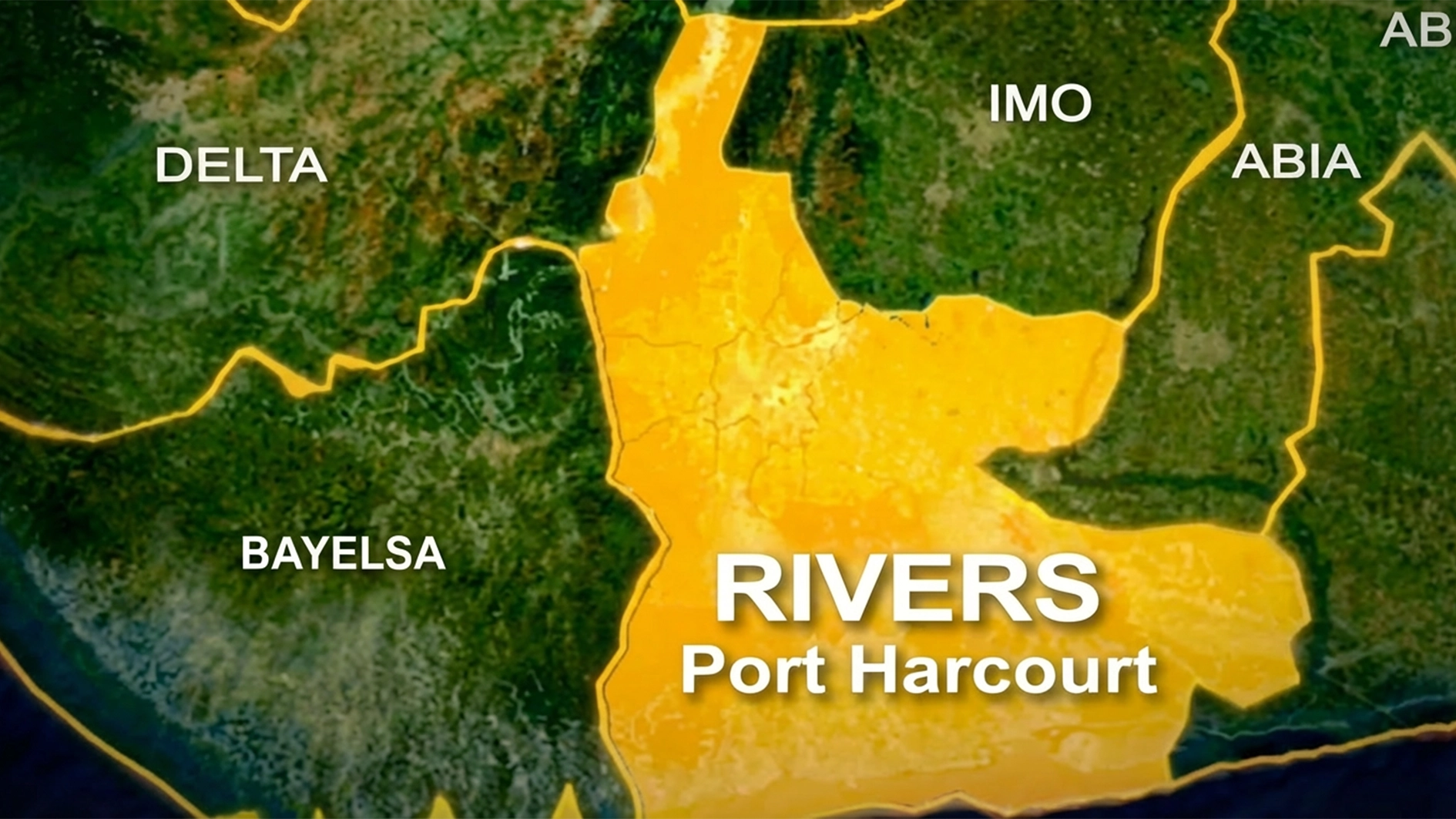
Stakeholders in Rivers State, Nigeria, have attributed the recurring crises over presidential campaign structures within the country's political parties to the absence of clear ideological foundations. They argue that most political parties in Nigeria are formed largely around the pursuit and sharing of political power, rather than shared ideological convictions. This makes internal cohesion difficult during elections.
Omenazu Jackson, Chancellor of the International Society for Social Justice and Human Rights, stated that the lack of ideological orientation among political parties remains a major challenge to Nigeria's democratic development. He said most political parties are not ideologically fused, with members coming together largely around power-sharing rather than ideological development.
According to Jackson, the absence of a common ideological direction often makes it difficult for party members to reach consensus on critical issues, including the composition of campaign councils. He argued that where parties are united by a common ideology and clearly defined objectives, identifying members for campaign structures would be less contentious.
Jackson called for political parties to be structured around clearly defined ideologies rather than political expediency, saying this would strengthen internal cohesion and democratic development. He also attributed the ease with which politicians defect from one party to another to the absence of strong ideological bonds within parties.
Franklin Chikwendu, a lawyer, shared similar views, arguing that parties should be built around clear ideological positions and principles capable of providing direction for their members. He said stronger ideological foundations would help reduce internal disagreements and provide a coherent basis for political participation and governance.
The stakeholders' comments come as Nigeria prepares for upcoming elections, with controversy surrounding the formation of presidential campaign councils. Jackson noted that if party members shared the same ideology, focus, and direction, the formation of campaign councils would be less contentious.
The call for stronger ideological foundations in Nigeria's political parties highlights a broader challenge facing the country's democratic development. With most parties formed around power-sharing rather than ideology, internal cohesion and democratic growth remain significant concerns.
Key points
- Stakeholders say Nigeria's political parties lack clear ideological foundations.
- The absence of ideology leads to recurring crises over campaign structures.
- Stronger ideological foundations could strengthen internal cohesion and democratic development.